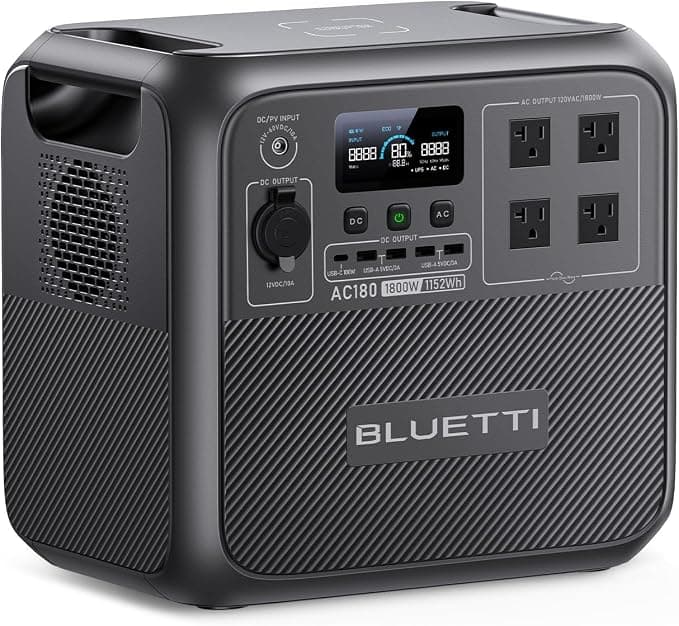
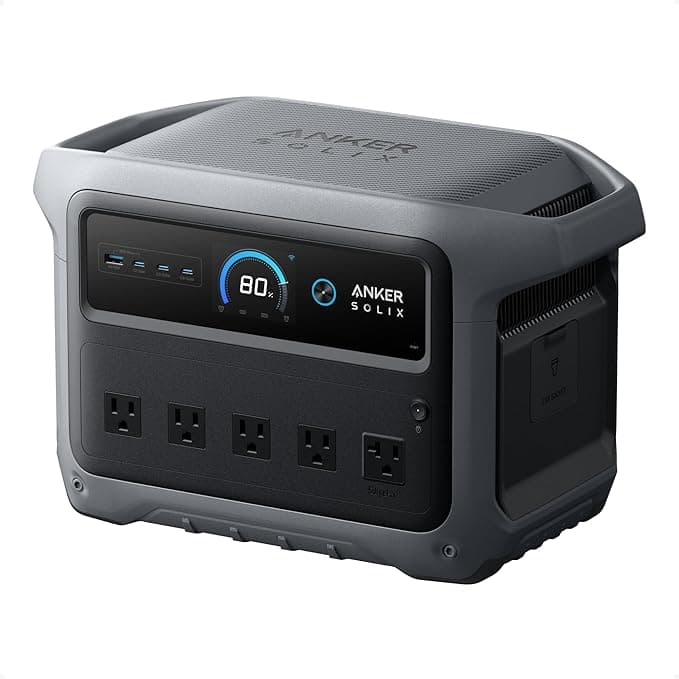
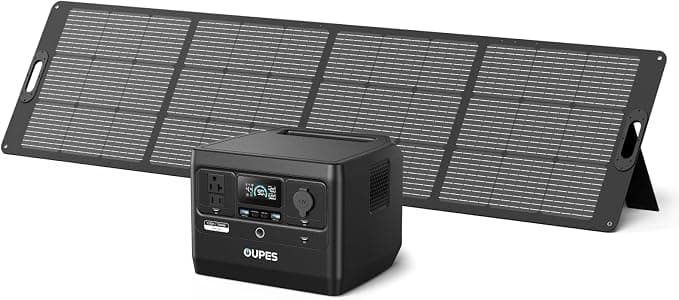
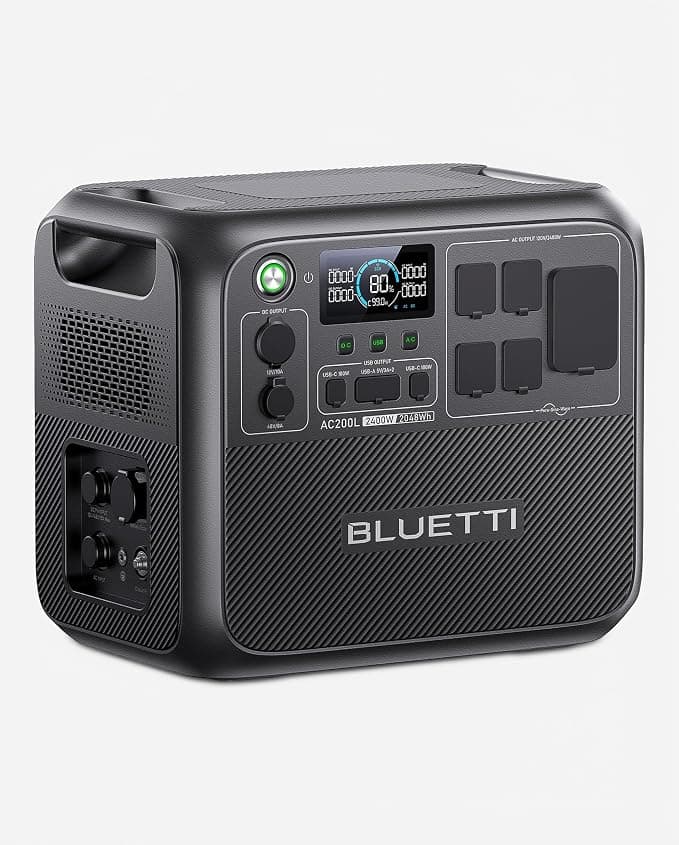
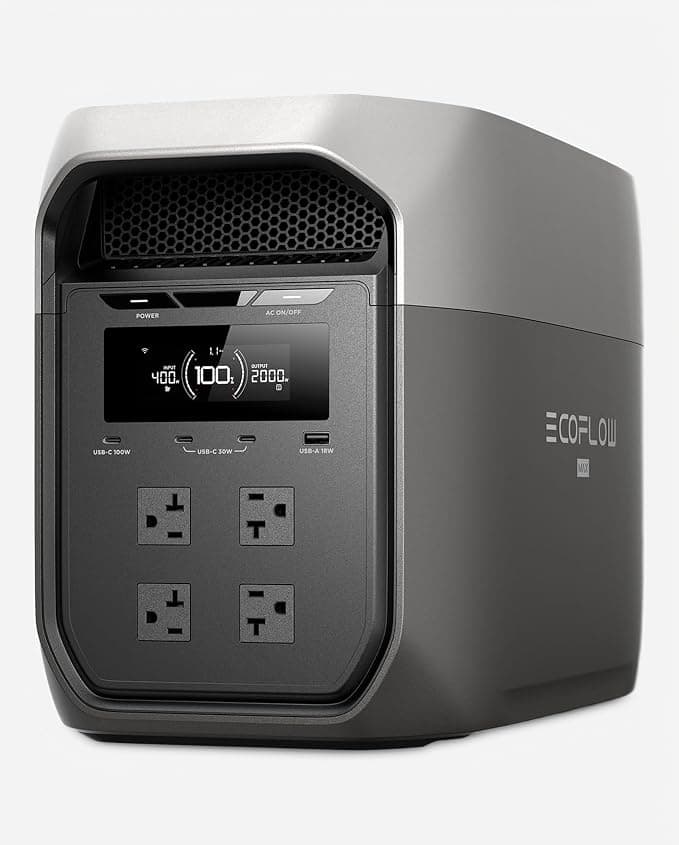
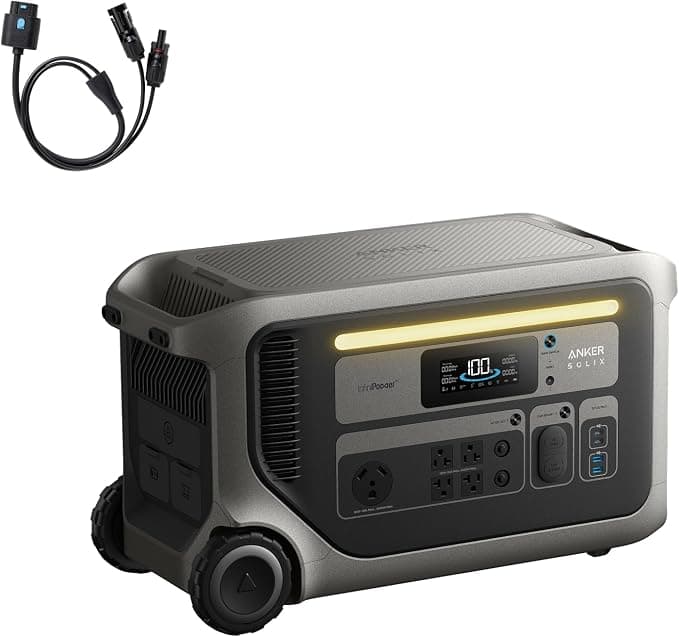
The power goes out, or you're three days into a camping trip, or you just watched your neighbor run their whole kitchen off a box the size of a lunch cooler during last winter's outage — and suddenly a portable power station stops being a novelty and starts being a checklist item. The category has matured fast: what used to mean a glorified jump-starter now spans genuine home-backup units that can carry a refrigerator through a multi-day outage.
The number that matters most is usable capacity, measured in watt-hours (Wh). It tells you how long a battery will actually run something, not just how powerful it is in a burst. A phone charge needs almost nothing; a mini-fridge running overnight needs several hundred watt-hours; a full backup setup for a home office or medical equipment needs into four figures. Pair that with continuous AC output — the wattage it can sustain, not the surge spike it lists on the box — because a heating element or compressor will trip a unit that's rated too low, no matter how much energy is stored inside it.
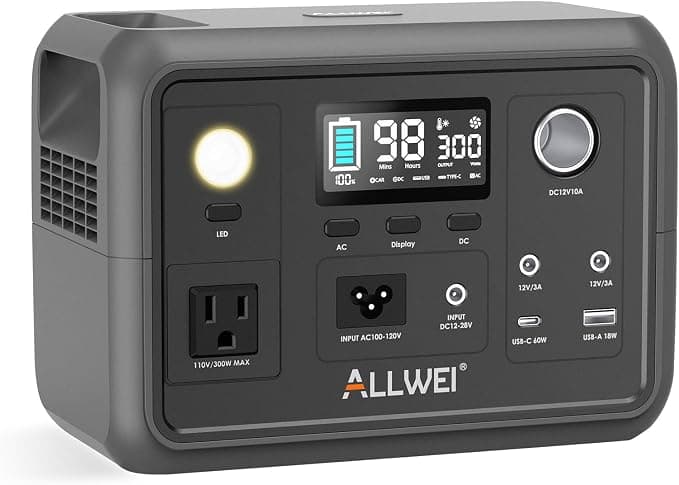
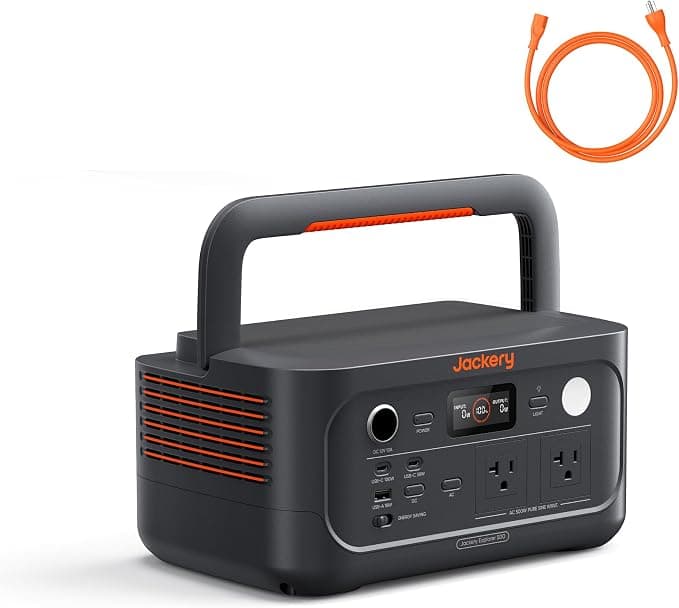
Battery chemistry is the second thing worth understanding before you buy. Nearly every serious option today uses LiFePO4 (lithium iron phosphate) instead of older NMC cells, because it survives thousands more charge cycles and degrades far more slowly. Models like the Jackery Explorer 500 v2 and the ALLWEI Portable Power Station both lean on this chemistry to justify multi-year warranties, and it's the reason you'll see cycle-life numbers in the thousands rather than the hundreds across this entire lineup.
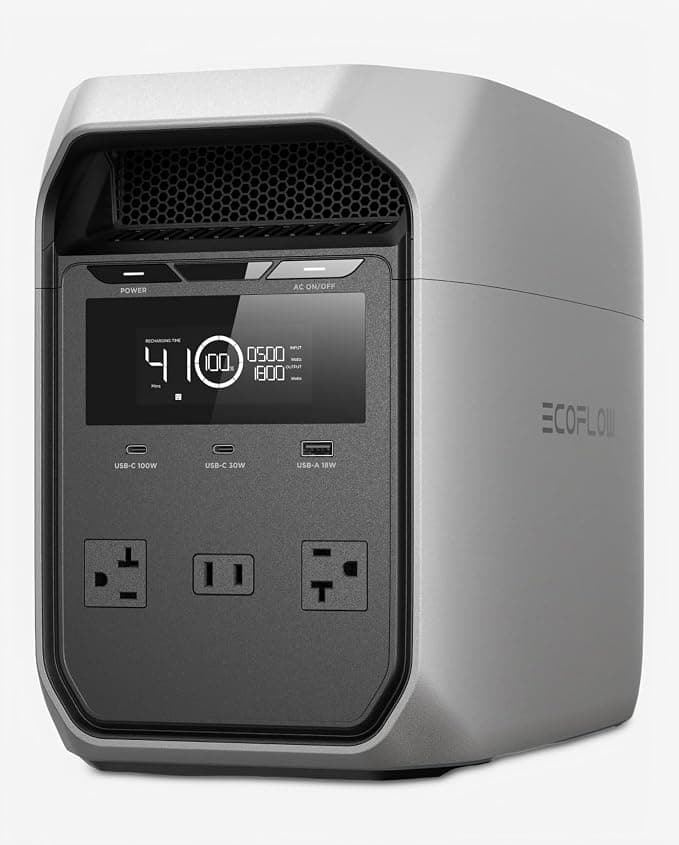
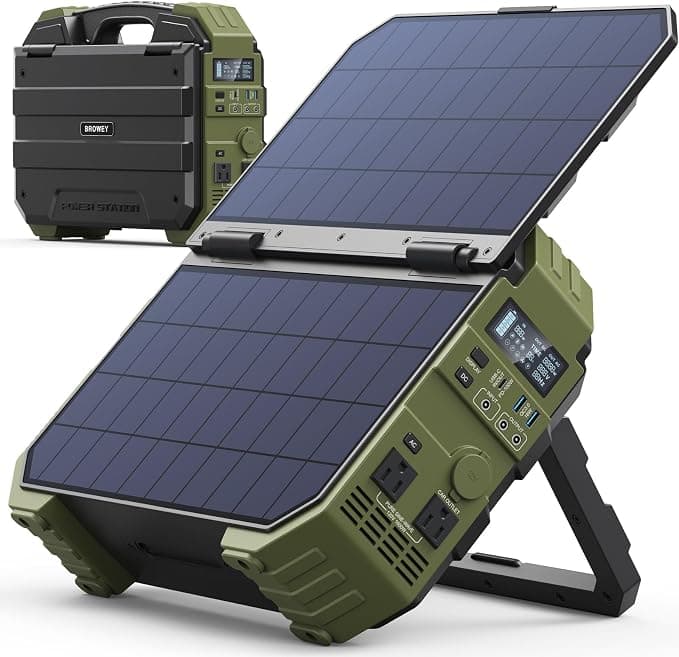
Recharge speed and port selection round out the practical side of the decision. Fast-charging tech — EcoFlow's X-Stream, Anker's HyperFlash, Bluetti's Power Lifting — can take a battery from empty to mostly full in under an hour on AC power, which matters enormously if you're topping off between uses rather than charging overnight. Solar input specs are worth checking too if off-grid use is part of the plan; some units, like the BROWEY 1600W, even build the solar panel into the unit itself. On the output side, look past the outlet count to whether you get pure sine wave AC (needed for sensitive electronics), a UPS switchover fast enough to protect a CPAP machine or desktop PC, and enough USB-C PD wattage to fast-charge a laptop.
Where buyers get tripped up is treating capacity and output as the same spec, or assuming a bigger battery always wins. A lightweight, lower-capacity unit like the Jackery Explorer 500 v2 genuinely outperforms a bulkier competitor if your real use case is charging a laptop and a phone at a campsite — carrying an extra 15 pounds you never need is its own kind of cost. On the other end, if home backup for a refrigerator or medical device is the goal, undersizing on output is the mistake that actually leaves you in the dark.
We scored every unit here on a weighted composite of customer ratings, review volume, price-to-capacity value, and how feature-rich the spec sheet is relative to the rest of the field. Budget-friendly options score well when they deliver real capability without excess; premium units earn their place by covering scenarios smaller batteries simply can't. Below, we break down all eleven, starting with the pick that balanced portability, price, and capability best across the board.