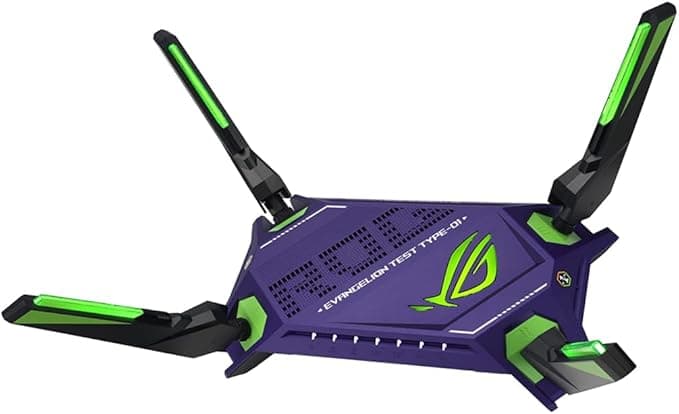
Best Wireless Routers 2026: Speed Meets Smart Coverage
Your current router is probably letting you down. Whether it's dead zones in the bedroom, buffering during video calls, or that infuriating moment when your smart doorbell goes offline right when someone's at the door, a quality wireless router makes the difference between a connected home and a frustrated household.
Choosing the right router in 2026 isn't just about speed anymore—though that matters plenty. Here's what actually determines whether you'll love or loathe your purchase.
WiFi Standards: The Foundation of Performance
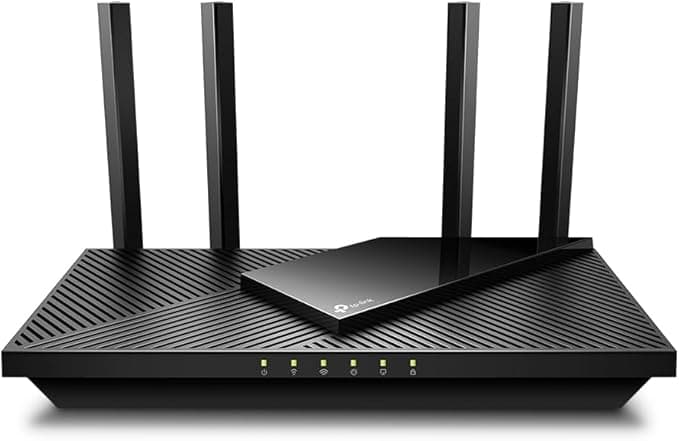
WiFi 6 has become the sweet spot for most homes, offering significant improvements over older standards without the premium pricing of WiFi 7. Models like the TP-Link AX1800 WiFi 6 Router (Archer AX21 V5) deliver solid WiFi 6 performance at budget-friendly pricing. WiFi 6E adds the 6GHz band for less congested connections, while WiFi 7 represents the cutting edge—though you'll pay premium pricing for routers like the Amazon eero 7 dual-band mesh Wi-Fi 7 router.
Coverage: Size Your Network Right
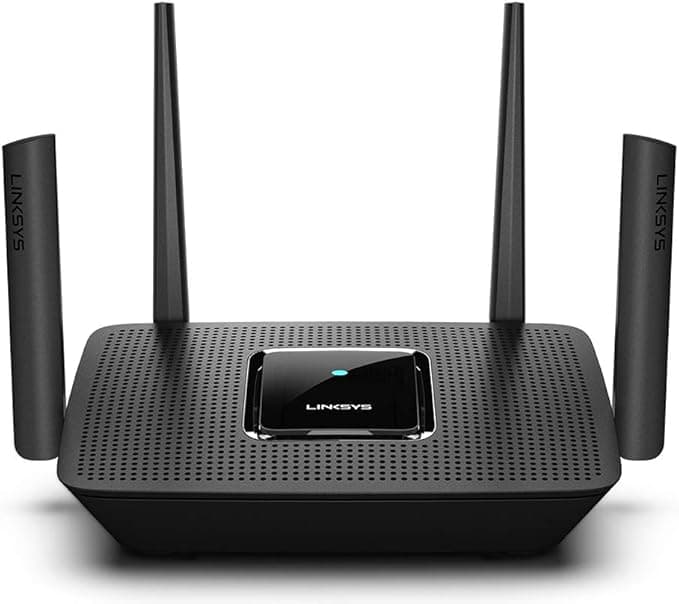
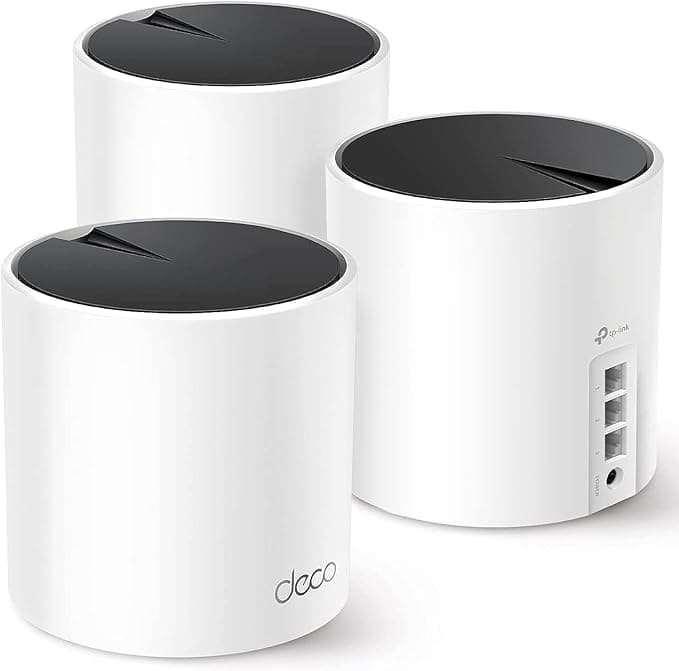
Nothing's more frustrating than buying a router that can't reach your entire home. Single routers typically cover 1,500-3,000 square feet effectively. The Linksys Mesh Wifi 5 Router (MR9000) handles up to 3,000 square feet with strong tri-band performance. For larger homes, mesh systems like the TP-Link Deco X55 AX3000 WiFi 6 Mesh System expand coverage to 6,500 square feet by using multiple units that work together seamlessly.
Port Configuration: Future-Proof Your Setup
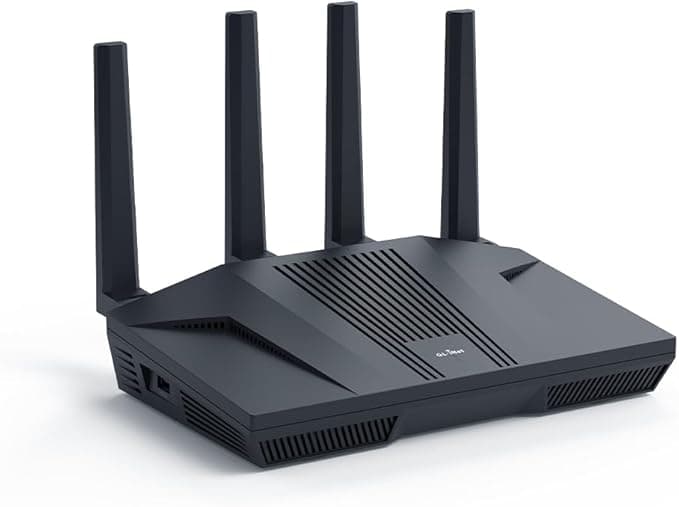
Gigabit Ethernet ports are standard, but multi-gig ports (2.5G or higher) future-proof your investment for faster internet plans and high-bandwidth devices. Gaming-focused models like the GL.iNet GL-MT6000 (Flint 2) include dual 2.5G ports specifically for this purpose. Don't overlook USB ports either—they enable network storage and printer sharing.
Device Capacity: Count Your Connections
Modern homes connect 20-50 devices simultaneously. Budget routers handle basic loads, but if you're running smart home devices, streaming services, and work-from-home setups, you need robust processing power. Tri-band routers distribute device load across multiple frequency bands, preventing network congestion.
Security and Management Features
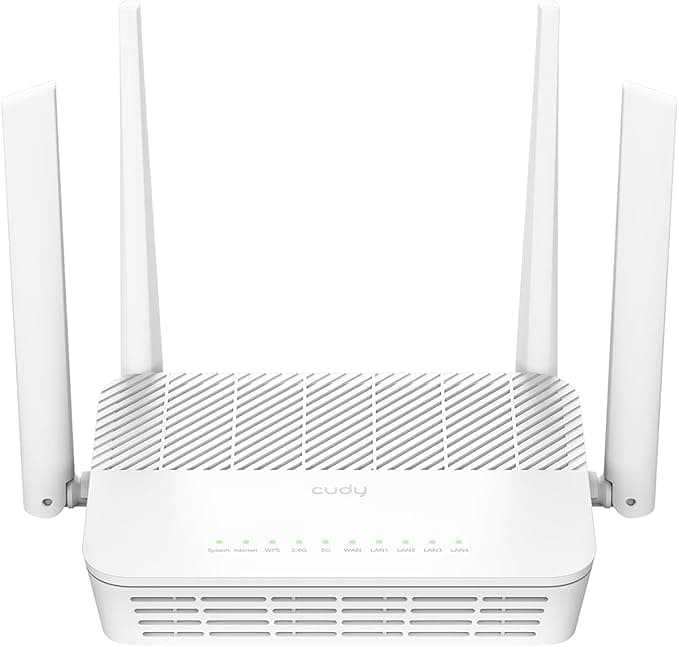
WPA3 encryption is non-negotiable in 2026, and automatic firmware updates keep your network secure without manual intervention. Look for robust parental controls if you have kids, and VPN support for privacy-conscious users. The Cudy WR3000S AX3000 stands out by supporting multiple VPN protocols including OpenVPN and Wireguard.
Common Buying Mistakes
Don't assume more antennas mean better performance—internal antenna design matters more than count. Also, resist the urge to buy the fastest router if your internet plan can't utilize that speed. A gigabit router is overkill for a 100Mbps internet plan.
Our rankings use a weighted composite score evaluating performance ratings, value proposition, user review volume, feature completeness, and product recency. This methodology ensures you're seeing routers that deliver real-world satisfaction, not just impressive spec sheets.
Below, you'll find our top wireless router picks for 2026, ranked by overall value and performance across different use cases and budgets.