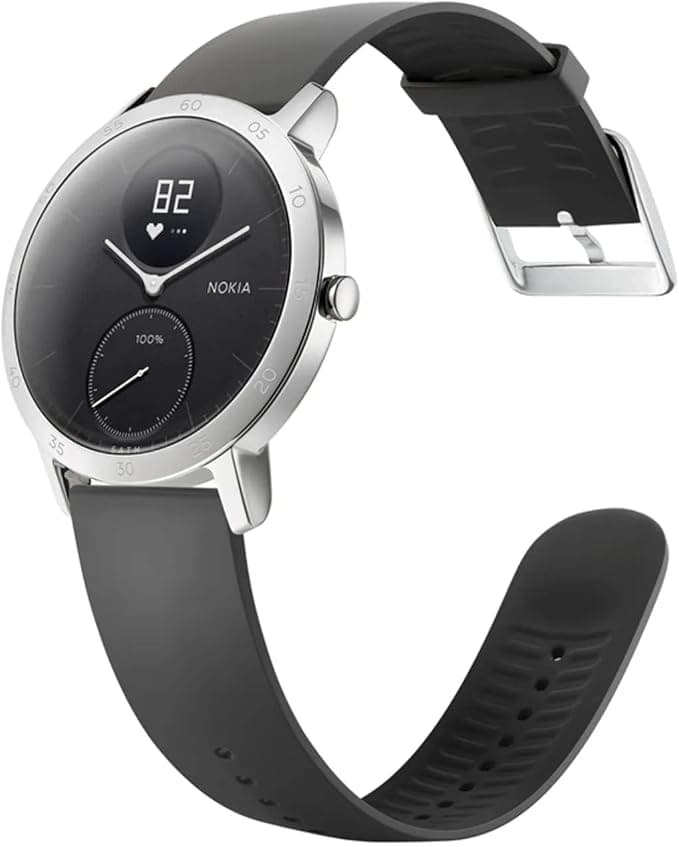
Whether you're tired of pulling out your phone every five minutes or want to track your fitness without carrying a brick-sized device, a smartwatch might be the perfect solution. The 2026 smartwatch market offers everything from ultra-budget fitness trackers to premium wrist computers, but choosing the right one depends on understanding what matters most for your lifestyle.
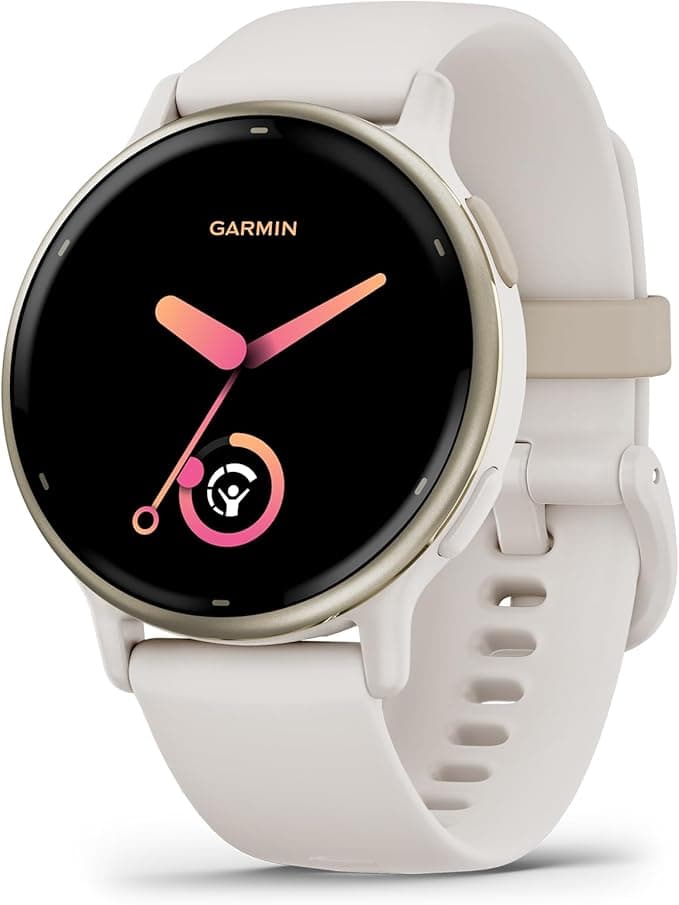
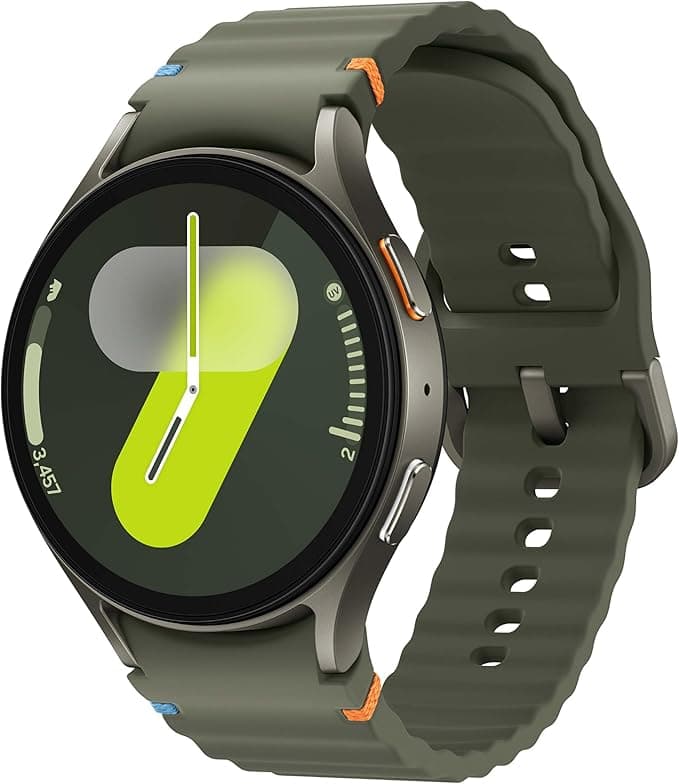
Operating System Compatibility is your first and most crucial decision. If you own an iPhone, the Apple Watch SE 3 and Apple Watch Series 11 are your only options for deep integration — no exceptions. Android users get more flexibility with Wear OS watches like the Samsung Galaxy Watch 7, while cross-platform options like the Garmin vívoactive 5 and Fitbit Versa 4 work with both ecosystems. Don't assume "smartwatch" means it'll work with your phone — check compatibility first.
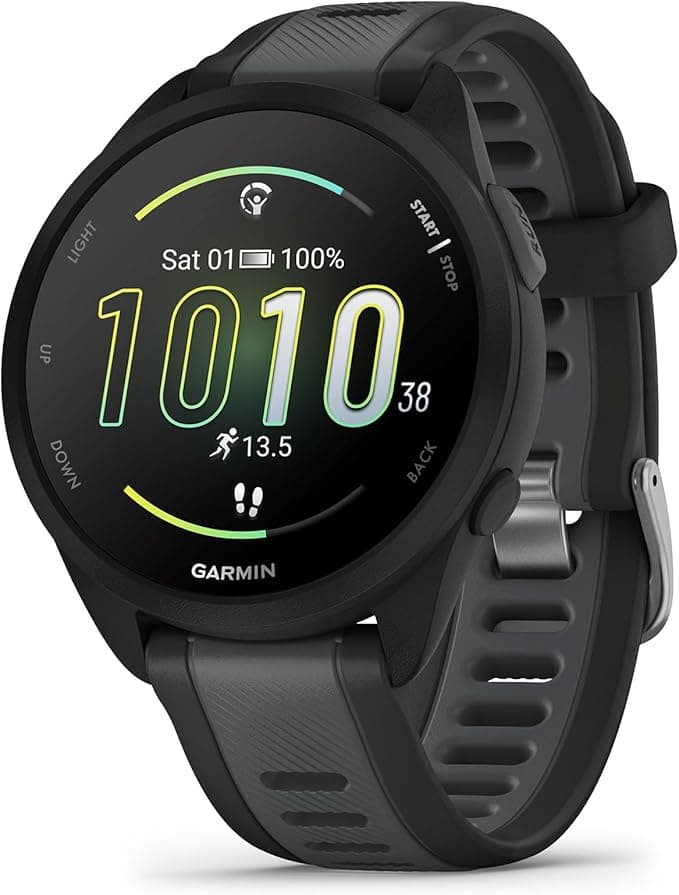
Battery Life varies wildly depending on your priorities. Traditional smartwatches with full app ecosystems typically last 1-2 days, requiring nightly charging like your phone. Fitness-focused models like the Garmin Forerunner 165 stretch to 11 days, while ultra-efficient options like the Amazfit Bip 6 can hit two weeks. If you're constantly traveling or forget to charge devices, prioritize battery life over fancy features.
Health Sensors have become surprisingly sophisticated, but not all watches offer the same capabilities. Heart rate monitoring is standard across all price points, but advanced features like ECG, blood oxygen monitoring, and sleep apnea detection vary significantly. The latest models excel at continuous health tracking, though accuracy can vary between wrist-based sensors and chest straps for serious athletes.
GPS Accuracy matters more than most buyers realize, especially if you run, cycle, or hike regularly. Built-in GPS lets you leave your phone at home while still tracking routes and distance. Some budget models rely on your phone's GPS, which defeats the purpose of device independence. Look for models with multi-band GPS if you frequently exercise in areas with poor satellite visibility.
App Ecosystem and Customization separate basic fitness trackers from true smartwatches. Apple Watch and Samsung Galaxy Watch offer thousands of third-party apps, while fitness-focused brands like Garmin provide excellent sport-specific features but limited general apps. Consider whether you want a phone replacement on your wrist or a dedicated health device.
Many buyers make the mistake of prioritizing flashy features over fundamentals. A watch with terrible battery life or poor phone compatibility will frustrate you daily, regardless of how many sensors it packs. Others underestimate the importance of band comfort — you'll wear this device 16+ hours per day, so make sure it fits properly.
We evaluated each smartwatch using a weighted composite score that factors in user ratings, feature completeness, value proposition, and review volume from verified purchasers. This methodology helps identify watches that deliver real-world satisfaction rather than just impressive spec sheets.
From ultra-affordable fitness trackers to premium smartwatches with cellular connectivity, here are the top smartwatches that earned strong marks across all categories in 2026:

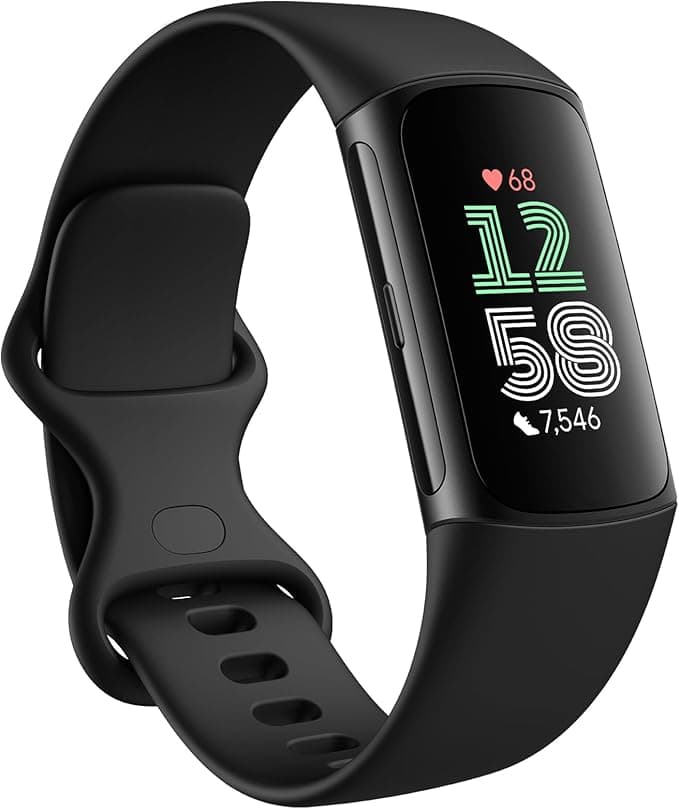

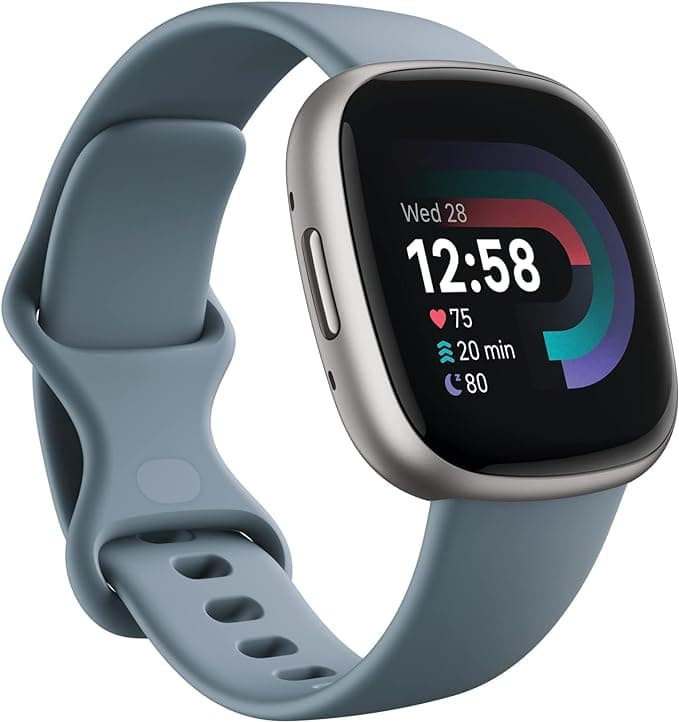
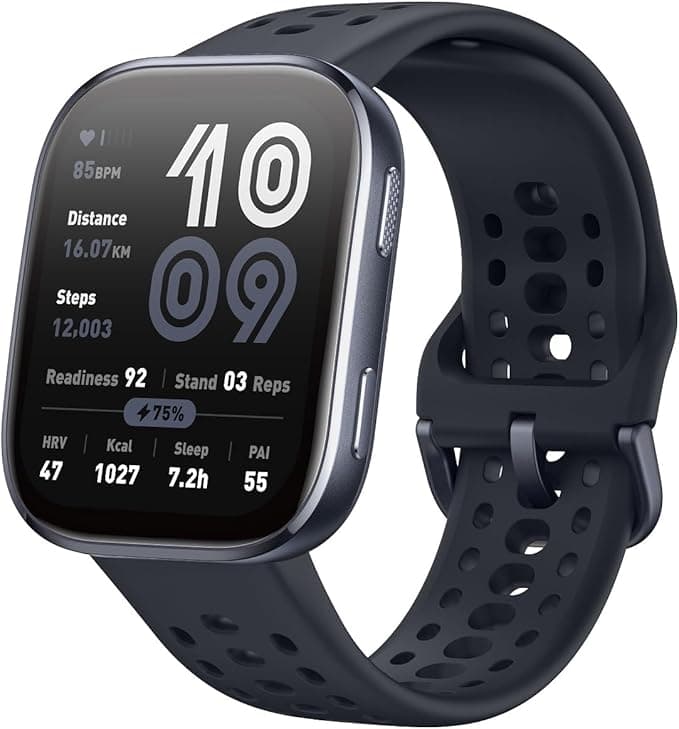


![Apple Watch SE 3 [GPS 40mm] - Always-On Display, Sleep Apnea Notifications, 18-Hour Battery](/_next/image?url=https%3A%2F%2Fm.media-amazon.com%2Fimages%2FI%2F61xkvg-RStL._AC_SX679_.jpg&w=3840&q=75)

![Apple Watch Series 11 [GPS 42mm] - Hypertension Notifications, Sleep Score, Always-On Display](/_next/image?url=https%3A%2F%2Fm.media-amazon.com%2Fimages%2FI%2F6110Jv9wqeL._AC_SX679_.jpg&w=3840&q=75)