Smart doorbells went from "interesting gadget" to "minimum table stakes for home security" in about five years. The decision used to be Ring or nothing — now there are six legitimate brands, each with a distinct philosophy about how cloud subscriptions, AI features, and your video data should work. The trick is matching the device to your actual paranoia level, because the wrong choice means either paying $80/year forever or staring at a feature-limited device.
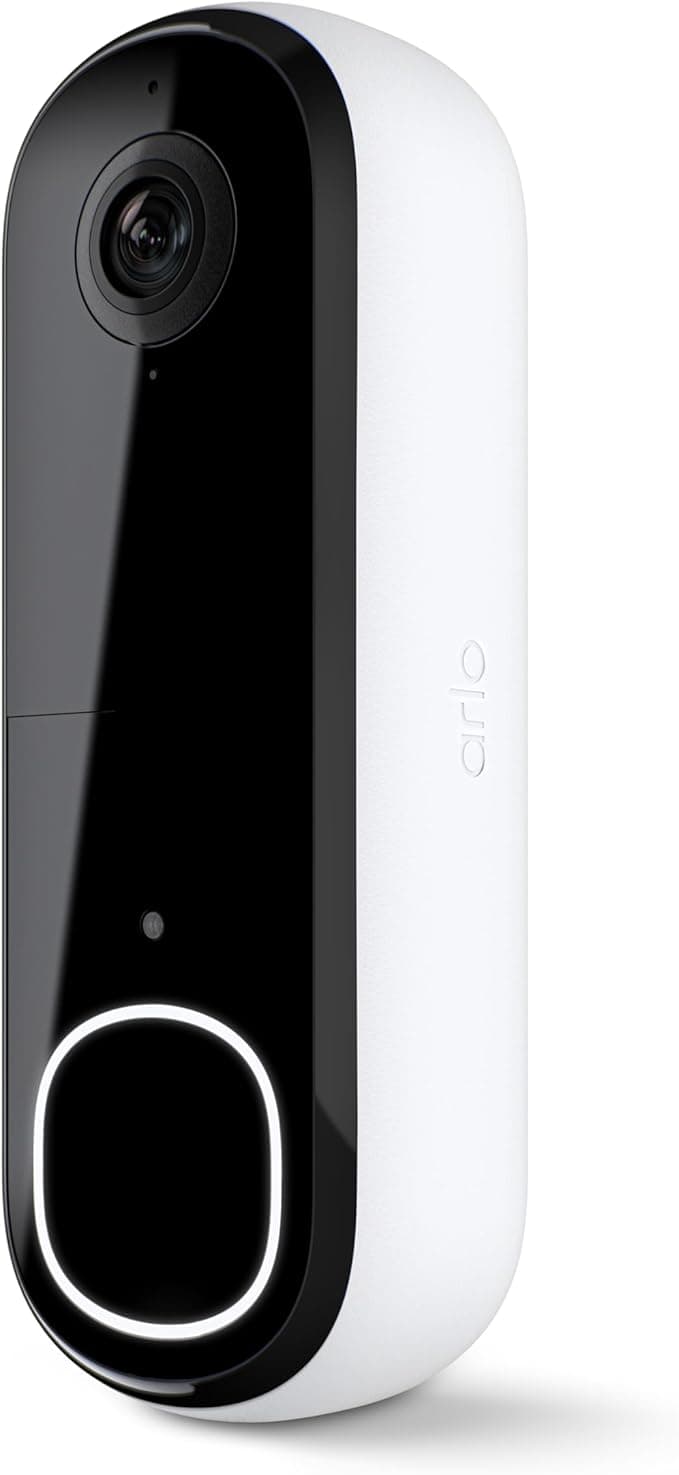
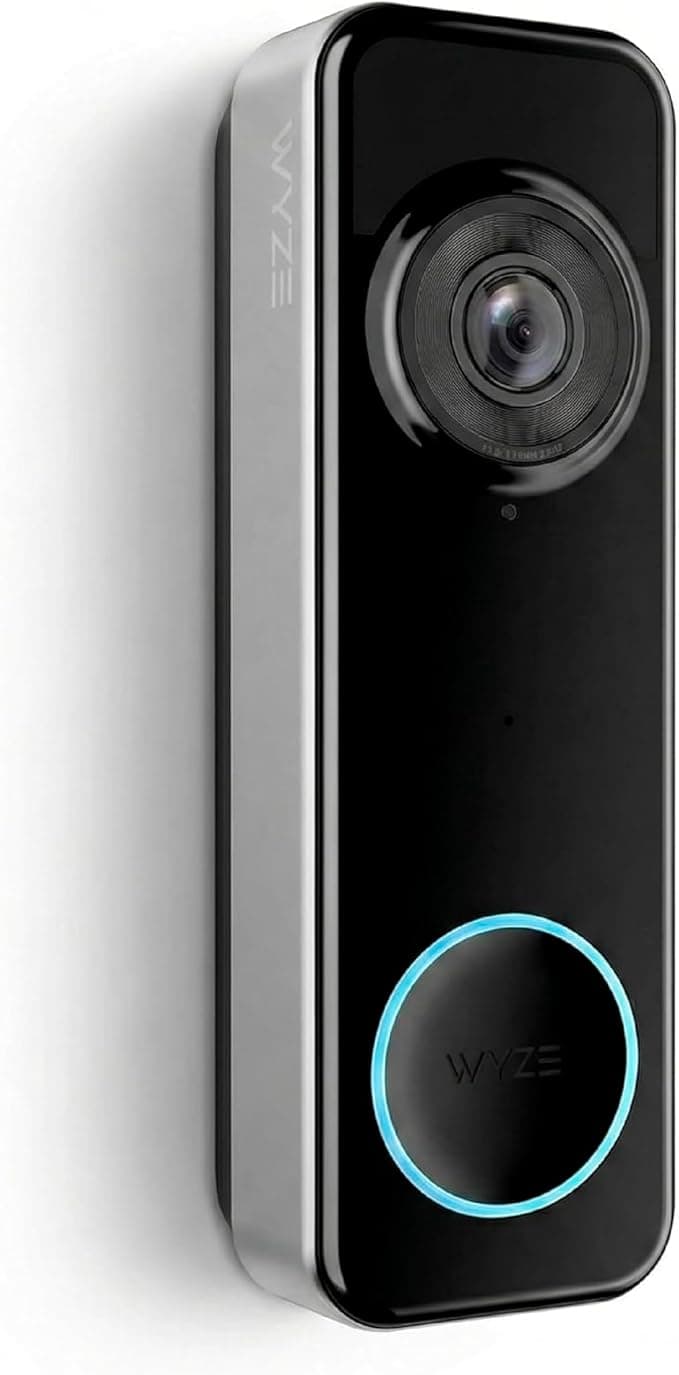
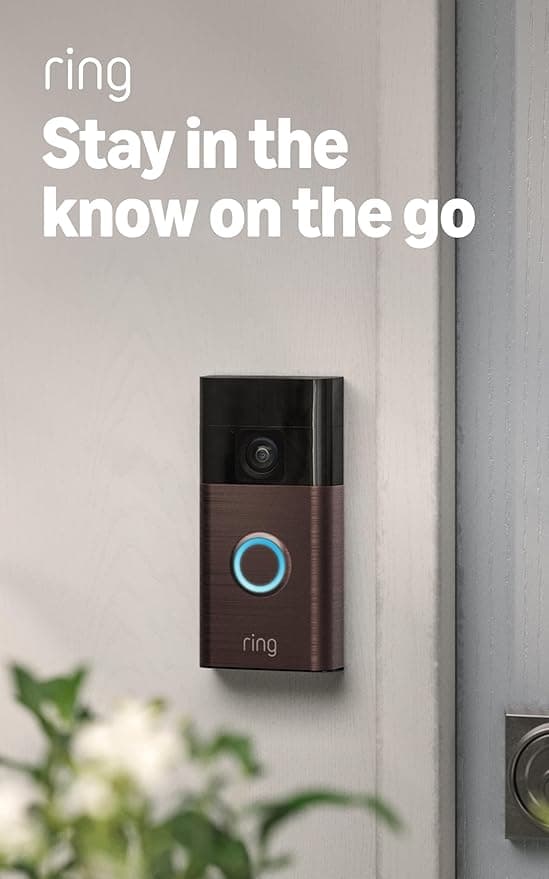
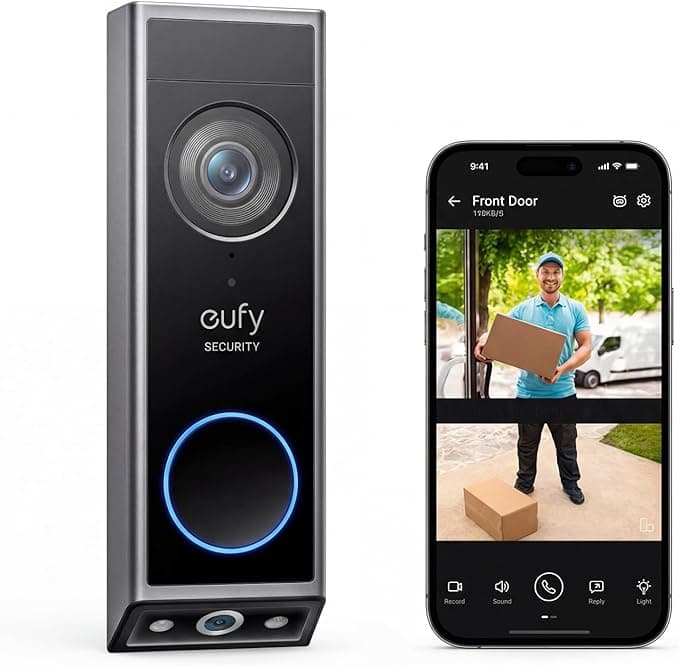
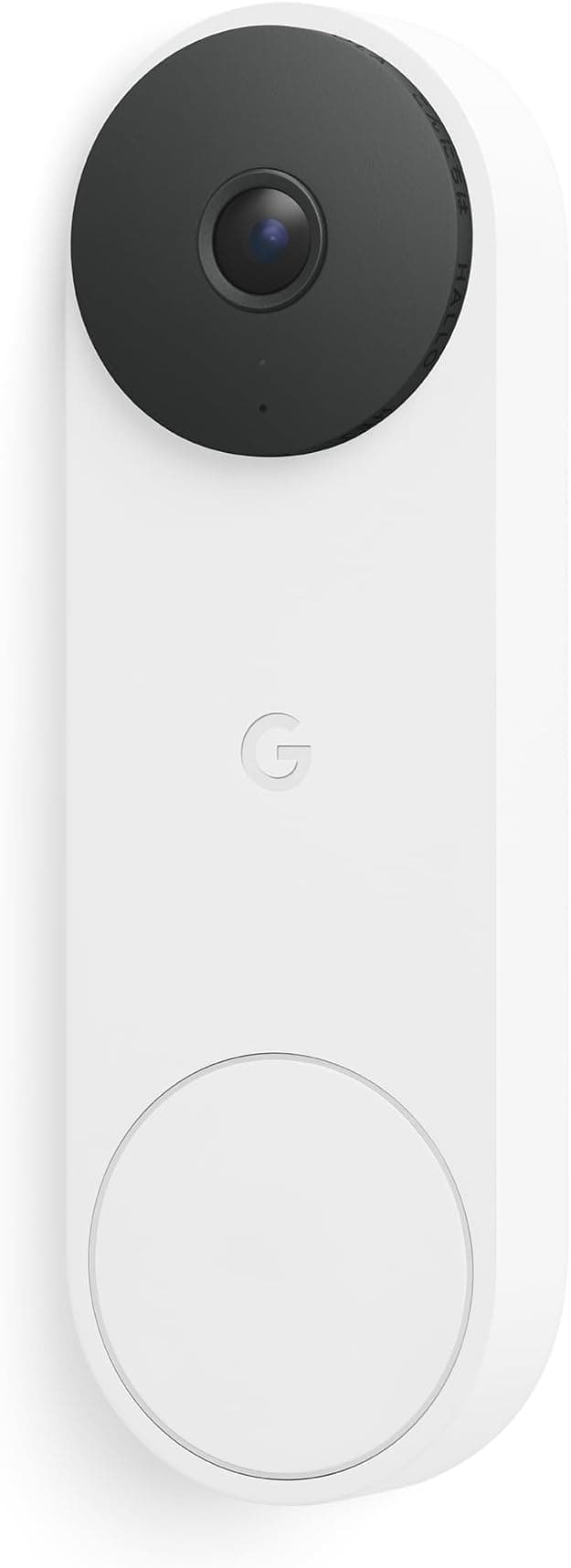
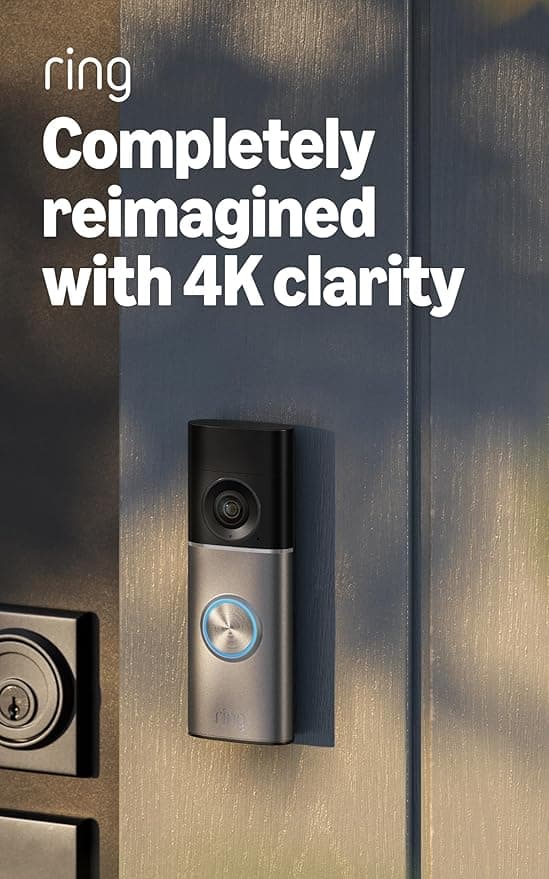
Subscription requirements are the single most important spec, and the one most buyers ignore until month two. The Ring Battery Doorbell and Ring Wired Doorbell Pro lock smart alerts, video history, package detection, and AI features behind a Ring Protect subscription. The Google Nest Doorbell does the same with Google Home Premium, and the latest Gemini AI features specifically require the higher Advanced tier. The Arlo Video Doorbell includes a 1-month Secure trial, then charges. The Eufy E340 and Wyze Battery Video Doorbell are the genuine no-subscription picks — local storage on-device or microSD card, no monthly fee ever. If you''re going to use one device for ten years, the subscription delta easily eclipses the upfront price difference.
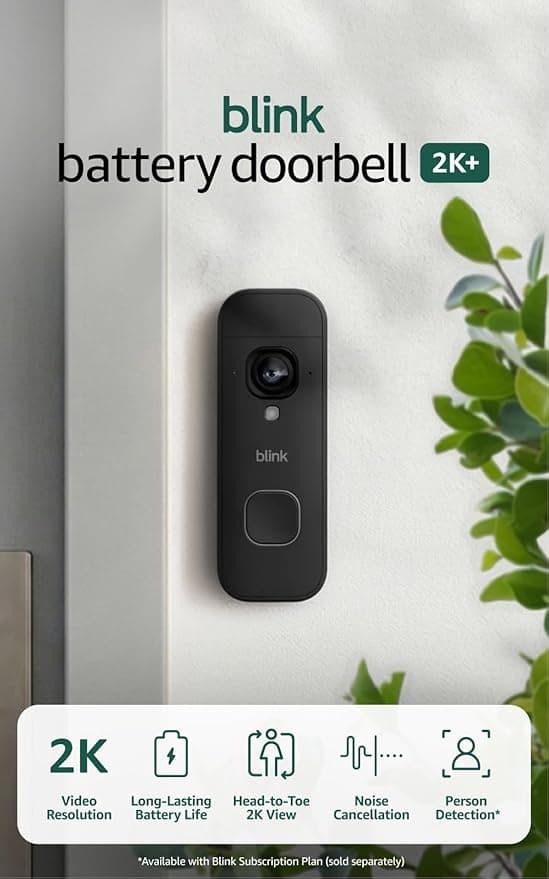
Power source is the second fork. Battery-powered (Ring Battery, Eufy E340, Arlo, Blink, Wyze) means no wiring, no electrician, and easy renter-friendly install — but you''re recharging every 2-6 months depending on motion volume. Hardwired (Ring Wired Pro, Google Nest Wired) means continuous power, no battery anxiety, and typically faster wake-from-sleep — but you need existing doorbell wiring with a compatible 16-24V transformer. Most modern homes have this; older homes often don''t.
Video resolution and field of view matter less than the marketing suggests. 1080p HD is already enough to identify faces and read package labels. 2K (most units in our lineup) adds modest detail. The Ring Wired Pro''s 4K is genuinely overkill for porch monitoring — the bandwidth requirement is significant and the perceived difference at typical viewing distances is minimal. Field of view matters more: anything below 150° will clip packages left close to the door. Head-to-toe aspect ratios (square or 1:1, like the Wyze) capture porch floor and visitor face in one frame.
Smart home ecosystem lock-in drives buyer regret more than any other factor. Ring is Amazon — best Alexa integration, decent Google Home, no Apple HomeKit support. Google Nest is Google — best Google Home integration, no Alexa or HomeKit. Eufy and Wyze are platform-agnostic with broad Alexa and Google support. If you''re an Apple household wanting HomeKit Secure Video, none of the units in this category are ideal — your real pick is the Aqara G4 or Logitech Circle View, which are outside our lineup. Pick the doorbell that matches the voice assistant you already use.
On-device AI is the emerging differentiator. The Nest''s Gemini integration lets you search video with natural-language queries ("who let the dogs out?") — genuinely useful but subscription-locked. The Eufy''s on-device AI detection runs without cloud upload, addressing privacy concerns. Most other units do cloud-based AI requiring subscriptions.
The biggest mistake we see: buying the cheapest Ring during a Prime Day sale, then realizing 12 months later that the subscription has cost more than a premium subscription-free Eufy. Calculate the 3-year total cost of ownership, not just the sticker price.
Our rankings combine rating (40%), review volume (15%), value relative to category (20%), feature density (20%), and recency (5%) into a single composite score. We don''t physically install these — we score them based on what real buyers report and what the spec sheets promise. Here are the seven smart doorbells worth your attention in 2026, from a budget Arlo deal to a premium 4K Ring flagship.