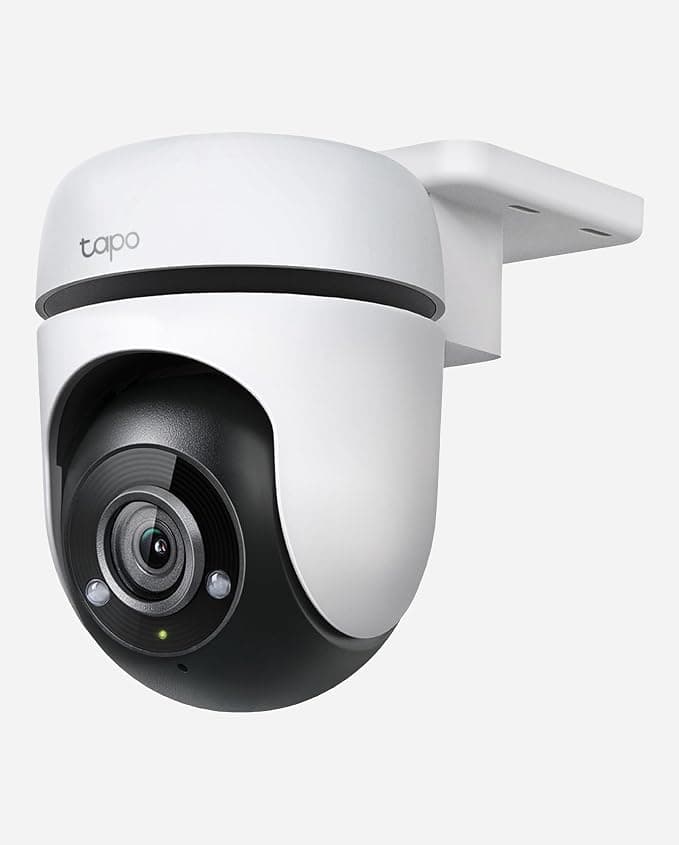
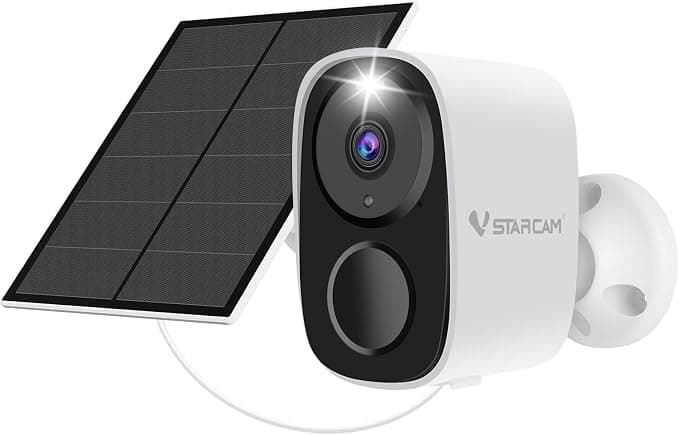
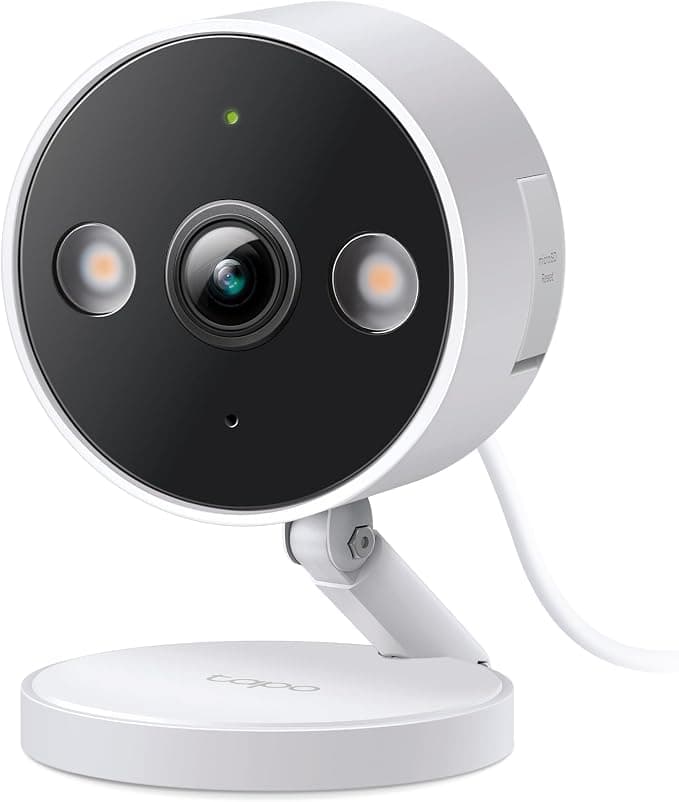
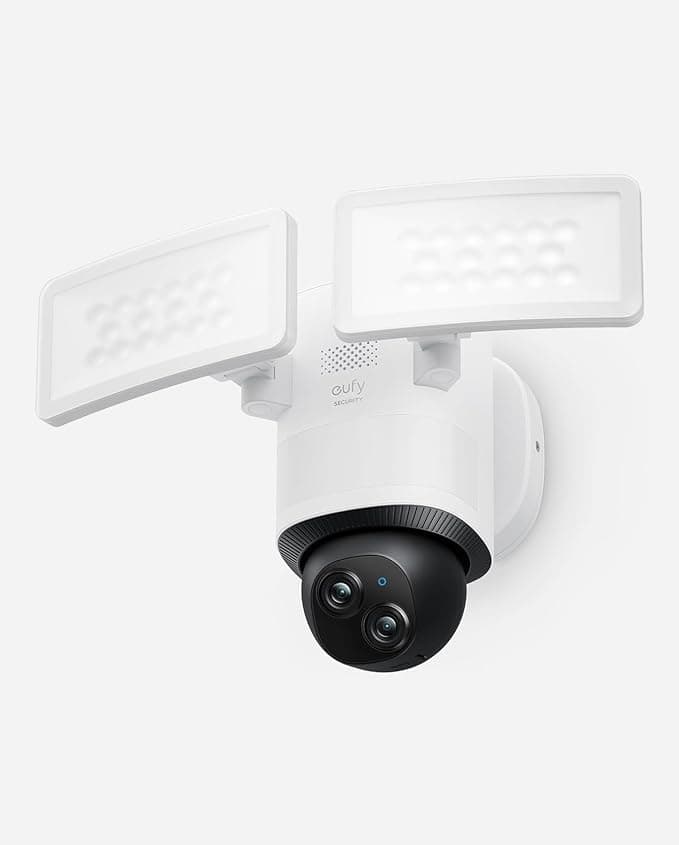
The package that vanished off your porch, the car that idled too long in your driveway at 2am, the delivery you can't confirm actually happened — a security camera turns "I think someone was there" into footage you can actually check. The category has exploded past the single-lens doorbell cam into full PTZ tracking, dual-lens floodlights, and solar-powered units that never need a battery swap, which makes picking the right one less about brand recognition and more about matching features to how you'll actually use it.
Resolution and night vision performance are the first things to evaluate, and they matter more after dark than during the day. A camera rated 2K or higher, like the Tapo 2K+ C120 and the SwitchBot 3K PTZ, captures enough detail to read a face or a license plate rather than just confirm something moved. Color night vision, now standard on most models here including the WYZE Cam v4, uses a spotlight or advanced sensor to keep footage in full color after dark instead of the grainy black-and-white most older cameras produce — genuinely useful for describing a person's clothing to police rather than just their silhouette.
Storage model is where ongoing cost hides. Some cameras, like the eufy Security SoloCam E30, store footage locally on a microSD card with zero subscription fees, which saves money over years of ownership but means you lose footage if the camera itself is stolen or damaged. Others default to cloud storage with a free tier that covers basic use, then charge monthly for extended history or multi-camera plans — read the fine print before assuming "wireless" means "free forever." Battery-powered cameras add another variable: check the realistic battery life under real use, not the marketing number, since constant motion detection in a high-traffic area drains a battery far faster than a quiet backyard corner.
Smart detection is the feature that actually cuts down on false alerts, and it's worth prioritizing over resolution once you're above 2K. Person and package detection, built into AI-powered models like the Defender AI 4K Guard, filters out notifications from swaying trees, passing cars, or your own cat, so you only get pinged when something worth seeing happens. Two-way audio adds a practical layer too — being able to speak through the camera to warn off a stranger or greet a delivery driver is one of the most-used features owners report, more than the flashy AI tracking that gets top billing on the box.
The mistake buyers make most often is choosing based on resolution alone and ignoring installation reality. A hardwired camera delivers uninterrupted power and often faster response times, but requires an outlet or electrical work near the mounting spot; a battery or solar unit installs almost anywhere but needs enough sun exposure or periodic charging to stay reliable. The second common mistake is buying single cameras piecemeal instead of checking how many a single app or hub can manage — if you're planning to expand to a multi-camera system, confirm that now rather than discovering a five-camera limit after you've already bought three from different ecosystems.
We scored every camera here on a weighted composite of customer ratings, review volume, price-to-feature value, and how richly equipped each unit is relative to the rest of the field. Budget-friendly models score well when they deliver reliable core detection without excess; premium picks earn their place with AI tracking, dual lenses, or genuinely long battery life. Below, we break down all eleven, starting with the pick that balanced resolution, smart detection, and value best across the board.