The Best Portable External Monitors for 2026: Your Screen Real Estate, Anywhere
Your laptop screen feels cramped during those marathon work sessions at the coffee shop, or maybe you're tired of squinting at your Steam Deck during long flights. Whether you're a digital nomad craving dual-monitor productivity, a creative professional needing color-accurate displays on the go, or a gamer wanting a bigger screen for your handheld console, a portable external monitor can transform how you work and play anywhere.
The portable monitor market has exploded in 2026, with options ranging from ultra-affordable budget displays to premium high-resolution panels. But with so many choices, it's easy to get overwhelmed by spec sheets and marketing claims.
What Really Matters When Choosing a Portable Monitor
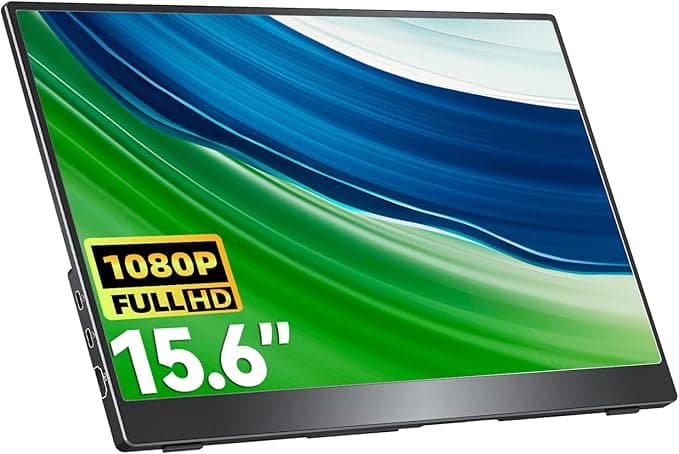
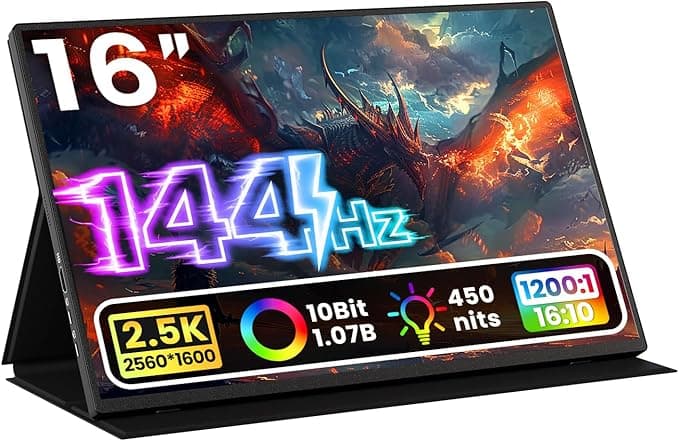
Display size and resolution sit at the heart of your decision. Most portable monitors fall between 13-17 inches, with 15.6" being the sweet spot for balancing screen real estate with portability. While 1080p remains the standard and keeps costs down, 2K and 4K options like higher-end models offer sharper text and more workspace — just expect to pay significantly more and drain your laptop's battery faster.
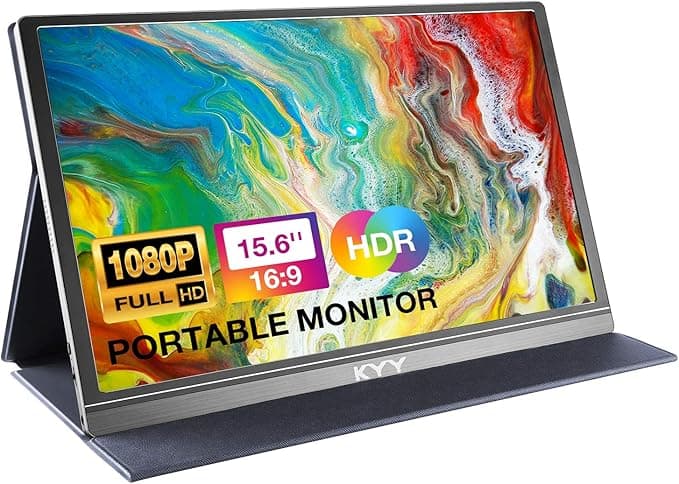
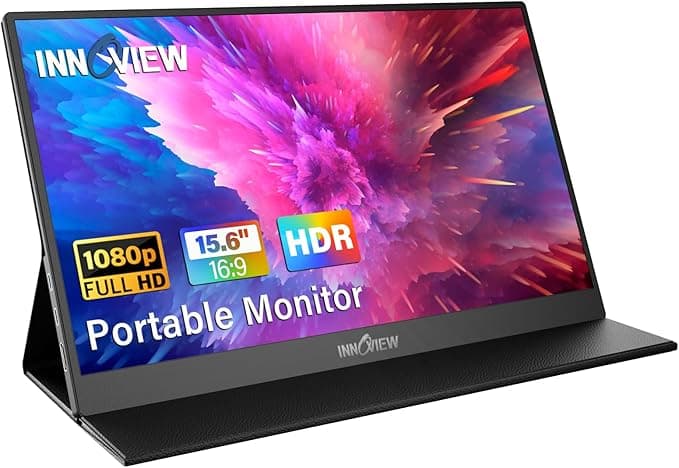
Panel technology affects both image quality and price. IPS panels dominate the portable monitor space, offering good color reproduction and viewing angles. Budget options like the InnoView Portable Monitor 15.6 Inch FHD and KYY Portable Monitor 15.6inch 1080P prove you don't need to spend a fortune for decent IPS quality. OLED panels remain rare in portable monitors due to cost and power consumption concerns.
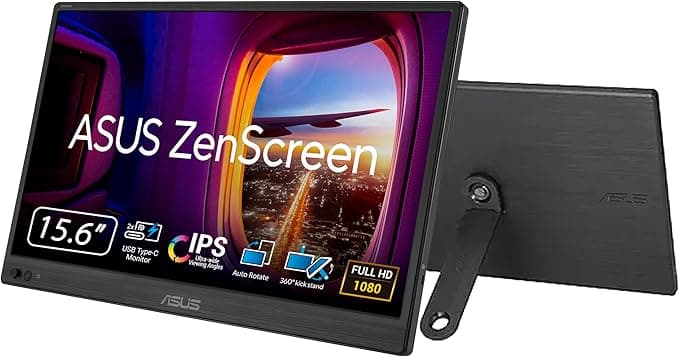
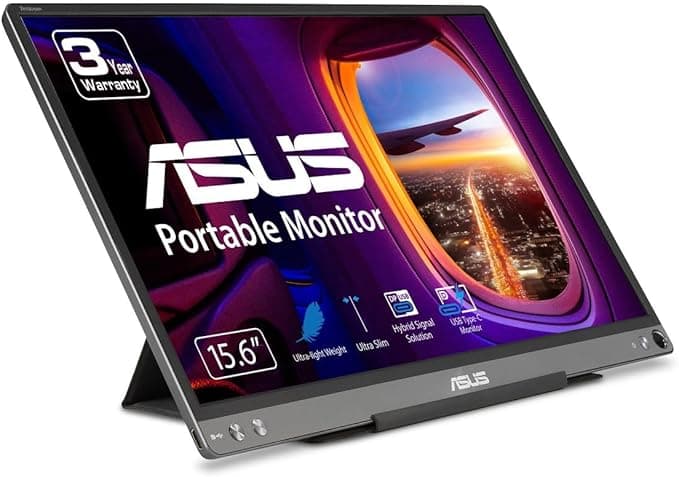
Connectivity options determine compatibility with your devices. USB-C with DisplayPort Alt Mode has become the gold standard, allowing single-cable connection for both power and video with modern laptops. However, don't assume every USB-C port supports video — this trips up many buyers. Traditional HDMI remains important for older devices and gaming consoles. Models like the ASUS ZenScreen 16" Portable USB Monitor excel in offering multiple connectivity options.
Power delivery splits into two camps: bus-powered monitors that draw power from your laptop, and battery-powered units with built-in batteries. Bus-powered monitors like most in our lineup are lighter and simpler but will drain your laptop faster. Battery-powered options add weight and complexity but offer more flexibility for device compatibility.
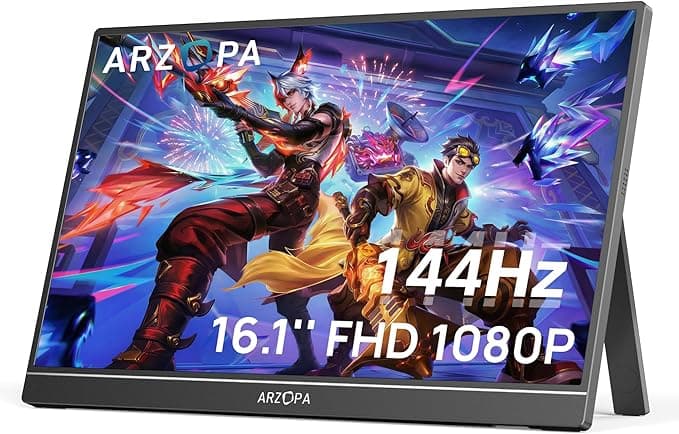
Build quality and portability matter more than you might think. A flimsy kickstand or poor hinge design can make an otherwise great monitor frustrating to use. The included case or stand design affects both protection during travel and usability at your destination. Gaming-focused options like the ARZOPA 16.1" 144Hz Portable Gaming Monitor often prioritize features like high refresh rates over ultra-slim profiles.
Common Buying Mistakes to Avoid
Many buyers focus solely on price and overlook brightness ratings, which become crucial if you plan to use your monitor in bright environments or near windows. Others assume all USB-C connections are equal — verify your laptop supports video output through USB-C before buying a monitor that relies on it exclusively.
Another mistake is ignoring color accuracy specifications if you do any photo editing or graphic design work. While budget monitors work fine for productivity tasks, creative work demands better color reproduction and calibration options.
How We Evaluated These Monitors
Our rankings combine multiple factors in a weighted composite score: customer ratings, value proposition, review volume, feature set, and product recency. This methodology helps identify monitors that deliver real-world performance and reliability, not just impressive spec sheets.
Below, you'll find our top-ranked portable monitors for 2026, from budget champions to feature-packed premium options.