The 42-to-55-inch range is the mainstream living-room TV zone — where the widest tier variation lives and where most buyers spend their TV budget. A 50-inch panel viewed from 8 to 10 feet is the "just right" viewing angle for most family rooms, and this size range covers everything from sub-$200 budget 4K to $1,000+ OLED prestige. The right pick depends on your budget, your gaming needs, your room lighting, and your platform preference — not on any single winner.
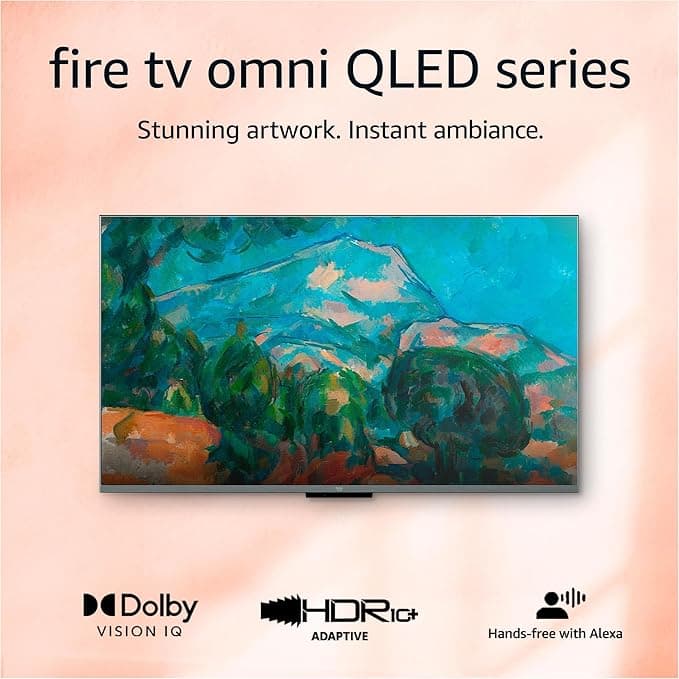
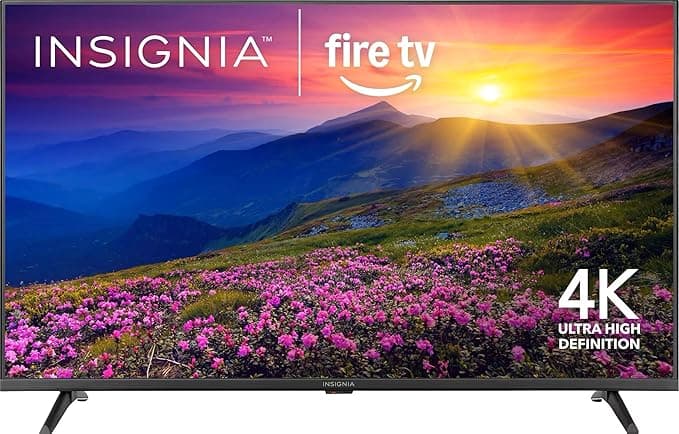
Budget 4K tier (like the Insignia 55" F50 Fire TV and Amazon Fire TV 50" Omni QLED) covers sub-$300 4K panels with Fire TV built in. These use standard LED or QLED backlights, HDR10, and 60Hz refresh rates. Perfect for casual viewing, streaming, and secondary living rooms where you're not chasing OLED depth or 120Hz gaming. The Insignia F50 at under $200 with 4K HDR and Fire TV is genuinely the value pick of the entire lineup.
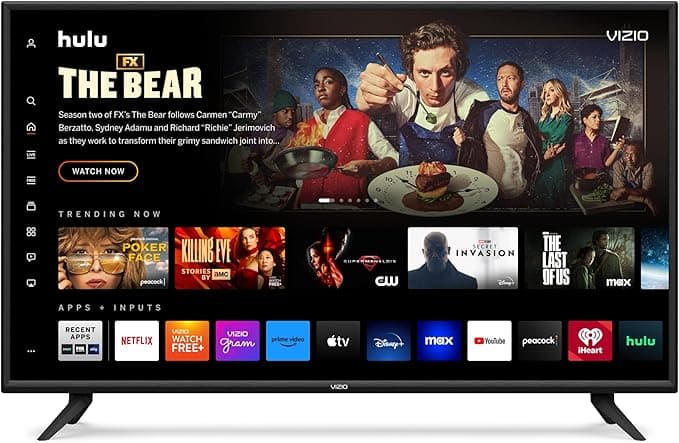
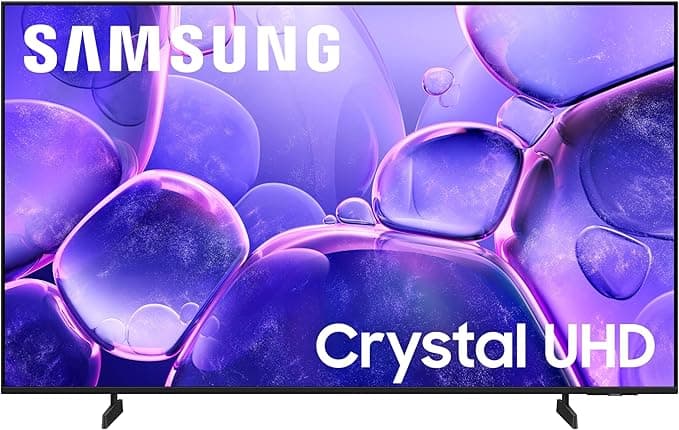
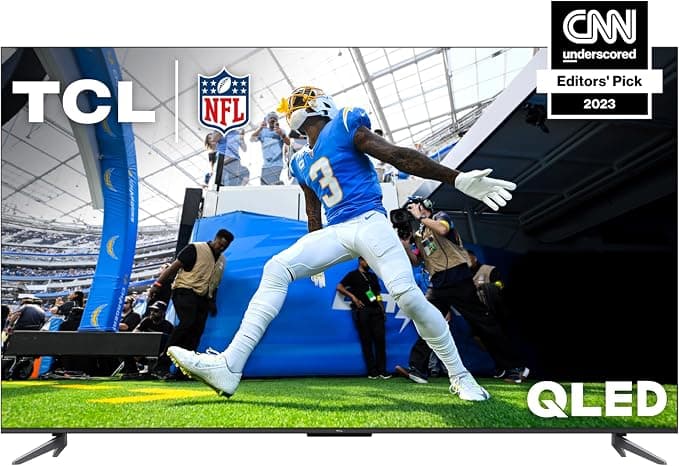
Mainstream 4K tier (like the VIZIO 50" V-Series, Samsung Crystal UHD U8000F, and TCL Q6 QLED) runs $250 to $500 and adds better processors, wider HDR support (Dolby Vision + HDR10+), better upscaling for lower-res content, and modest gaming features. This is where most buyers actually shop — pick your smart-platform preference (SmartCast / Tizen / Google TV) and go.
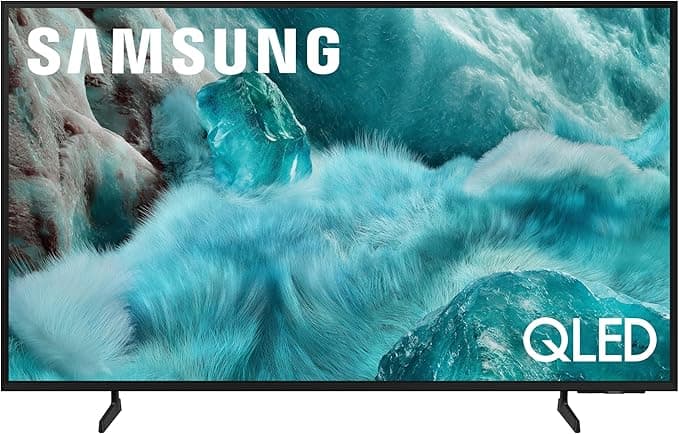
QLED mid-tier (like the Samsung Q7F QLED) adds Quantum Dot color technology, richer HDR performance, and Samsung Gaming Hub (cloud gaming via GeForce Now, Xbox Cloud, and Luna without a console). At the same price as the U8000F Crystal UHD, the Q7F is the honest QLED-value pick.
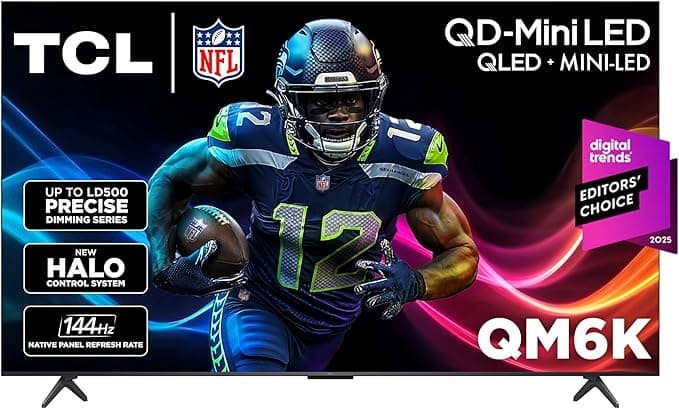
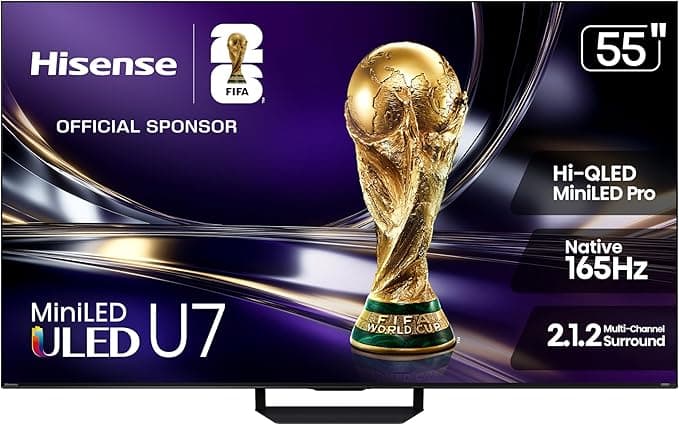
Mini-LED premium tier (like the TCL QM6K and Hisense U7) is where 2025-2026 midsize TVs hit peak value — Mini-LED backlights deliver OLED-competitive contrast at half the OLED price, 144-165Hz refresh rates for competitive gaming, and full HDR stacks (Dolby Vision + HDR10+ + IMAX Enhanced). For a $500-$800 gaming TV or a bright-room home theater, this tier is your answer.
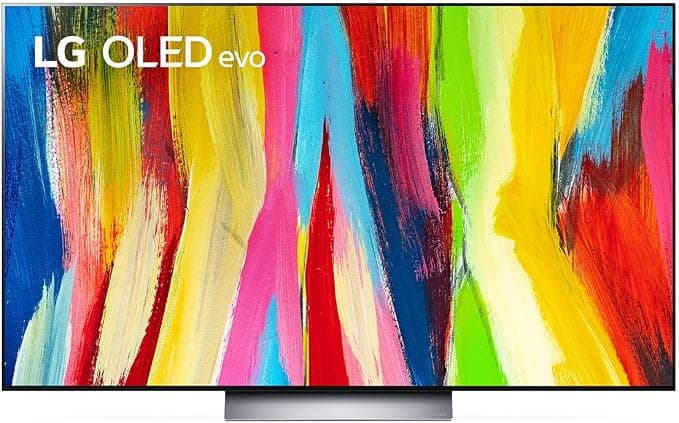
OLED prestige tier (like the LG C2 OLED) delivers infinite contrast via self-lit pixels — the picture quality that Mini-LED chases. Perfect blacks, perfect viewing angles, and the reference-grade panel type that TV enthusiasts pick. Trade-off is price (still $1,000+ even for a 2022 model in 2026), risk of burn-in on static content over years, and lower peak brightness than the brightest Mini-LEDs.
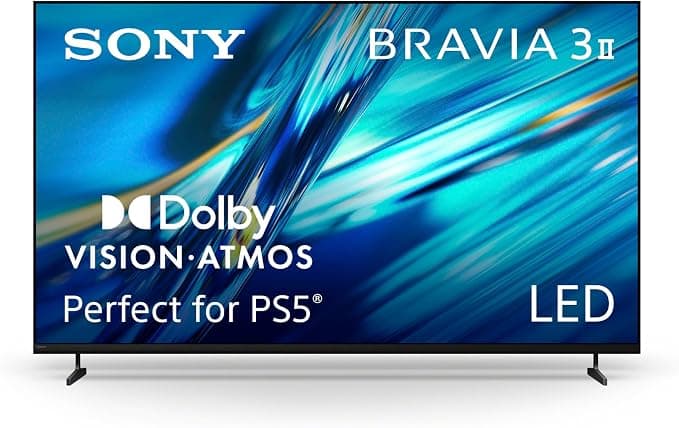
Sony PS5-companion tier (like the Sony BRAVIA 3 II) delivers XR processing tuned by Sony Pictures and exclusive PS5 gaming features — Auto HDR Tone Mapping and Auto Genre Picture Mode. For serious PS5 households who want the picture quality Sony tuned for their game engine, this is the honest pick despite the higher price tag.
A few overlooked specifics that separate a TV you'll love for six years from one you'll want to replace in two:
HDMI 2.1 with 4K/120Hz + VRR is only worth paying for if you have a PS5, Xbox Series X, or a modern PC. If you're primarily streaming Netflix and watching sports, 60Hz is fine and 120Hz costs you nothing to skip. If you're gaming, 120Hz + VRR is transformative for competitive shooters.
Bright rooms need Mini-LED or QLED — not OLED. OLED peak brightness caps around 1,000 nits; the sun through a west-facing window at 3PM overwhelms OLED. Mini-LED with 2,000-3,000 nits peak brightness handles daylight rooms in a way OLED can't. Match to your actual room lighting.
Gaming platform matters more than TV. If you have a PS5, look at Sony BRAVIA models (Auto HDR Tone Mapping is genuinely useful). If you have Xbox Series X, all models support 4K/120 VRR; the differentiator is the Samsung Gaming Hub for cloud gaming without a console. Don't chase raw specs — chase actual gaming platform integration.
Smart platform reboots and updates. Samsung Tizen is mature but Samsung has been aggressive about ads in the interface. Google TV (TCL, Sony, Hisense) integrates with Google Cast and Assistant well. Fire TV integrates with Alexa and Amazon devices. SmartCast (VIZIO) is polished but has been ad-heavy. Match to your ecosystem and expect ~2 years of support before software slowdown.
Sound is universally not great at these sizes. Every TV in this lineup benefits from a $150-300 soundbar. The Sony BRAVIA and LG C2 have the best built-in audio in the lineup, but even they don't beat a modest soundbar. Budget for one if audio matters.
The scoring methodology weighs customer rating heavily, then balances reviewer volume, value, and feature density. The Insignia F50 wins because it's the cheapest 4K TV in the lineup with a huge 9,900+ reviewer base — the scoring rewards that value-plus-reviews combination. For actual picture quality, the LG C2 OLED (position #7) is the reference pick if budget allows. For mainstream 4K value, the VIZIO 50 or Samsung Q7F QLED are the honest picks. For gaming, TCL QM6K Mini-LED or Hisense U7 Mini-LED deliver 144-165Hz Mini-LED at half OLED price. Read the individual summaries and match tier to what you actually need.