Large TVs — 56 inches and up — are where the picture-quality tier variation becomes most visible and where the price gap between budget and premium widens the most. A 65-inch panel at 8-10 feet fills your peripheral vision in a way a 50-inch cannot; a 75-inch or 77-inch panel in the same room becomes a genuine home-theater experience. That immersion factor also means picture-quality differences become far more visible than they were at 50 inches — OLED, Mini-LED, and QLED distinctions matter here in ways they simply don't at smaller sizes.
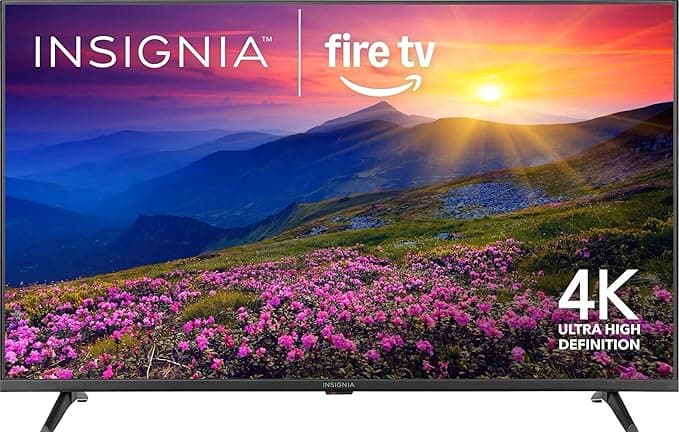
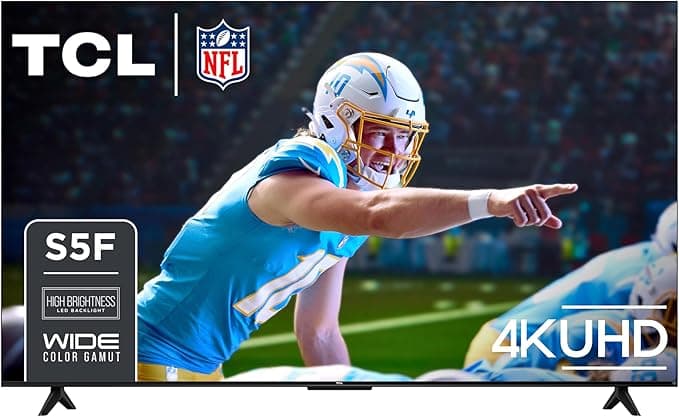
Budget large-TV tier (like the Insignia 65" F50 Fire TV and TCL 65" S5 Fire TV) covers sub-$500 65-inch 4K panels with Fire TV built in. Standard LED backlights, HDR10 support, and no local dimming. Perfect for a secondary living room, playroom, garage, or budget primary TV where the immersion factor of 65 inches matters more than premium picture quality. The Insignia F50 at under $250 for a 65-inch 4K TV is genuinely the value shock of the lineup — that's below the price of many 50-inch mid-tier TVs.
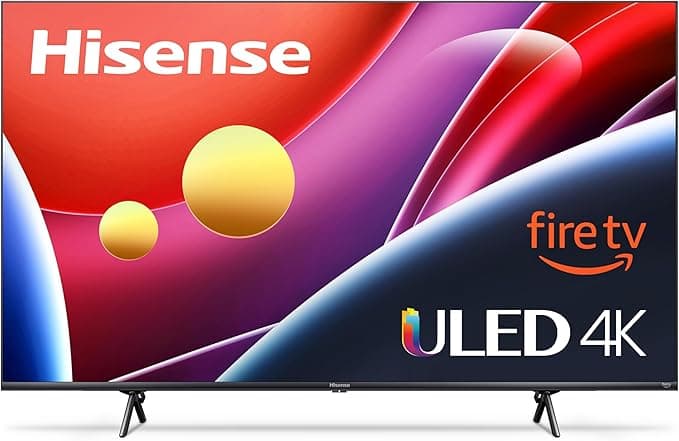
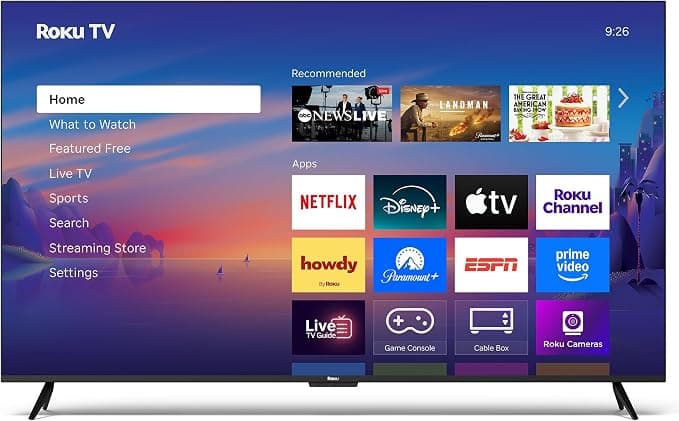
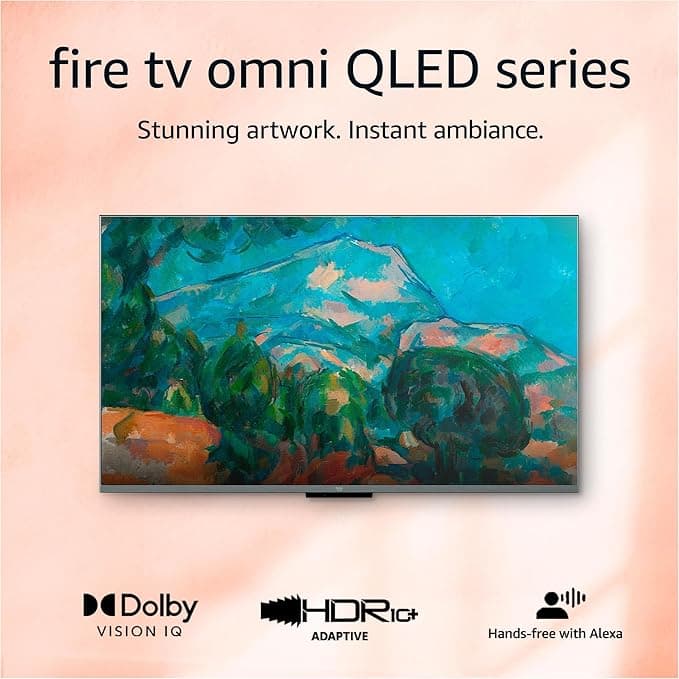
Mainstream 65" 4K tier (like the Hisense 65" U6 ULED, Roku 65" Select Series, and the Amazon Fire TV 75" Omni QLED) runs $400-$1,200 and delivers meaningful step-ups: Quantum Dot color, Full Array Local Dimming with 32-96 zones, HDMI 2.1 with VRR for gaming, and Dolby Vision + HDR10+ support. The Hisense U6 at under $500 is the honest mainstream pick — you get real QLED color and local dimming zones for less than most 55-inch premium TVs.
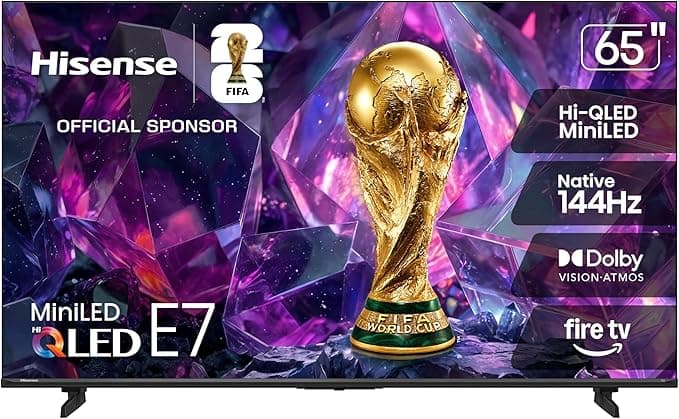
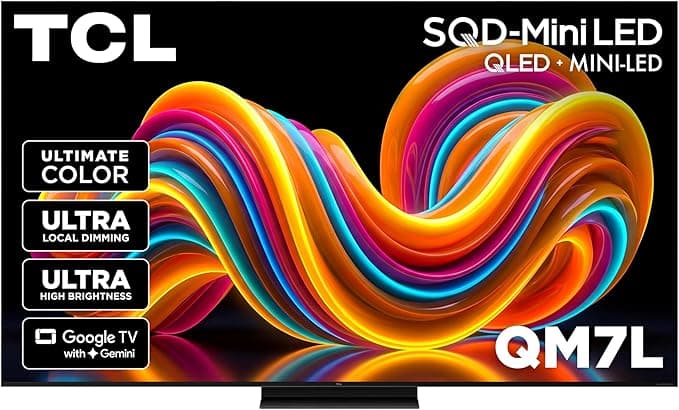
Mini-LED premium tier (like the Hisense 65" E7 Cinema Series and TCL 65" QM7L) delivers 2026-tier Mini-LED backlights with 1,000+ local dimming zones and 144Hz refresh rates. This is OLED-competitive contrast in a bright-room capable format — the answer for daylight home theaters, sports viewing, and PC gaming. The premium is real, but so is the picture-quality delta over standard LED.
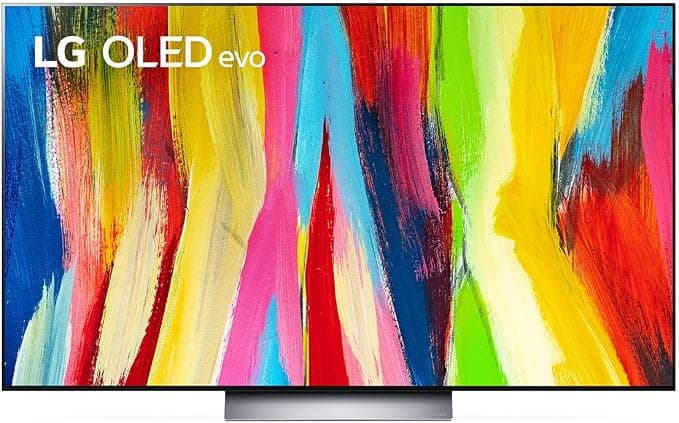
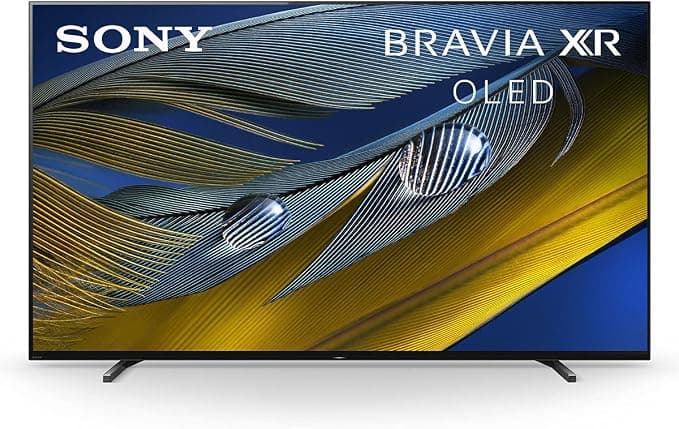
OLED prestige tier (like the LG 65" C2 OLED and Sony 77" A80J BRAVIA XR OLED) delivers infinite contrast, perfect blacks, and reference-grade viewing angles. At 65-77 inches, OLED becomes genuinely transformative — the picture-quality gap between OLED and standard LED at 77 inches is dramatically larger than at 55 inches because your eye can resolve more detail across a larger panel. Sony's XR OLED tuning is arguably the reference-tier picture quality at 77 inches; LG's C2 is the mainstream OLED benchmark at 65 inches. Both cost — but for a primary home theater, both deliver something the LED tiers cannot.
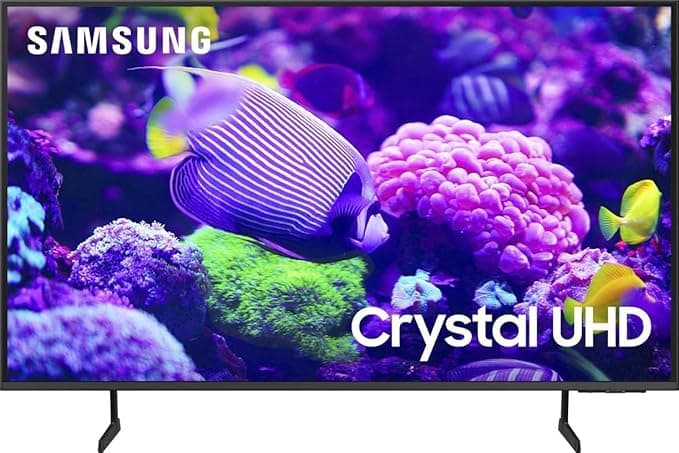
Large-size mainstream 75" tier (like the Samsung 75" DU7200) covers Samsung's mainstream Crystal UHD platform at 75 inches — a step up in size without the flagship Neo QLED price. At around $1,000 for 75 inches of 4K Samsung Tizen with PurColor and Object Tracking Sound Lite, this is the honest "big but budget" pick for buyers who want 75 inches without spending $2,000+.
A few overlooked specifics that separate a large TV you'll love for years from one you'll want to replace in two:
Room size and viewing distance actually matter at these sizes. A 65" TV at 6 feet away is close enough to see pixel structure on 4K content — you're getting no benefit vs. 55" at that distance. Use the 1.5x-2x screen-diagonal-in-inches-to-feet rule: 65" wants 8-11 feet, 75" wants 9-12 feet, 77-85" wants 10-14 feet. Buying too big for your room isn't a win — you'll fatigue eye tracking.
HDMI 2.1 with 4K/120Hz VRR is worth the premium if you have a PS5, Xbox Series X, or gaming PC. Every mid-tier and premium pick in our lineup supports this; the budget-tier picks (Insignia F50, TCL S5) do not. If gaming matters, don't buy the budget tier.
Bright rooms need Mini-LED or QLED — not OLED. OLED peak brightness caps around 1,000 nits; the Hisense E7 Mini-LED delivers up to 3,000 nits. In a room with a west-facing window and 3PM sun, OLED will look washed out where Mini-LED stays punchy. Match to actual room lighting, not to review-site rankings.
OLED burn-in risk is real for years of use with static content. Gaming HUDs, news tickers, and stock market bars over 5+ years can create permanent image retention on OLED panels. LG has improved algorithms significantly since 2020 but the risk is nonzero. If you watch a lot of news with a static ticker or game the same title for hundreds of hours, factor this in.
Sound at 65-77 inches still isn't great. Even Sony's flagship A80J with Acoustic Surface Audio+ delivers TV-speaker-tier audio, not real theater sound. Every pick in this lineup benefits from a $200-500 soundbar. Budget for one — a 77" OLED with weak audio is a worse experience than a 65" TV with proper Dolby Atmos audio.
Wall-mounting matters at these sizes. 65"+ TVs are heavy — verify your wall stud spacing and VESA mount compatibility before ordering. LG's Gallery Design is engineered for near-flush mounting; Samsung's Neo QLED and QLED tiers have thinner form factors. Standard LED tier TVs like the Insignia F50 are chunkier and less wall-mount-friendly.
The scoring methodology weighs customer rating heavily, then balances reviewer volume, value, and feature density. The Insignia F50 65" ranks first because it's the cheapest 65" 4K TV in the lineup with the deepest reviewer base — the scoring rewards that combination. For actual picture quality at 65"+ sizes, the LG C2 OLED (position #6) and Sony A80J OLED (#8) are the reference picks. For bright-room home theaters, the Hisense E7 Mini-LED (#7) or TCL QM7L Mini-LED (#10) deliver 2026-tier Mini-LED performance. For 75"+ big-screen mainstream, the Samsung DU7200 75" (#5) or Fire TV 75" Omni (#9) are the honest picks. Match tier and size to your room, viewing distance, and lighting — read the individual summaries below.