The Best Graphics Cards of 2026: Power Meets Performance
Whether you're building a new gaming rig, upgrading from an aging GPU, or diving into AI workloads, choosing the right graphics card in 2026 feels more complex than ever. With NVIDIA's RTX 50-series bringing DLSS 4 to the table and AMD's RDNA 4 architecture finally hitting its stride in the RX 9000 series, you've got genuinely compelling options across every price bracket.
What Actually Matters When Shopping for a GPU
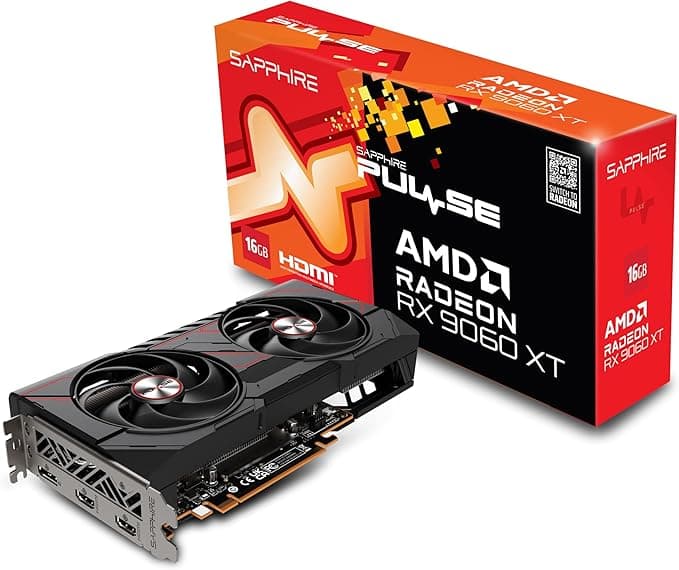
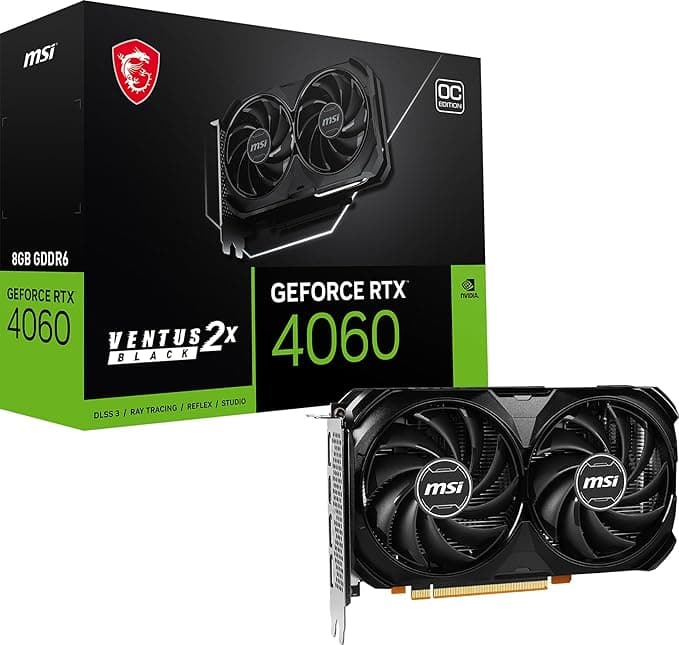
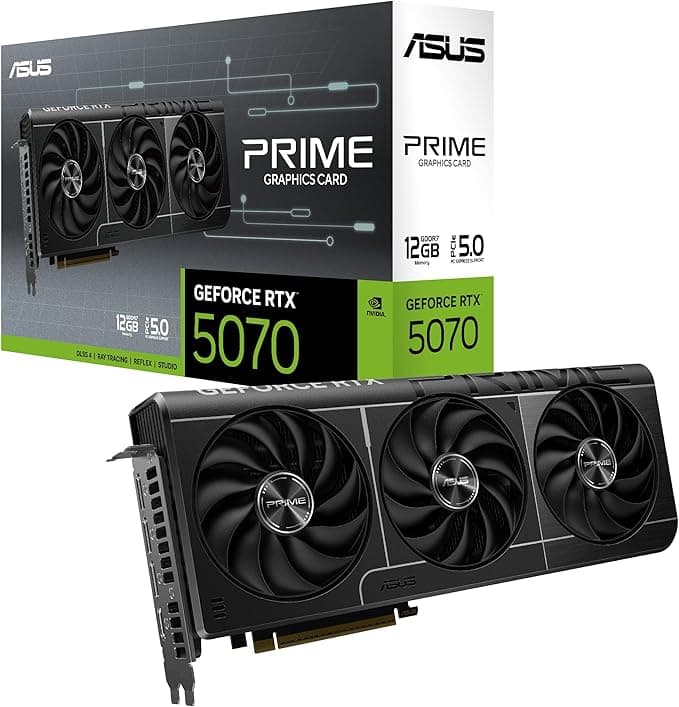
VRAM capacity and type should be your first consideration. While 8GB was adequate for 1080p gaming just a few years ago, modern titles increasingly demand 12GB or more for comfortable 1440p performance. The MSI Gaming GeForce RTX 4060 8GB works well for budget-conscious 1080p gamers, but if you're planning to game at higher resolutions, cards like the Sapphire Pulse AMD Radeon RX 9060 XT Gaming OC with its 16GB buffer provide much more headroom. GDDR7 memory in newer cards like the ASUS Prime GeForce RTX 5070 offers significantly higher bandwidth than GDDR6, though GDDR6X remains perfectly capable.
Architecture generation determines your feature set and efficiency. NVIDIA's Ada Lovelace (RTX 40-series) and newer Blackwell (RTX 50-series) chips excel at ray tracing and DLSS upscaling, while AMD's RDNA 3 and RDNA 4 architectures offer competitive rasterization performance with improved FSR support. Don't overlook older-generation cards entirely — they often provide better price-to-performance ratios.
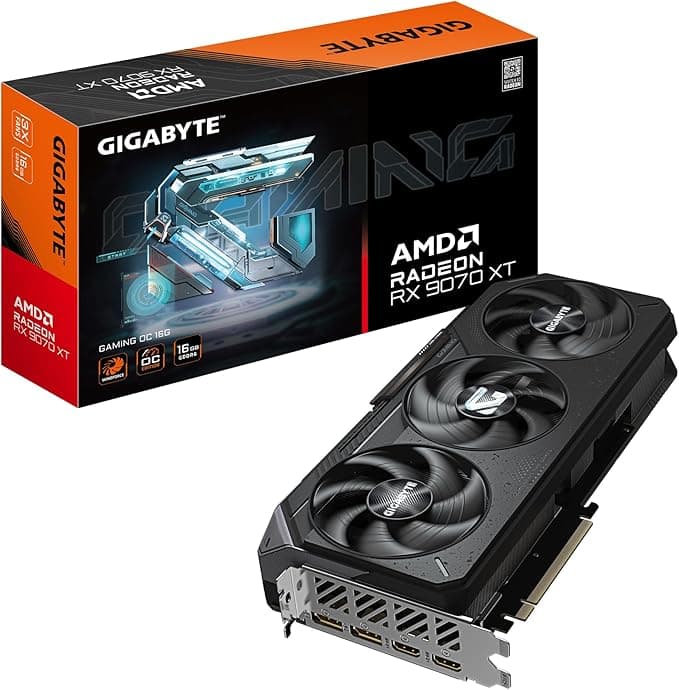
Power consumption and cooling directly impact your system requirements and noise levels. Higher-end cards like the Gigabyte Radeon RX 9070 XT Gaming OC demand robust PSUs and proper case ventilation. Pay attention to Total Graphics Power (TGP) ratings and ensure your power supply has adequate PCIe connectors.
Form factor compatibility matters more than most people realize. Many ITX builds can't accommodate triple-slot coolers, while some pre-built systems have strict length restrictions. Always verify clearance before purchasing.
Common GPU Shopping Mistakes
The biggest mistake? Obsessing over benchmark numbers while ignoring your actual use case. A card optimized for 4K gaming is overkill if you're gaming on a 1080p monitor. Similarly, don't assume more VRAM always equals better performance — a faster GPU with less memory often delivers superior frame rates at your target resolution.
Another pitfall: ignoring software ecosystems. If you stream regularly or work with creative applications, NVIDIA's mature encoder and NVENC support might outweigh AMD's raw performance advantages.
How We Evaluate Graphics Cards
Our rankings use a weighted composite methodology that considers real-world performance data, price-to-performance ratios, feature sets, user review volume, and product recency. We prioritize cards that deliver consistent performance across diverse gaming scenarios rather than synthetic benchmark champions.
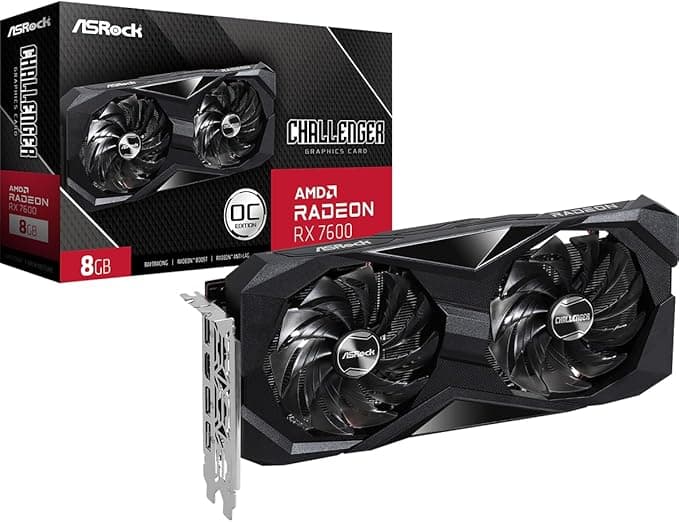
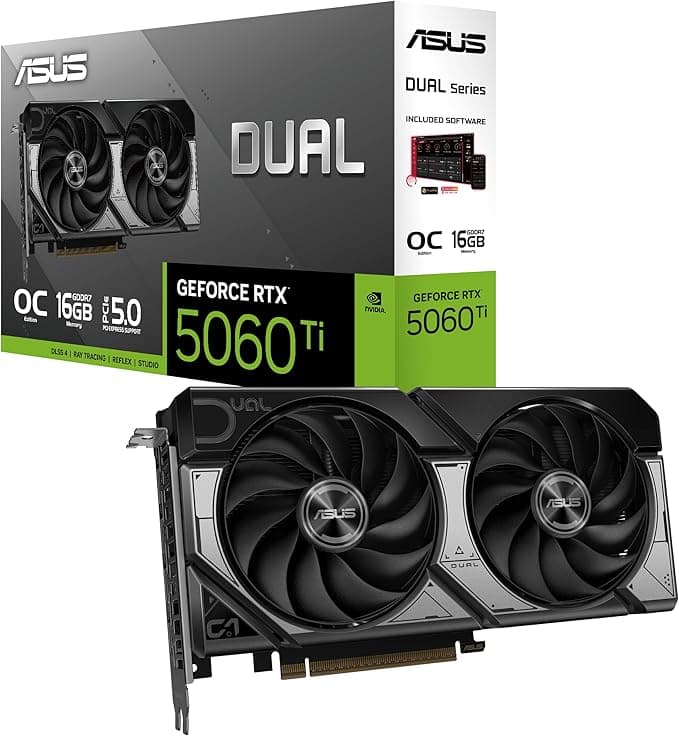
The ASRock Radeon RX 7600 Challenger earned strong marks for its budget-friendly pricing and solid 1080p performance, while premium options like the ASUS Dual GeForce RTX 5060 Ti scored well for their advanced features and future-proofing potential.
Below, you'll find our carefully ranked selection of the year's best graphics cards, each evaluated for different budgets and use cases.