Best Gaming Monitors 2026: Speed, Clarity, and Immersion
You've been gaming on that old 60Hz monitor for too long, haven't you? Whether you're tired of screen tearing ruining your competitive Valorant matches or want to finally see what all the HDR hype is about in single-player games, upgrading your gaming monitor is one of the most immediate ways to transform your setup.
The gaming monitor landscape in 2026 is more exciting than ever, but also more complex. With OLED panels finally hitting competitive price points and refresh rates climbing toward 400Hz, choosing the right display requires understanding what actually matters for your gaming style.
Panel Technology: The Foundation of Everything
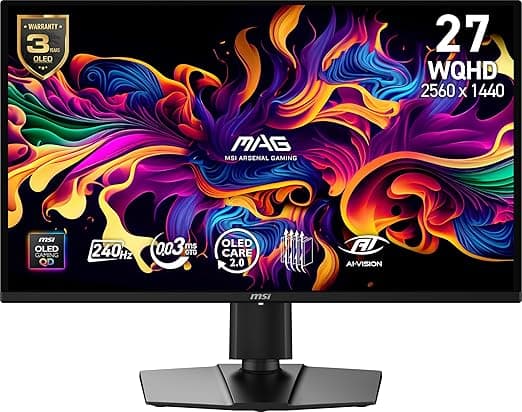
Your panel type determines everything from color accuracy to response times. IPS panels offer the best color reproduction and viewing angles, making them ideal for content creation alongside gaming. VA panels provide deeper blacks and higher contrast ratios, perfect for immersive single-player experiences. But the real game-changer in 2026 is OLED technology — models like the MSI MAG 274QP QD-OLED X24 deliver true blacks and instantaneous pixel response times that make motion crystal clear.
Resolution vs. Refresh Rate: The Eternal Balance
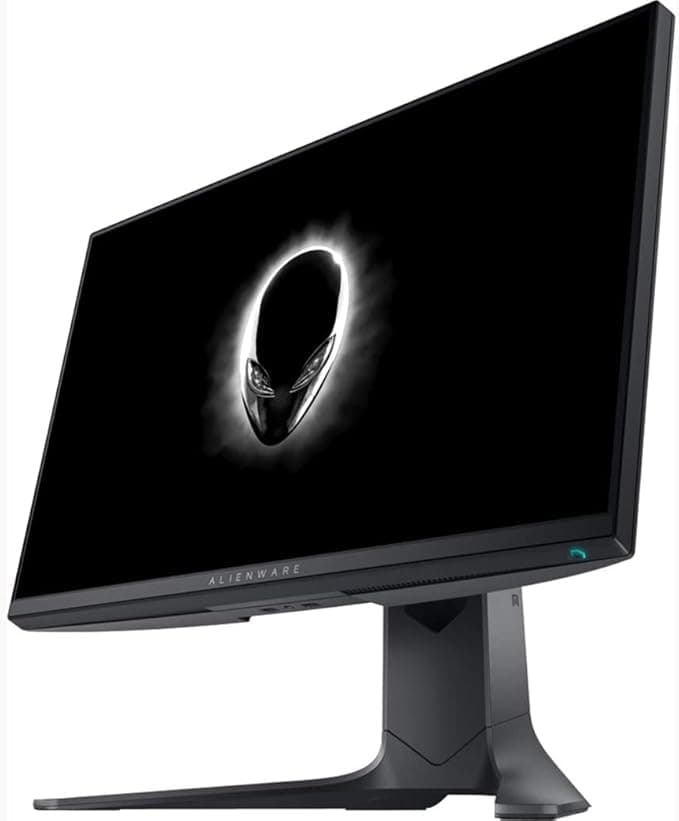
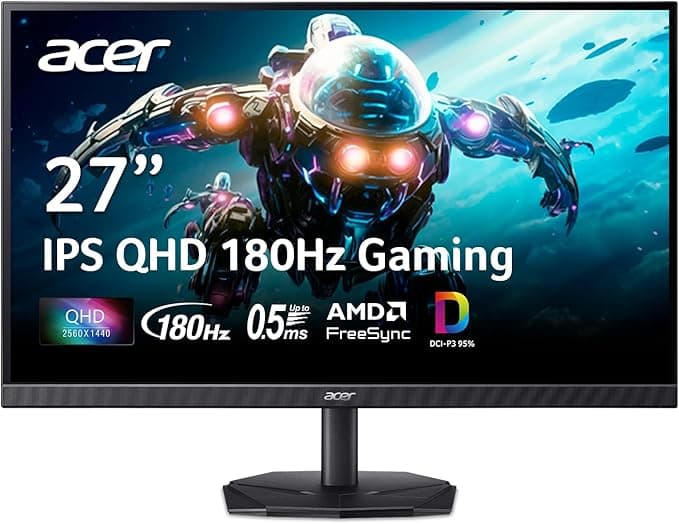
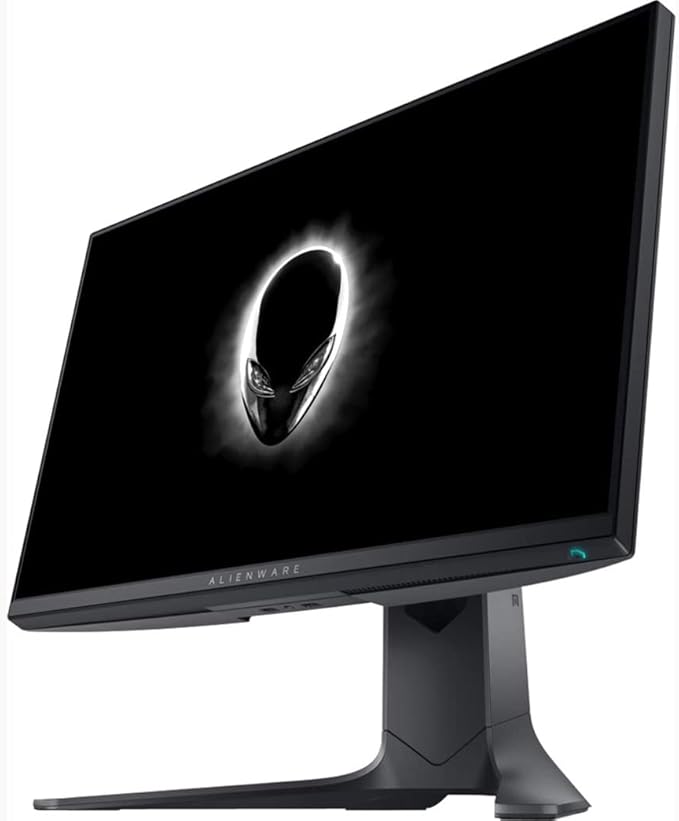
Here's where most buyers get tripped up: chasing 4K when their GPU can't handle it. If you're primarily playing competitive esports titles, 1080p at 240Hz will serve you better than 4K at 60Hz. The Alienware AW2521HF proves this point — its 240Hz refresh rate at 1080p creates an incredibly smooth competitive experience. For single-player gaming, 1440p offers the sweet spot between visual fidelity and performance, which is why options like the Acer Nitro 27" QHD have become so popular.
Response Time: Don't Get Fooled by Marketing
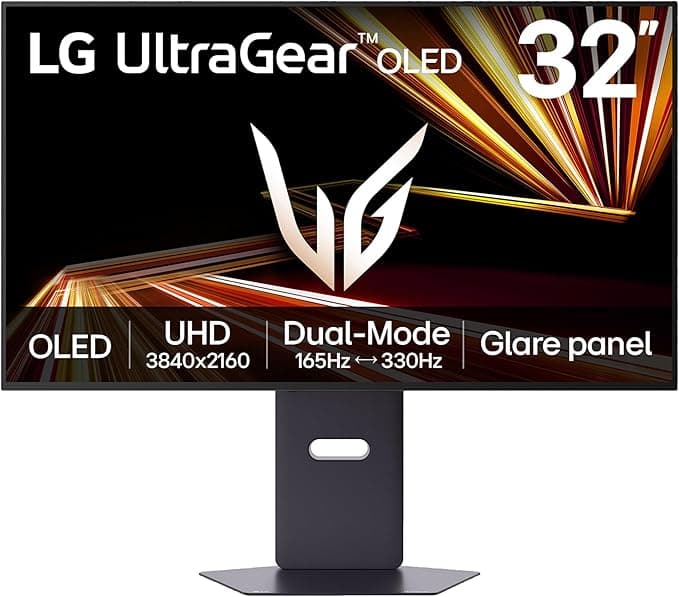
Manufacturers love advertising "1ms response time," but they're usually referring to gray-to-gray (GtG) measurements under optimal conditions. Real-world performance varies significantly. OLED panels consistently deliver the fastest actual response times — the LG 32GX850A-B with its 0.03ms response time eliminates motion blur almost entirely.
Adaptive Sync: G-Sync vs. FreeSync in 2026
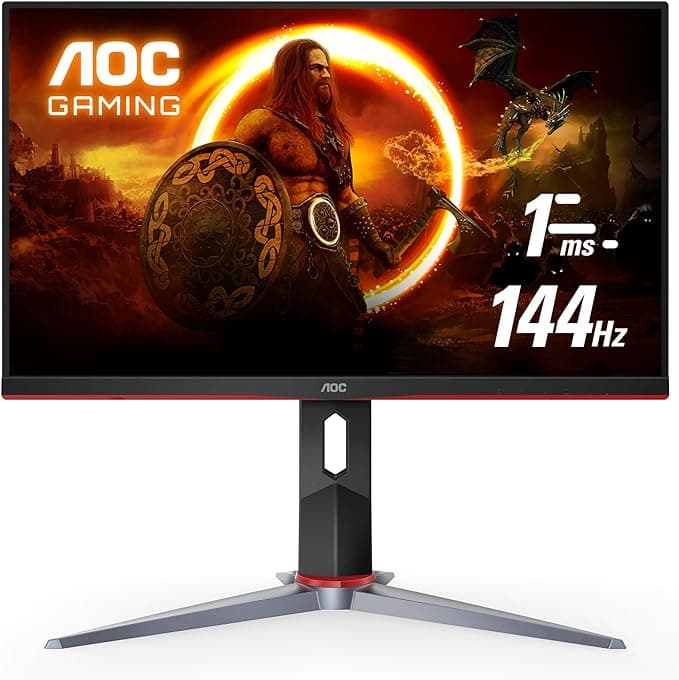
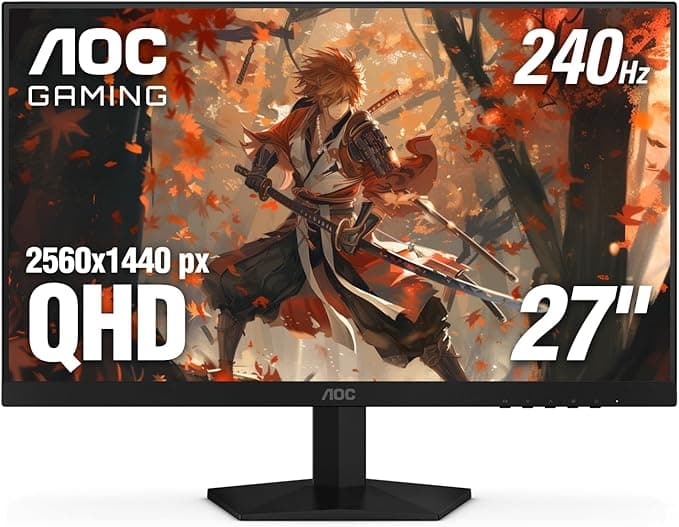
The good news? The compatibility wars are largely over. Most modern monitors support both G-Sync Compatible and FreeSync, like the budget-friendly AOC 24G2. Unless you're running a high-end RTX setup and want certified G-Sync Ultimate features, either technology will eliminate screen tearing effectively.
HDR: When It Matters (And When It Doesn't)
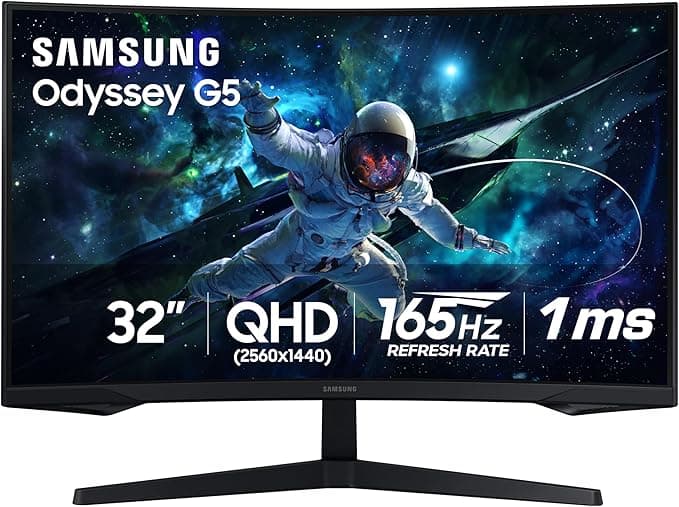
Many budget monitors slap "HDR10" on their spec sheets without the brightness or contrast to make it meaningful. True HDR requires at least 600 nits peak brightness and local dimming zones. The curved Samsung Odyssey G55C offers decent HDR implementation at a reasonable price point, while premium OLED options deliver reference-quality HDR performance.
Our Methodology
We've evaluated dozens of gaming monitors using a weighted composite score that considers expert ratings, user feedback volume, feature completeness, value proposition, and product recency. This ensures our rankings reflect real-world performance and current market conditions, not just spec sheets.
Ready to find your perfect gaming monitor? Our detailed rankings below break down the top performers across every budget and use case.