Gaming headsets split into four completely different tiers — and picking the wrong tier for how you actually play is the fastest way to end up disappointed. A $37 wired budget headset will not compete in a ranked lobby when your teammate is on Discord. A $250 flagship wireless with active noise cancellation is overkill if you play console single-player. Match the tier to your platform, your play style, and your audio expectations.
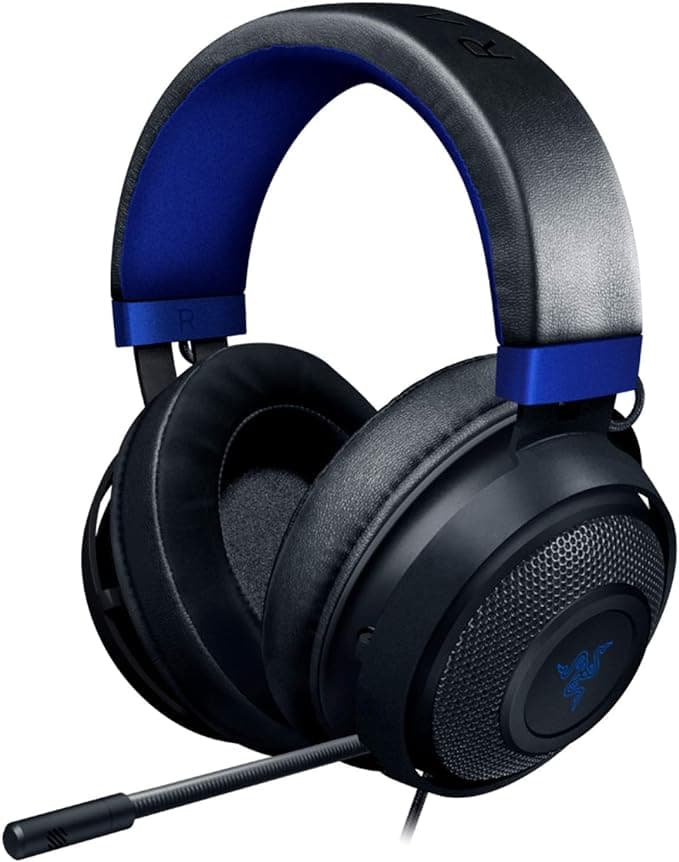
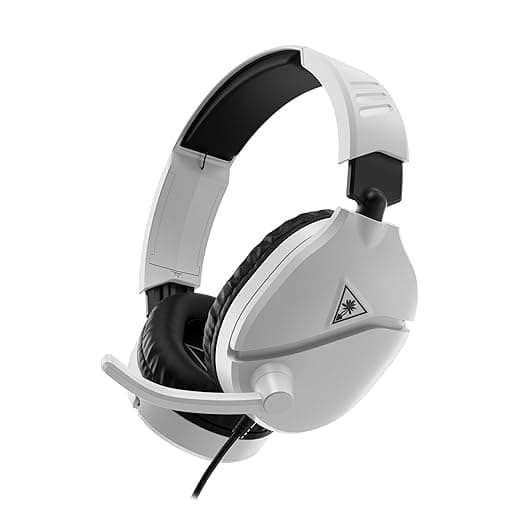
Budget wired headsets (like the Turtle Beach Recon 70 and Razer Kraken) are the entry tier — 3.5mm plug, no battery, no compressor DACs, no fancy software. Universal platform support because the 3.5mm jack works on PS5, Xbox, Switch, PC, and mobile without setup. This tier is right for teens, casual gamers, second-headset use, and anyone who just wants voice chat and stereo sound. Don't expect broadcast-quality microphones, active noise cancellation, or 50-hour battery life — those aren't here.
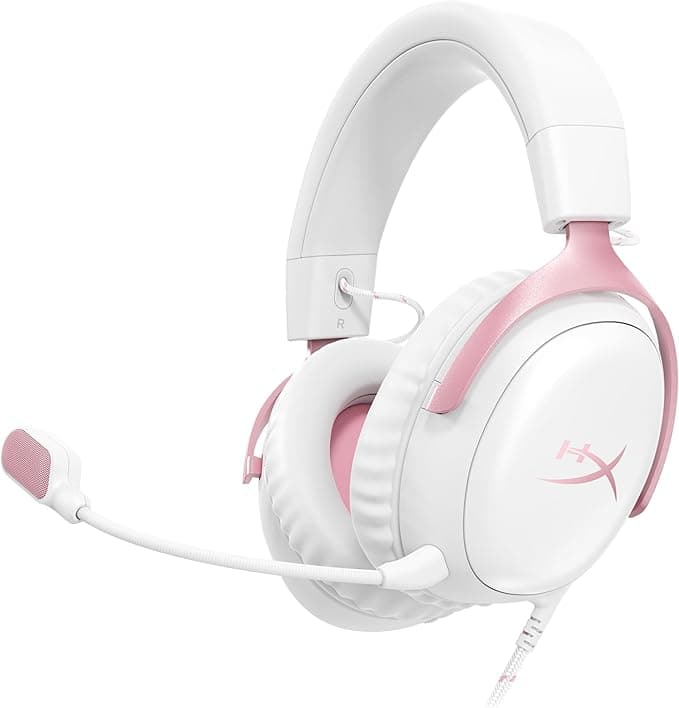
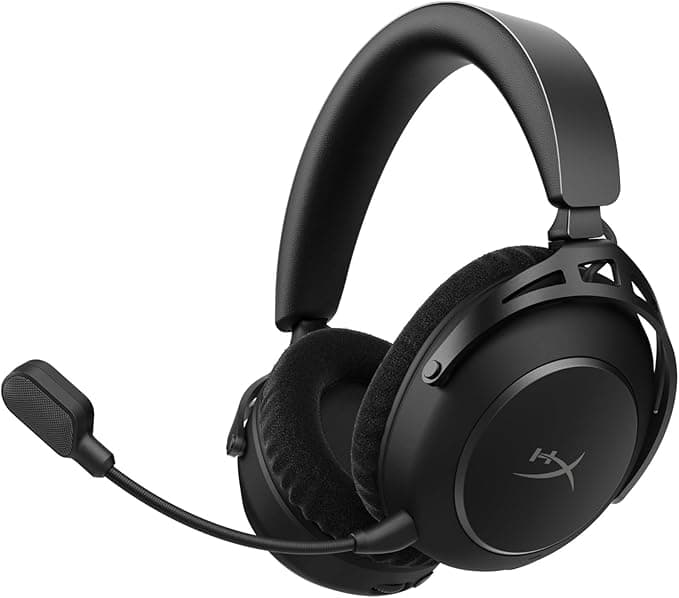
Mid-tier wired flagship headsets (like the HyperX Cloud III) are the sweet spot for competitive PC gamers who don't need wireless — larger drivers (53mm here vs 40-50mm at the budget tier), aluminum frames, detachable microphones, USB-C plus 3.5mm connectivity, and spatial audio licensing (DTS Headphone:X). This tier costs about twice what a Recon 70 does but delivers meaningfully better mic clarity and driver quality. If you're wired to your PC anyway, this is where the value-per-dollar peaks.
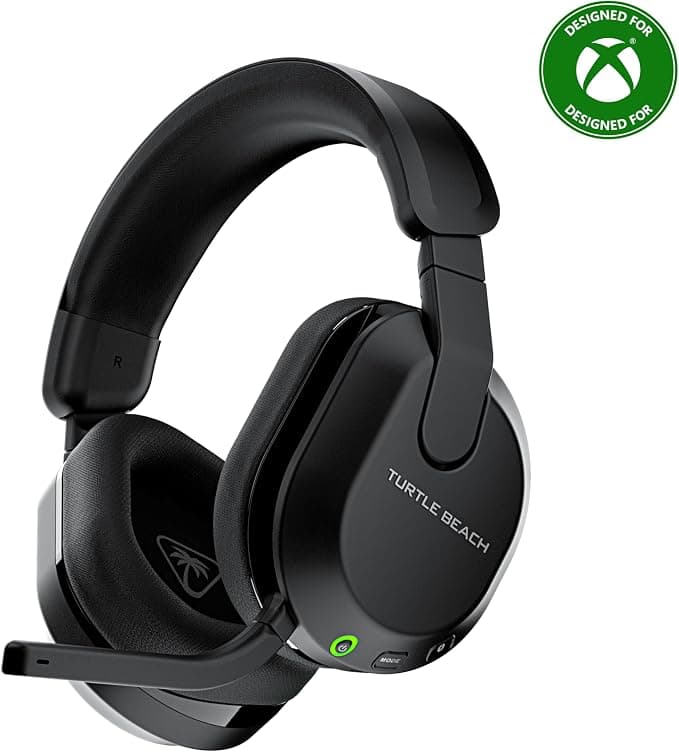
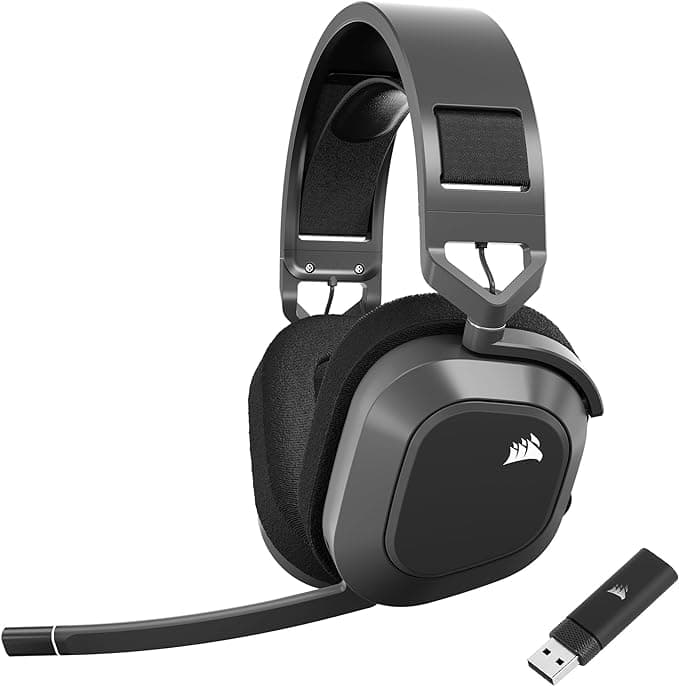
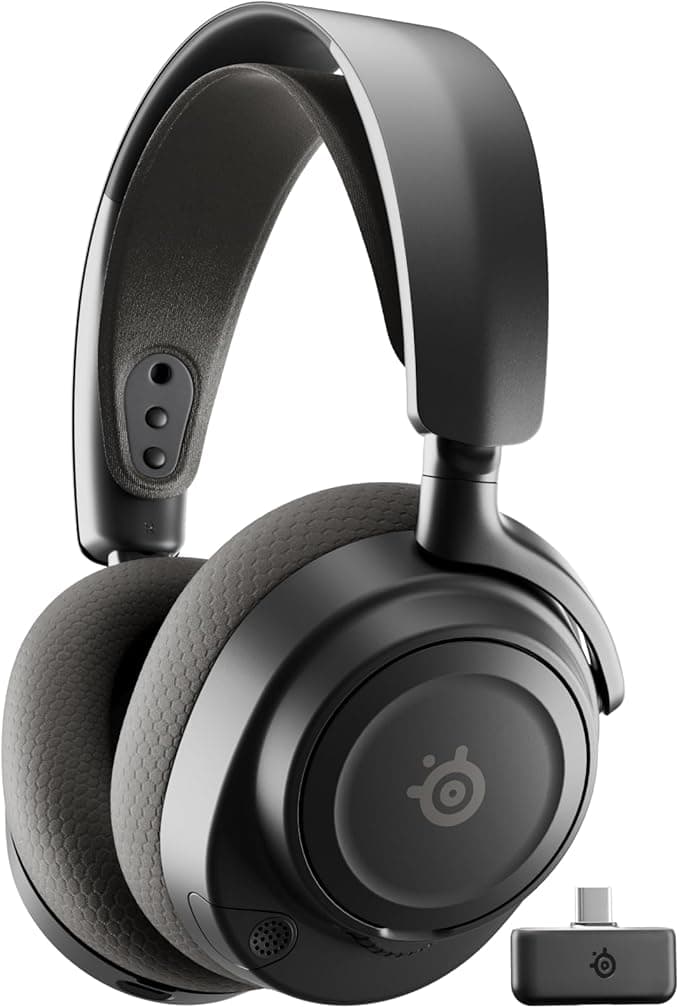
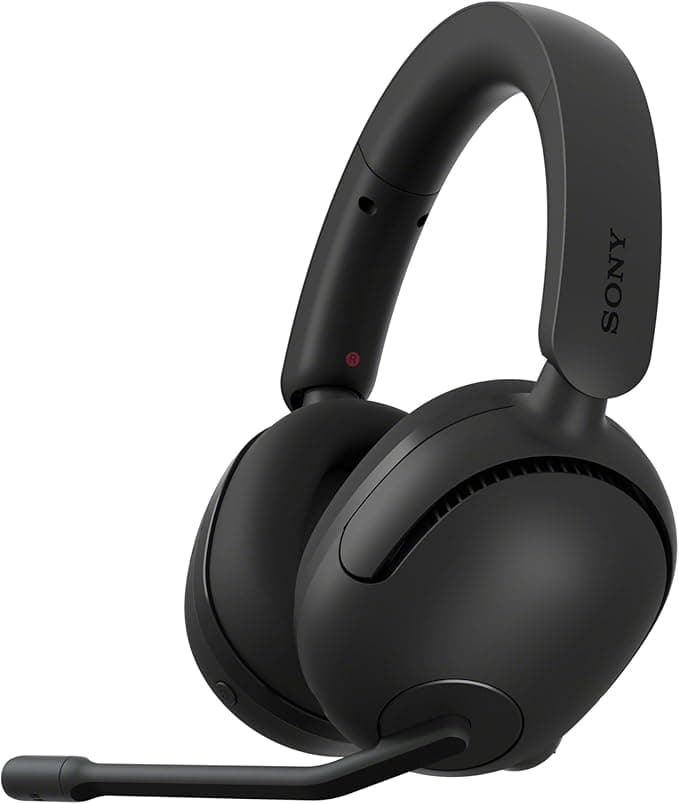
Mid-tier wireless headsets (like the Turtle Beach Stealth 600, Corsair HS80 MAX, SteelSeries Arctis Nova 7 Gen 2, and Sony INZONE H5) run $150 to $180 and cover the widest range of use cases — Bluetooth for phone calls plus 2.4GHz for low-latency game audio, 50 to 80 hour batteries, multiplatform support, and flip-to-mute or noise-rejecting mics. This tier is where "just works for everything" lives. Turtle Beach and Corsair skew toward console; SteelSeries and Sony skew toward PC/PS5.
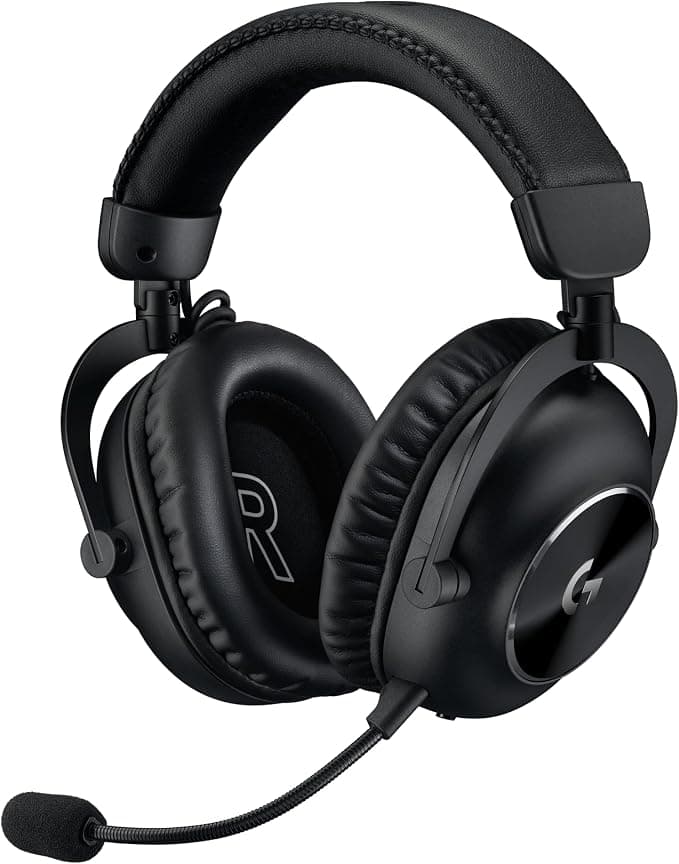
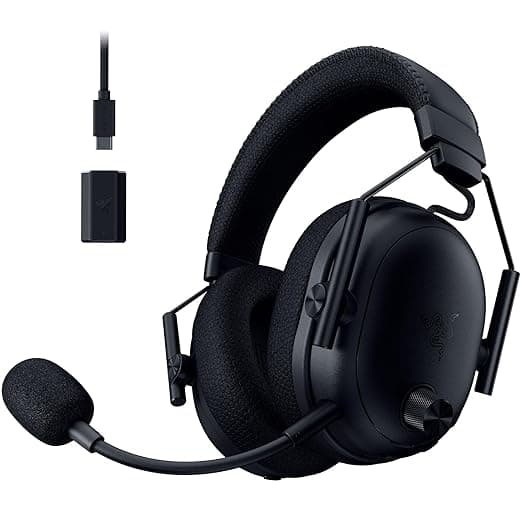
Premium wireless flagship headsets (like the Logitech G PRO X 2, HyperX Cloud Alpha 2 Wireless, and Razer BlackShark V3 Pro) run $200 and up and add competitive-tier features: Active Noise Cancellation, low-latency wireless (Razer's HyperSpeed at 10ms), 200+ game-specific audio presets, broadcast-quality microphones (Blue VO!CE, HyperClear), 70 to 250 hour batteries, and simultaneous 2.4GHz + Bluetooth so you can be on Discord and take a phone call without switching. This tier is right for competitive FPS players, streamers, and anyone who spends 20+ hours a week gaming.
A few overlooked specifics that separate a headset you'll wear daily from one that ends up on a shelf:
Platform compatibility is not universal. Xbox does not accept generic 2.4GHz USB dongles the way PC and PlayStation do. If you play Xbox, verify Xbox Wireless licensing before buying — the Turtle Beach Stealth 600 in our lineup supports Xbox natively, but many "PC/PS5" wireless headsets do not work on Xbox. PC-focused headsets like the Razer BlackShark V3 Pro and SteelSeries Nova 7 (base version) do not directly support Xbox.
Wired vs wireless is not just a cable question. Wireless adds latency (usually 15-40ms on 2.4GHz, 100ms+ on Bluetooth), adds a battery to manage, and adds a dongle to lose. Wired eliminates all three at the cost of a cable pulling on your neck. Competitive players still overwhelmingly prefer wired for tournaments — the cable is not a bug, it's a feature.
Microphones matter more than drivers for most gamers. Your teammates hear your mic; you don't. A great-sounding headset with a mediocre mic is worse in a group than an okay-sounding headset with a broadcast mic. The Logitech Blue VO!CE and Razer HyperClear mics in the premium tier deliver noticeably clearer voice than the flip-to-mute mics in the mid-tier.
Comfort trumps specs for long sessions. If a headset clamps too hard or heats up your ears after 90 minutes, none of the driver specs matter. Weight and clamping force are the two dimensions that hurt after four hours — check reviews specifically for "long session comfort" complaints before spending premium tier prices.
The scoring methodology weighs customer rating heavily, then balances reviewer volume, value, and feature density. The Turtle Beach Recon 70 ranks first not because it's the best gaming headset — it's the cheapest device in the lineup with the deepest reviewer base (68,000+ verified reviews), and the scoring rewards that combination. For competitive PC gaming, look at the HyperX Cloud III (wired flagship) or the Razer BlackShark V3 Pro / Logitech G PRO X 2 (wireless flagship). For console gamers, the Turtle Beach Stealth 600 or Sony INZONE H5 are the honest picks. Read the individual summaries and match the tier to your actual platform and play style.