Scooping is the one part of owning a cat nobody enjoys, and it's also the part that's easiest to get wrong when you're rushed, traveling, or just tired — which is exactly why the self-cleaning litter box category has grown from a novelty into a genuinely mainstream purchase. These machines automate the worst chore of cat ownership, but they range from simple mechanical sifters to camera-equipped health monitors, and the gap between the cheapest and most expensive options here is wide enough that knowing what actually matters is worth ten minutes before you buy.
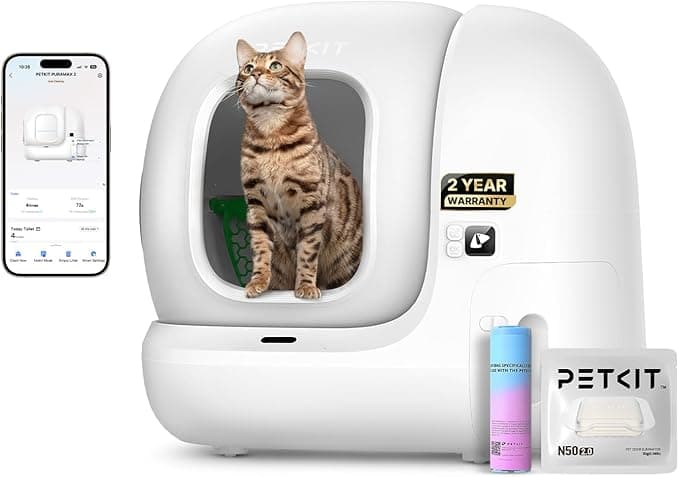
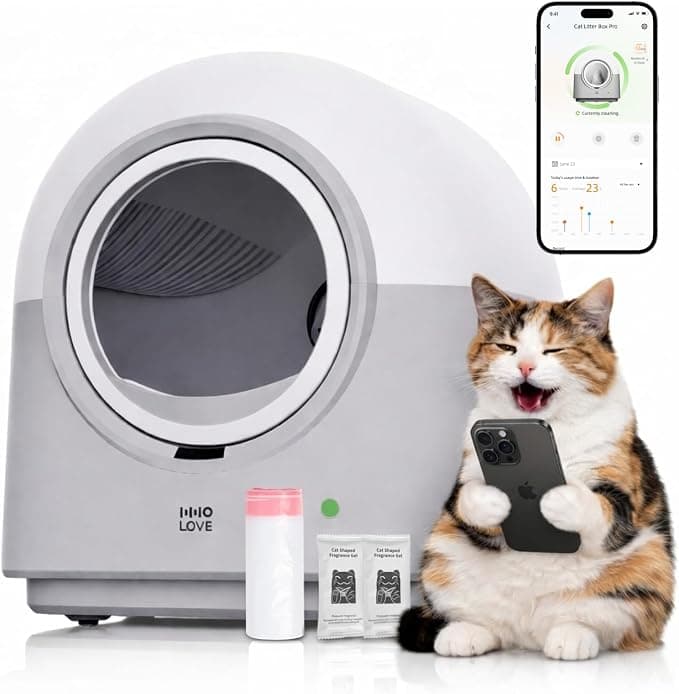
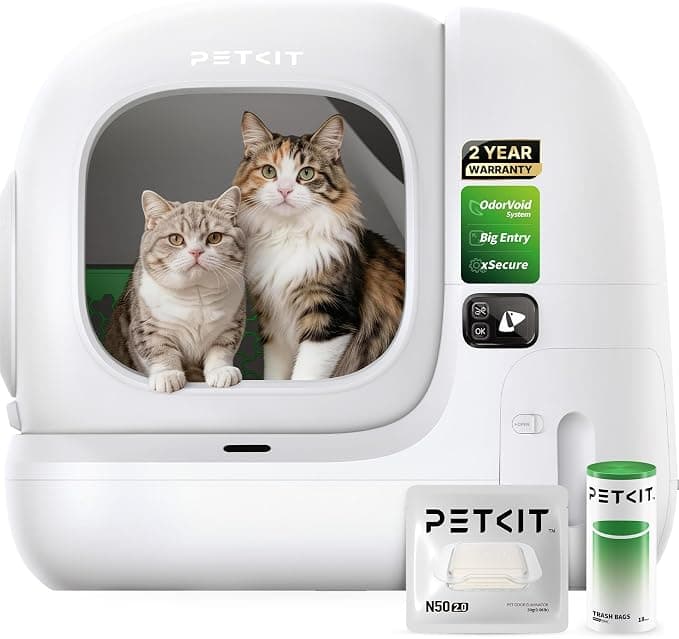
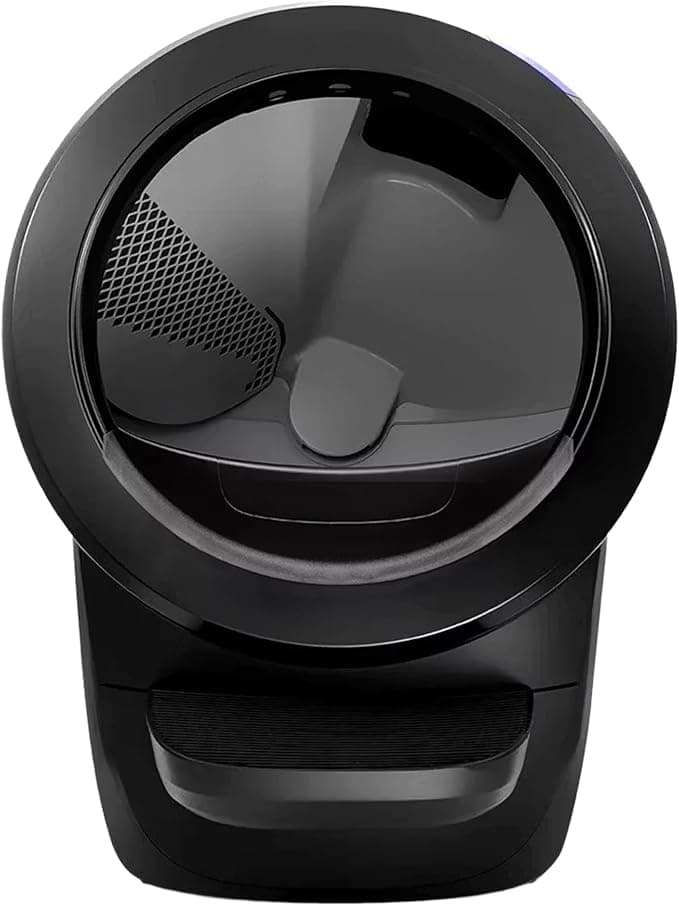
The single most important factor is safety sensor design, because these machines run a rotating or sifting mechanism around a living animal. Look for multiple, redundant systems — weight sensors that detect a cat is inside, infrared or radar motion detection, and anti-pinch mechanisms that stop the cycle the instant something unexpected happens. Models like the PETKIT PuraMax 2 and the HHOLOVE Self Cleaning Litter Box both layer several of these systems together rather than relying on just one, which is the difference between a machine you trust and one you watch nervously.
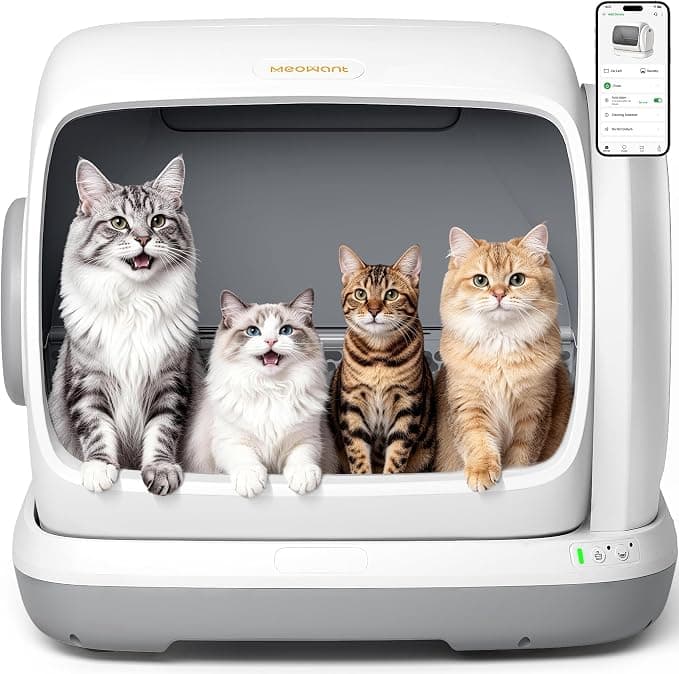
Capacity and odor control come next, and they're related: a bigger waste drawer means longer stretches between emptying it, but only if the seal actually holds. Look for a genuinely sealed waste bin — carbon filters, silicone gaskets, or a patented sealing design like the seamless base on the PuraMax 2 — because a self-cleaning box that still smells has failed at its one job. Multi-cat households should pay particular attention to interior size and rated cat-weight range; a box sized for one cat will jam, overflow, or simply get avoided in a two- or three-cat home.
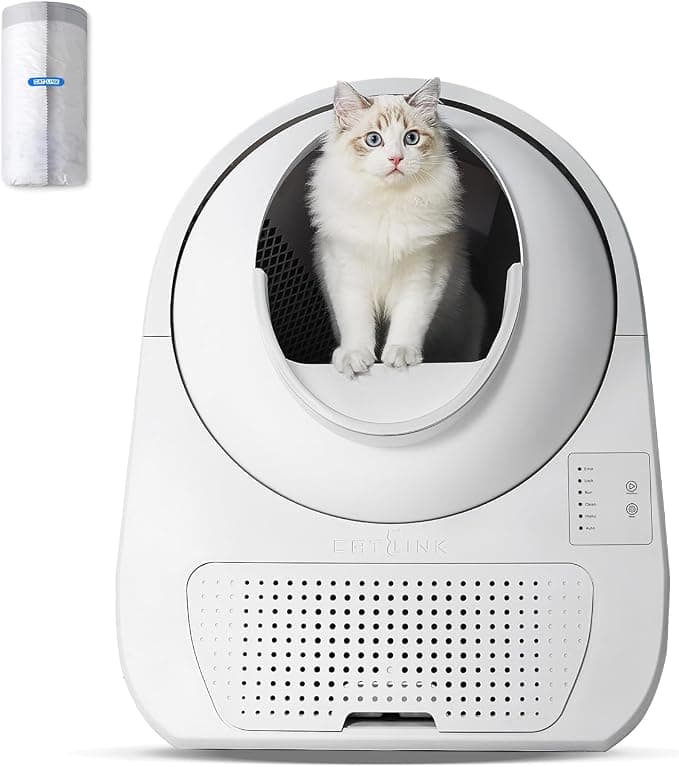
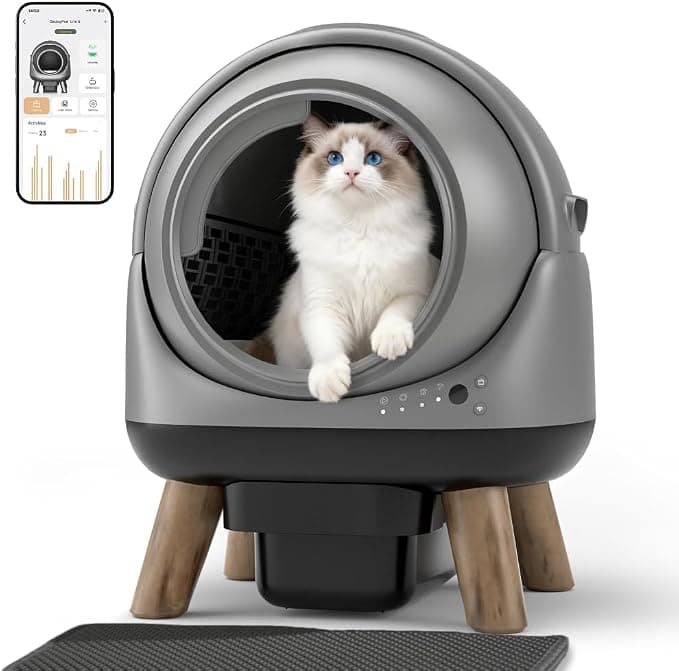
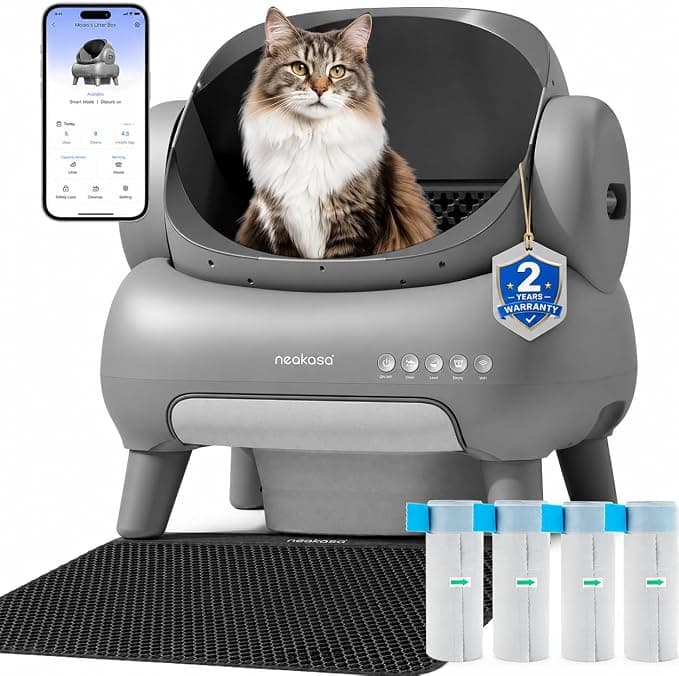
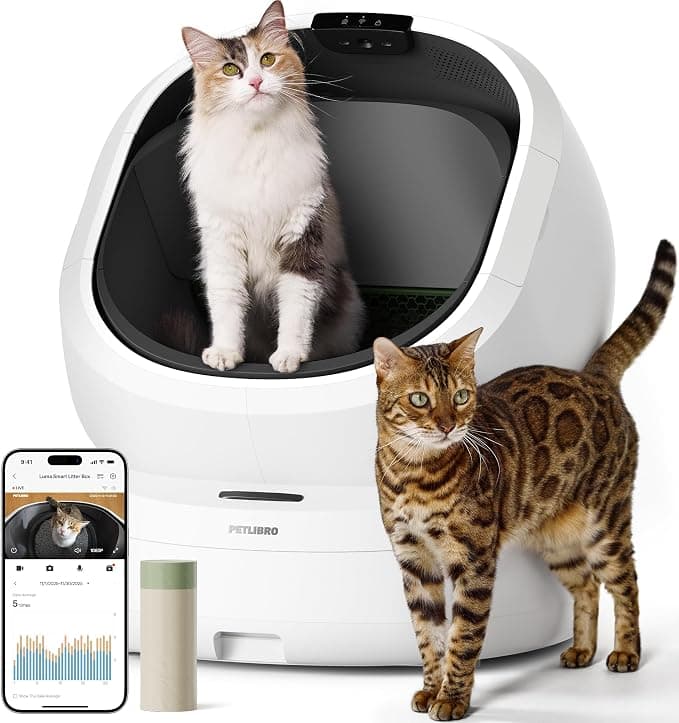
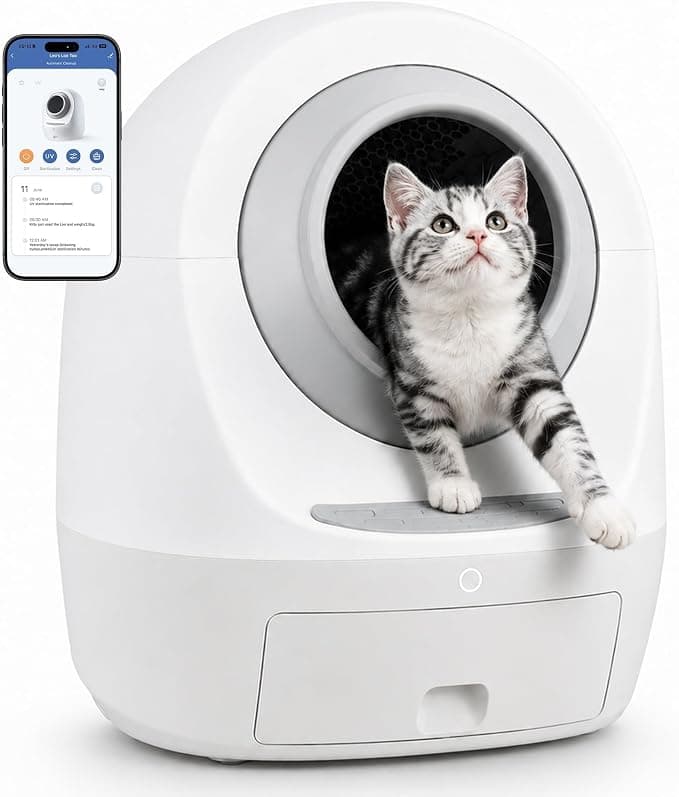
App connectivity is where this category splits into two real camps. Connected models, such as the PETLIBRO Luma with its AI waste-monitoring camera, track usage patterns, weight trends, and cleaning cycles remotely, which can surface early warning signs of a urinary or kidney issue long before it becomes an emergency vet visit. Other models, like the CATLINK Auto Cat Litter Box, deliberately skip Wi-Fi and apps entirely, arriving fully assembled and requiring nothing more than a wall outlet — a real selling point for anyone who doesn't want another smart-home account to manage. Neither approach is wrong; it depends on whether health tracking data is worth the setup to you.
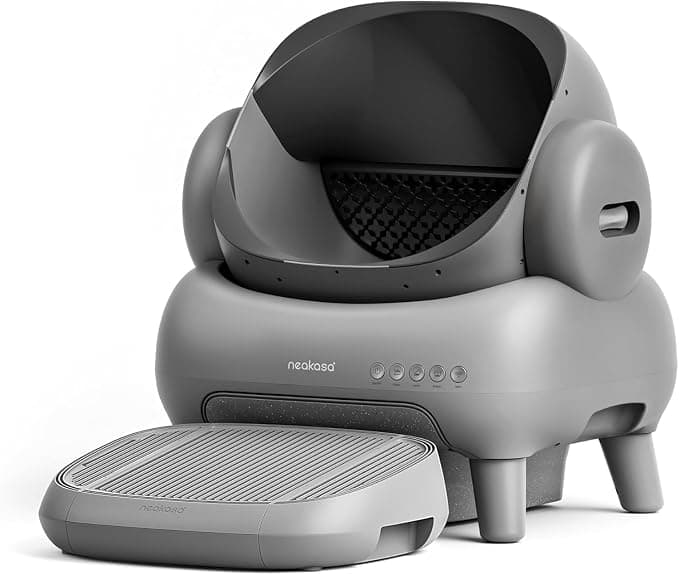
The mistake buyers make most often is assuming a bigger price tag automatically means a better machine, when in practice it usually means more sensors, a bigger interior, or connected features — not necessarily better core cleaning performance. The second common mistake is ignoring cat temperament entirely: a nervous or older cat may do better with an open-top design that never fully encloses them, while a confident multi-cat household might prioritize waste capacity and odor sealing over open sightlines. Reading a few real cat-owner reviews for temperament fit matters more here than almost any spec on the box.
We scored every unit in this lineup on a weighted composite of customer ratings, review volume, price-to-feature value, and how richly equipped each machine is relative to the rest of the field. The strongest performers pair dependable safety sensors with real capacity and odor control, whether or not they add a screen and an app on top. Below, we break down all eleven, starting with the pick that balanced safety, capacity, and value best across the board.