The carry-on is the single most important piece of travel gear you own. Get it right and you skip baggage claim forever — get it wrong and you''ll fight with broken zippers, jammed wheels, and gate agents enforcing size rules at the worst possible moment. The good news: the category has matured. A $90 Samsonite from 2026 outperforms a $250 premium bag from 2018, and the gap between mainstream brands and DTC darlings like Away is mostly about marketing.
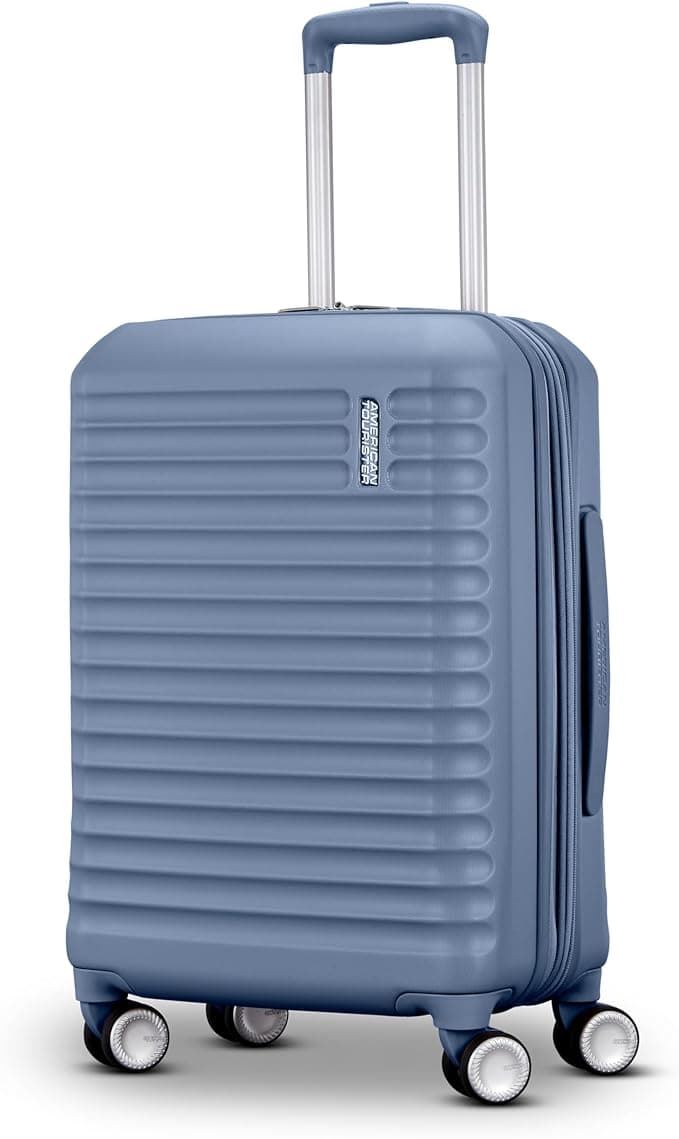
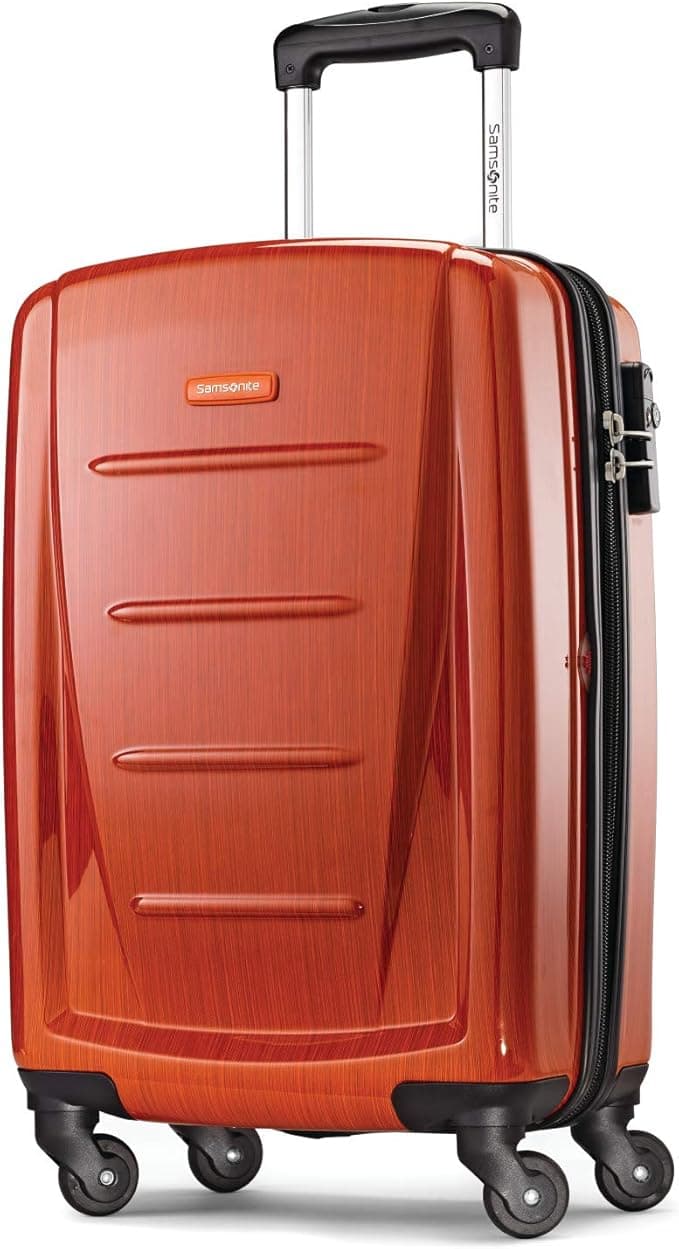
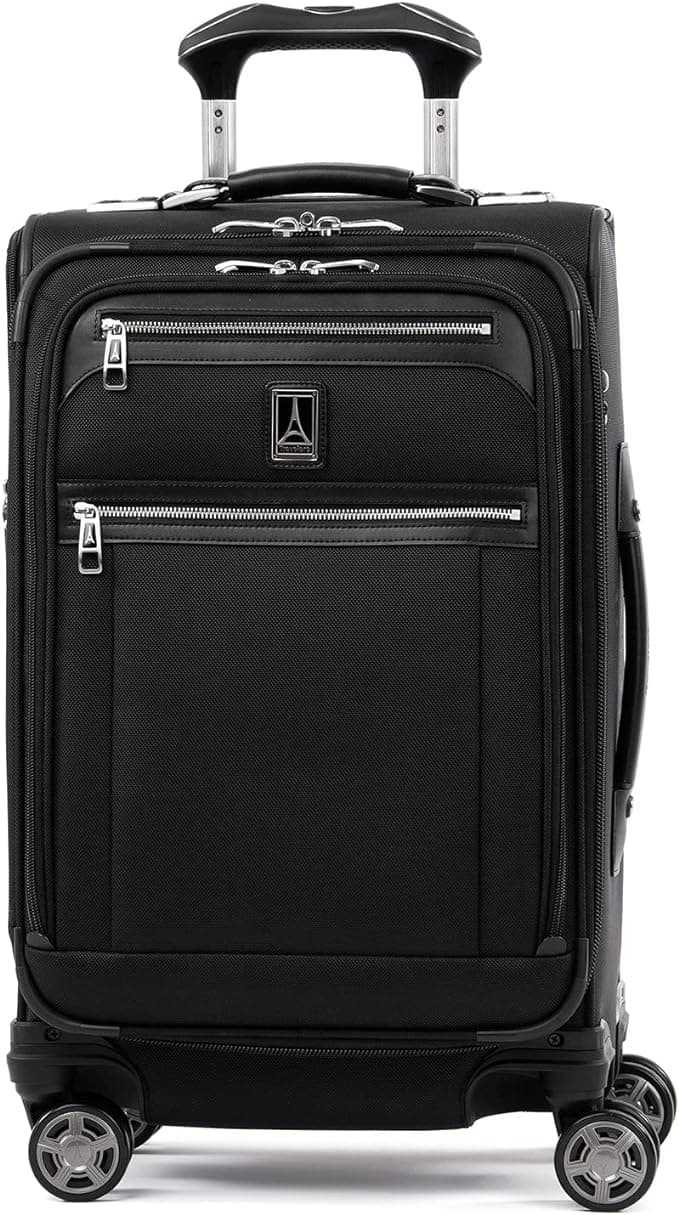
Airline size compliance is decision number one and the spec everyone gets wrong. US carriers (United, Delta, American, Southwest) cap carry-ons at 22 x 14 x 9 inches external dimensions — and "external" means including wheels and handles, not just the case body. A bag advertised as "21-inch carry-on" might measure 23.5 inches with wheels and get sized at the gate. The Samsonite Winfield 2 and American Tourister Stratum 3.0 are both honest about their overall dimensions; the Travelpro Platinum Elite is right at the limit when fully expanded. Budget airlines (Spirit, Frontier, European low-cost) have stricter limits — closer to 22 inches total — that no full-size US carry-on meets without paying overage fees.
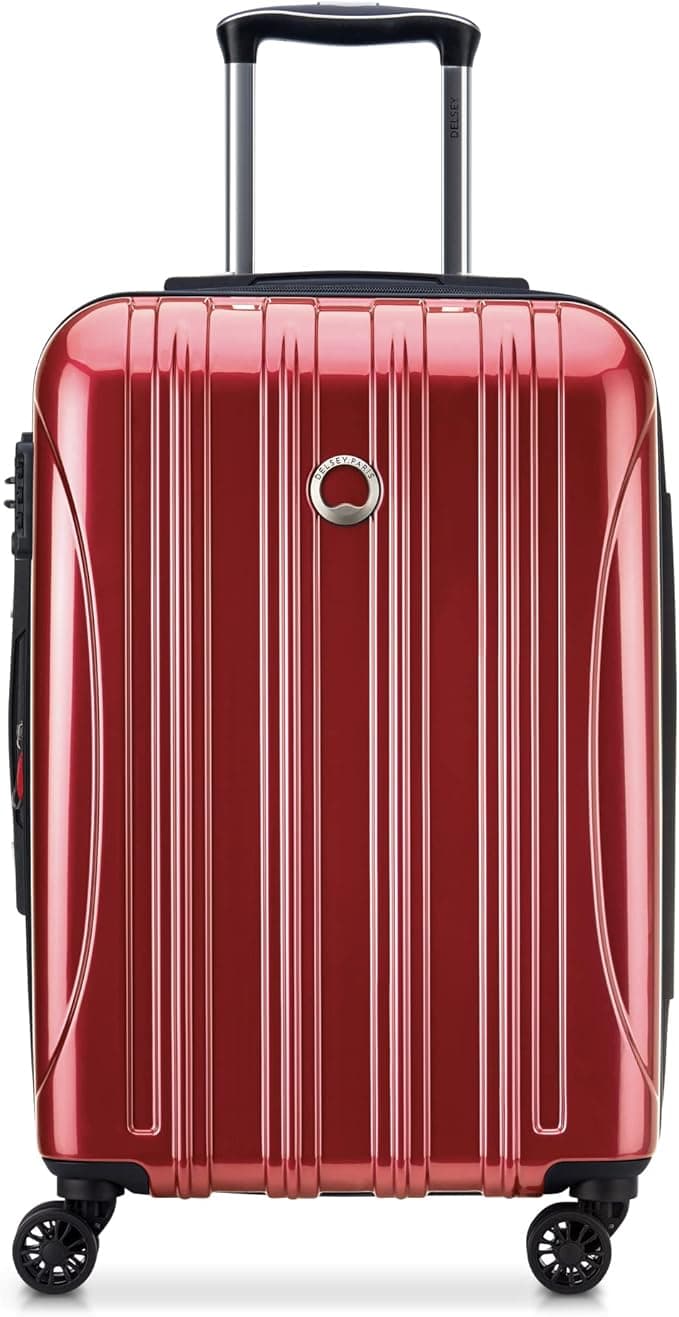
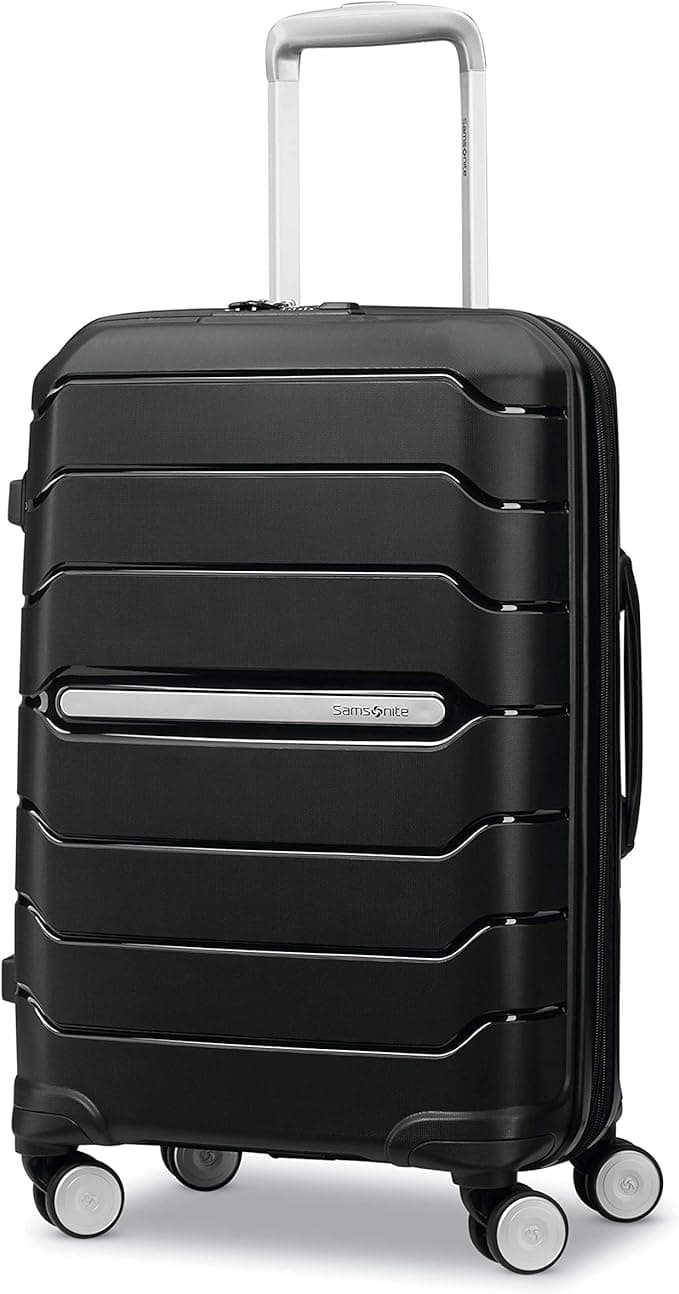
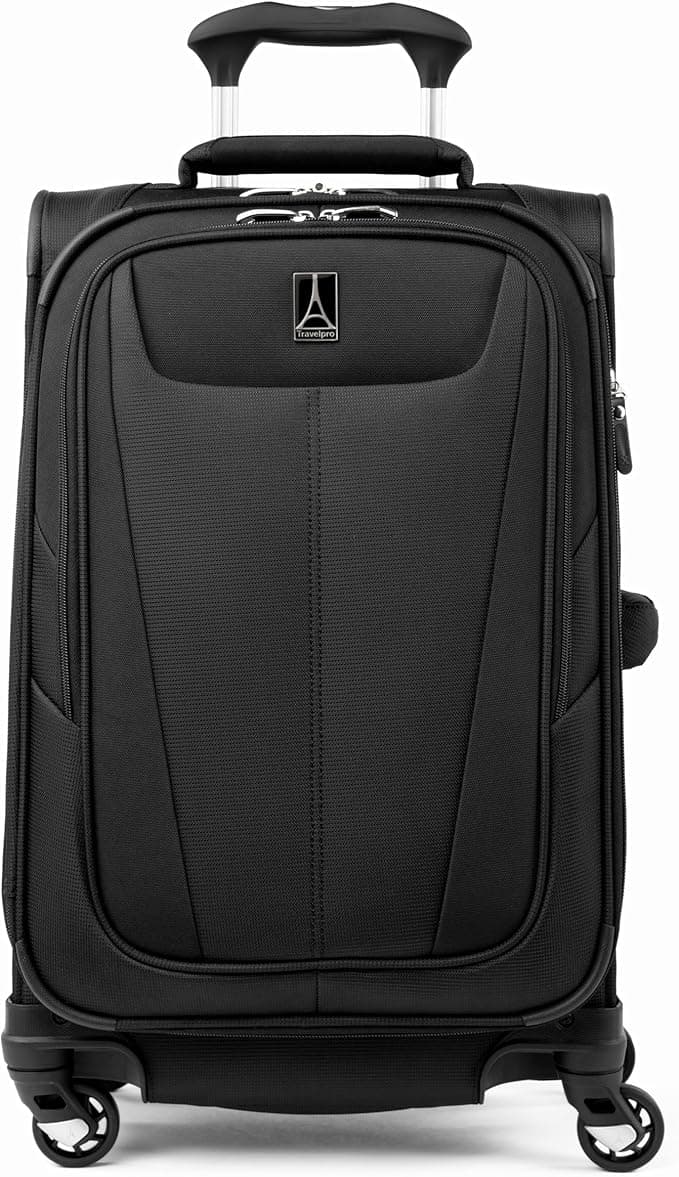
Hardside vs softside is the second fork and largely a preference call. Hardside (Samsonite Freeform, Delsey Helium Aero, American Tourister Stratum) protects fragile items better, wipes clean of airport grime, and looks new for longer. Softside (Travelpro Maxlite 5, Travelpro Platinum Elite) packs more efficiently because the fabric flexes around contents, has expandable exterior pockets for laptops and water bottles, and weighs less. Flight crews almost universally pick softside — see them rolling Travelpro in any US airport — because they''re packing daily and need maximum capacity.
Weight matters more than buyers think. The lightest unit in our lineup is the Travelpro Maxlite 5 at 5.4 lbs; the heaviest premium hardside hits 7.5+ lbs. Two-pound differences feel trivial in the store and very real after three flight connections lifting the bag into overhead bins. If anyone in the household has shoulder or wrist issues, the Maxlite is the right answer regardless of price tier. Also worth knowing: some international carriers (especially in Asia and Europe) enforce weight limits on carry-ons (7-10 kg typical), making lighter bags meaningfully more usable on those routes.
Wheels and handles are where cheap bags fail first. 4-wheel 360° spinners are now standard; the upgrade is whether the wheels are replaceable (premium brands like Travelpro and Briggs & Riley) or molded into the case (most budget hardsides, including parts of the Samsonite lineup). Telescoping handles should have multiple stop heights and the rod should sit flush with the case when retracted — premium bags don''t have the handle rattle that plagues sub-$80 units.
Warranty is the silent value spec. Samsonite offers 10 years limited, Delsey offers 10 years limited, American Tourister offers 3 years, and Travelpro offers a Limited Lifetime Warranty plus Trusted Companion Promise that covers airline-caused damage for the original purchaser. If you fly more than 10 times a year, the Travelpro warranty math alone justifies the premium.
The biggest mistake we see: buying the cheapest carry-on for a "we don''t fly much" household, then replacing it after two years when the wheels break — and the cumulative cost exceeds a Travelpro you''d still own a decade later. Conversely: buying the $400 Platinum Elite for a household that flies twice a year, when the $90 Winfield 2 covers the use case perfectly.
Our rankings combine rating (40%), review volume (15%), value relative to category (20%), feature density (20%), and recency (5%) into a single composite score. We don''t physically fly with these — we score them based on what real buyers report and what the spec sheets promise. Here are the six carry-on suitcases worth your attention in 2026, from a budget hardside under $80 to a premium feature-loaded softside flagship.