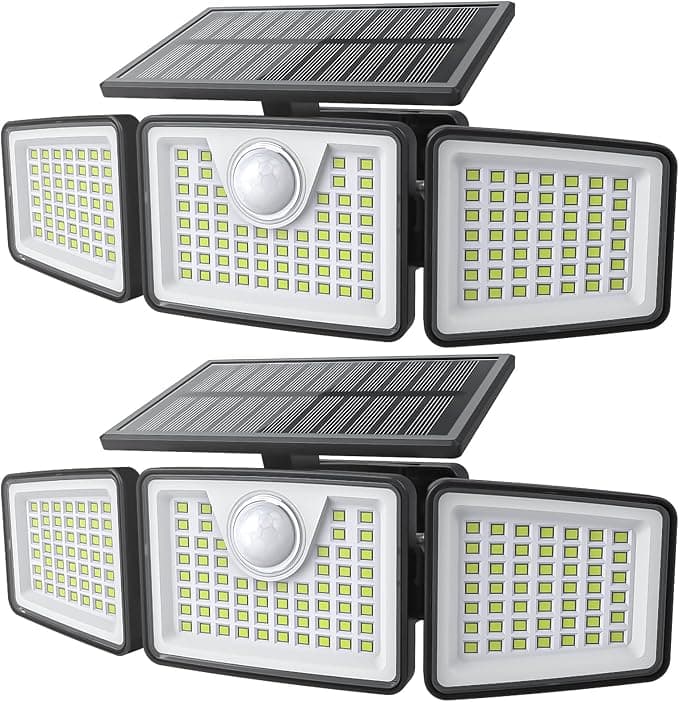
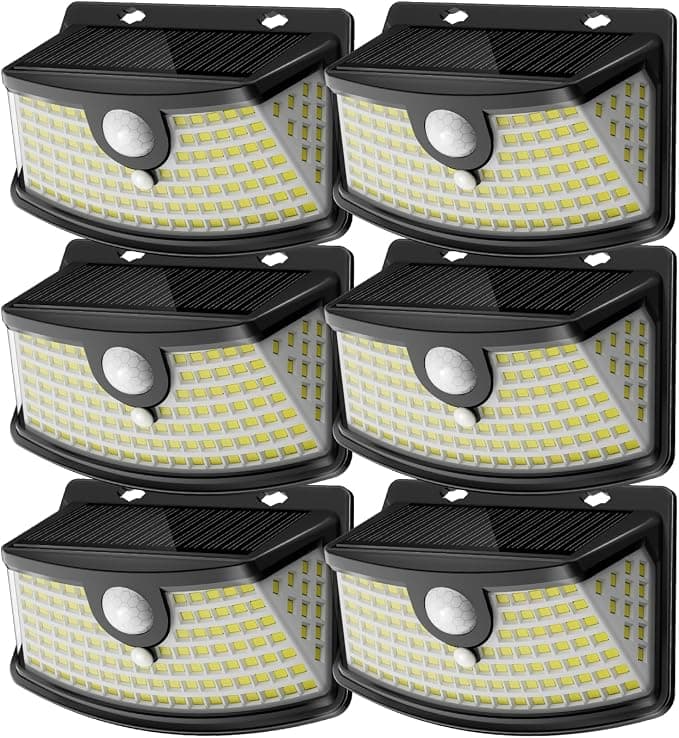
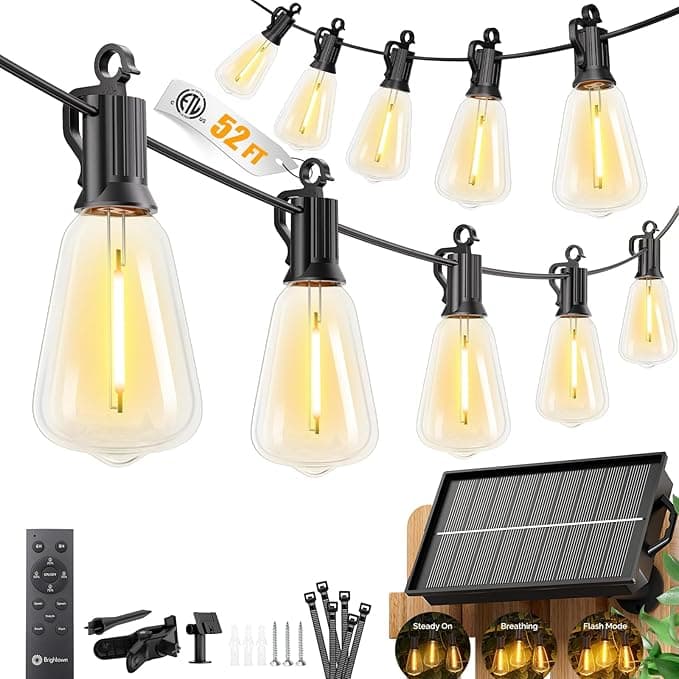
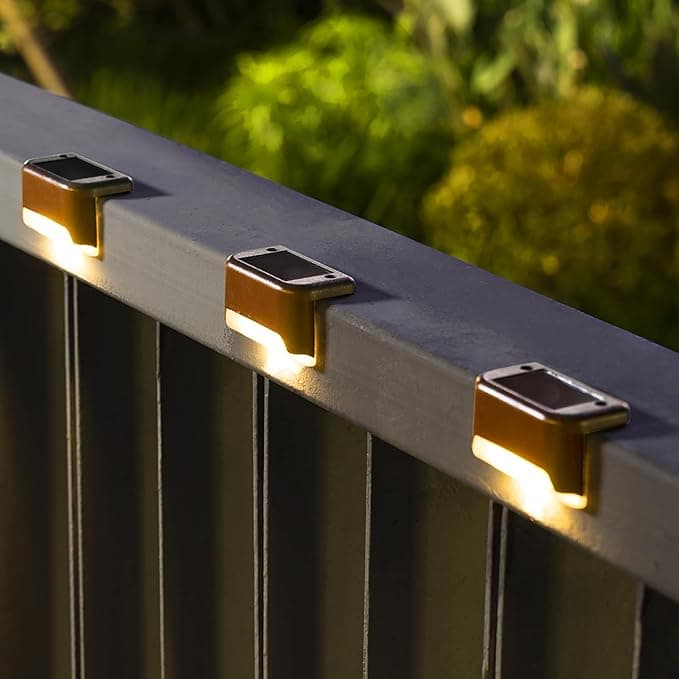
Outdoor solar lights split into four completely different categories — and buying the wrong type for your use case is the number-one reason people conclude "solar lights don''t work." A decorative fairy light won''t secure a driveway. A 2500-lumen motion floodlight will blind your dinner guests. Match the type to the job.
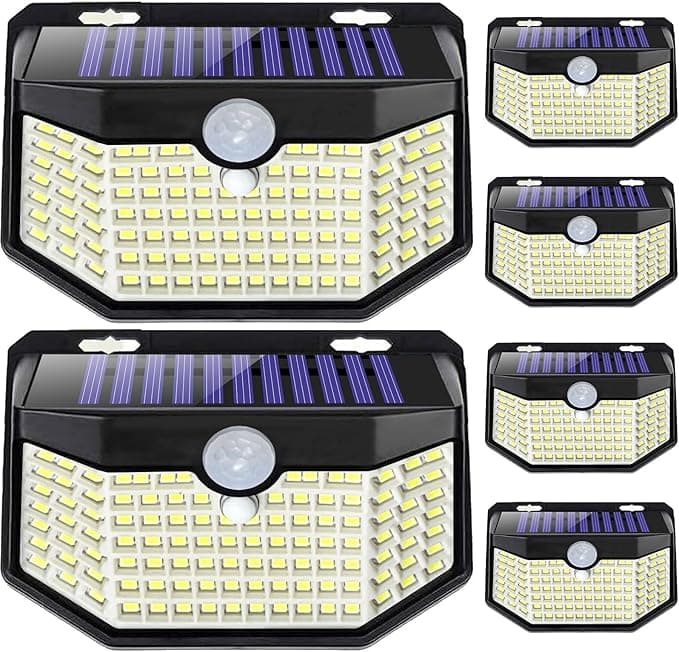
Security and motion lights (like the HMCITY, Aootek, and daphino picks) use bright cool-white LEDs (5000-6500K) triggered by motion sensors. Best mounted 6-8 feet high on walls, fences, or the sides of garages. Look for PIR motion sensors with at least 20-foot detection range, IP65 waterproofing, and three-mode operation (motion-only, constant-dim, or dim + motion boost). The three motion lights in our lineup share the same general architecture but differ in brightness (daphino''s 2500 lumens leads) and reviewer trust (HMCITY has 68,000+ reviews, the deepest in the entire lineup).
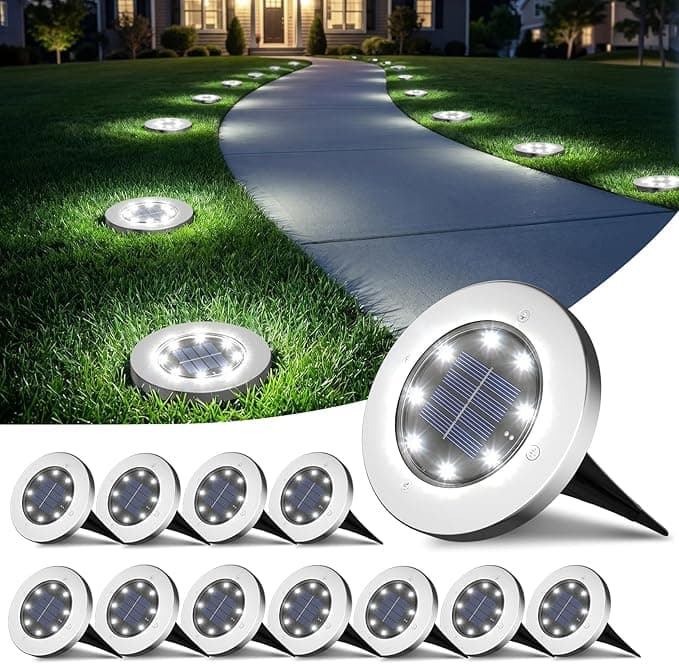
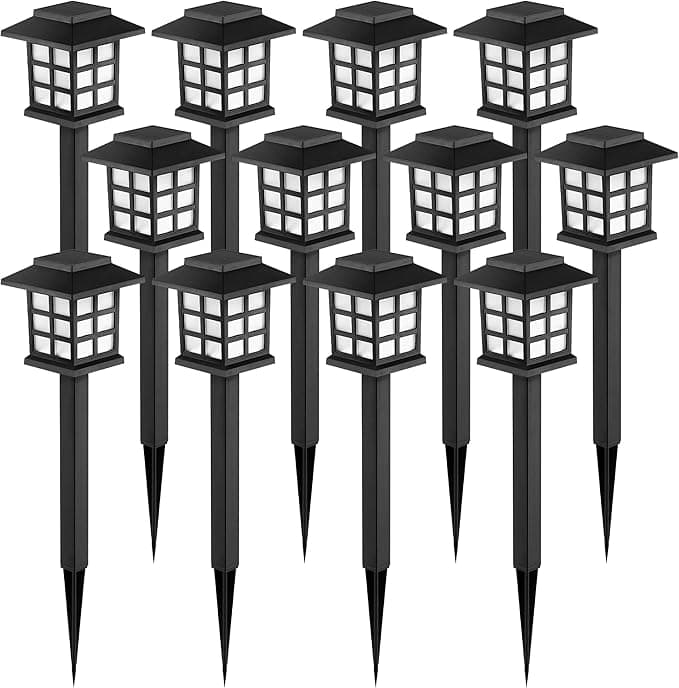
Pathway and garden lights (like the SOLPEX, INCX, and GIGALUMI picks) are stake-mounted ambient lights that guide feet along walkways or accent flower beds. These use warm white (2700-3000K) for pathway-friendly ambiance or cold white (5000K) for a modern look. Bulk-packs (12-16 units) are the norm because pathway lighting spacing needs multiple units. Cheap pathway lights are the biggest solar lighting failure — panel and battery quality determines whether these last one season or five.
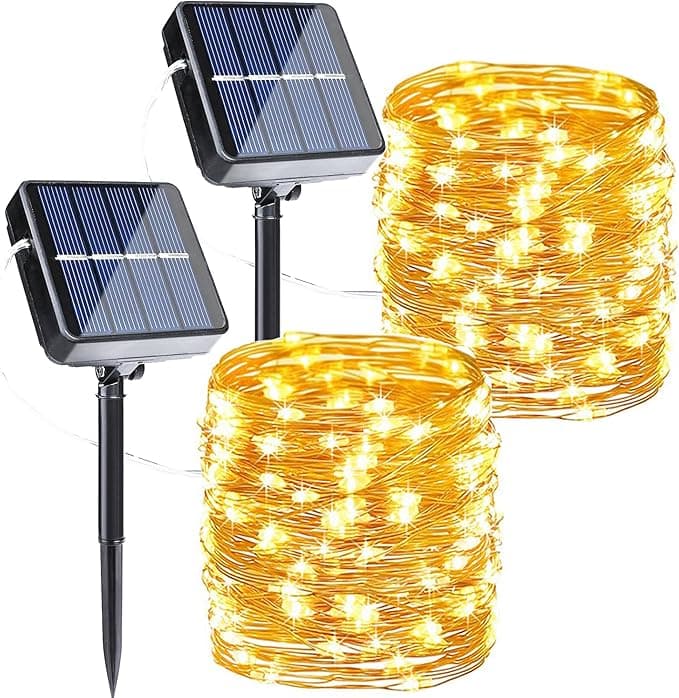
String lights and fairy lights (like the Brightown 52-ft string and Joomer fairy lights) turn pergolas, patios, fences, and trees into ambient outdoor rooms. Look for shatterproof bulbs, IP65 or better waterproofing, dual solar/USB charging (so cloudy days don''t kill the vibe), and multi-mode operation (steady, twinkle, chase, etc.). String lights are the most likely to be used seasonally — you can put them up for a summer party and take them down in October.
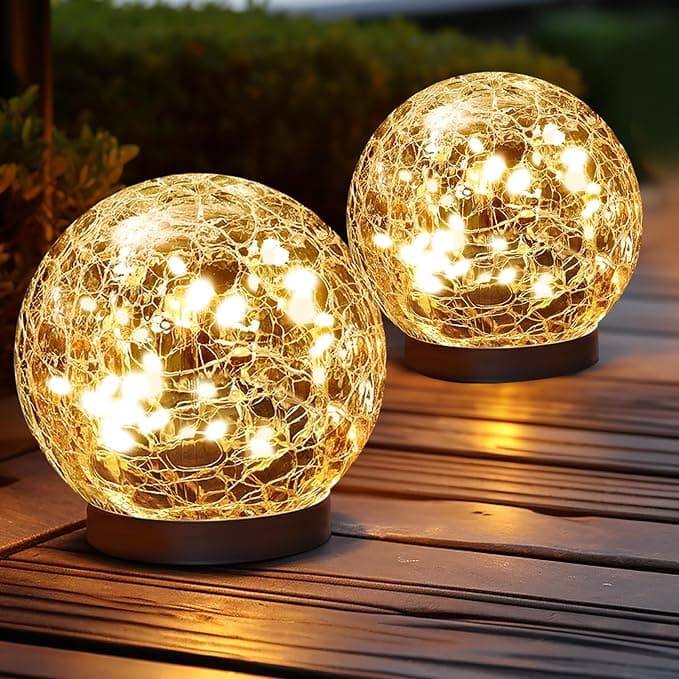
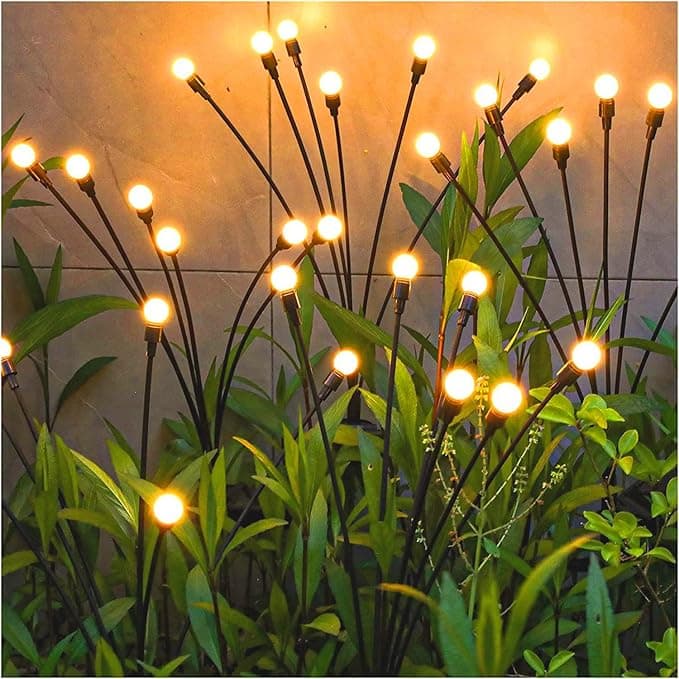
Decorative accent lights (like the TONULAX swaying firefly lights and JKIMK glass globe lights) exist purely for aesthetic — they don''t illuminate paths or secure areas, they''re yard sculpture that happens to glow. Perfect for garden beds, borders, or ornamental focal points.
A few overlooked specifics that determine whether your solar lights last three months or three years:
Battery quality and replaceability matter more than any other spec. Sealed batteries mean the whole light is disposable when the battery dies (usually 1-2 years). Look for AA or AAA replaceable NiMH batteries when possible — the Joomer, INCX, and GIGALUMI picks all use replaceable cells. Sealed lithium-ion is fine for premium units like the daphino but factor in 2-3 year replacement.
Panel placement determines runtime. No solar light works if it doesn''t get 6-8 hours of direct sun per day. Match your yard''s actual sun exposure to the light''s spec — if your only sunny spot is 4 hours, runtime will halve. Motion sensor security lights with separate cable-connected panels (not tested here but worth considering for shaded eaves) give you placement flexibility standard integrated units don''t.
IP rating differences are real. IP65 handles rain and hose water — enough for anything but flood conditions. IP67 or IP68 handles submersion — matters if the light lives near sprinklers or in a flood-prone spot. All 10 picks in our lineup carry at least IP65.
The scoring methodology weighs customer rating heavily, then balances reviewer volume, value, and feature density. The decorative picks rank highest not because they''re "better" — they''re just the cheapest and hit strong review scores. For actual security and pathway lighting, read the individual summaries and match the type to your real yard.