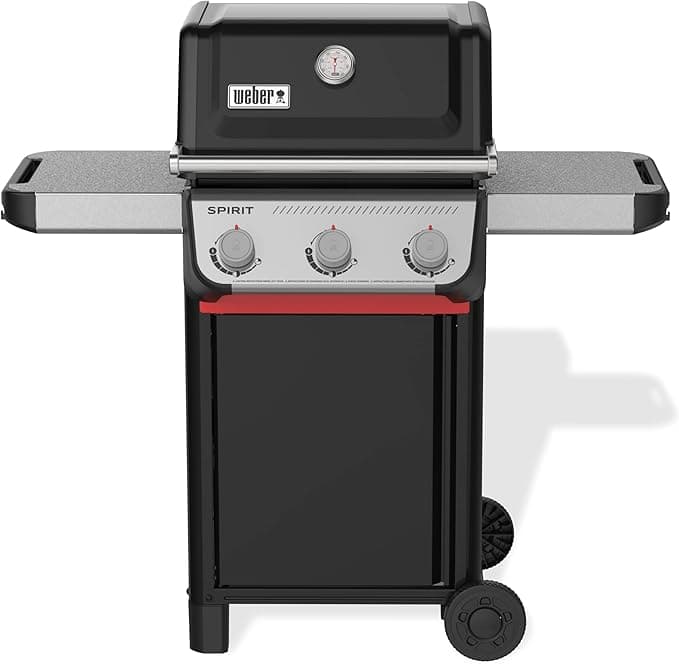
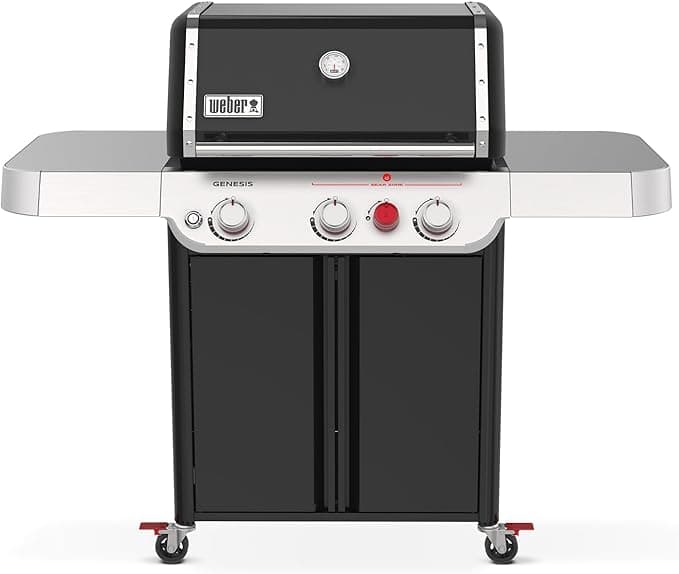
Gas grills are the appliance most American homeowners shop for around Memorial Day and regret picking the wrong one all summer. The market is sharply tiered — sub-$200 budget grills handle weekend burgers, $400-700 mid-tier units like the Weber Spirit E-310 become the family workhorse for a decade, and $900+ flagships like the Weber Genesis E-325 are bought once and passed down. The trick is honestly assessing which tier fits your grilling cadence, not your aspirations.
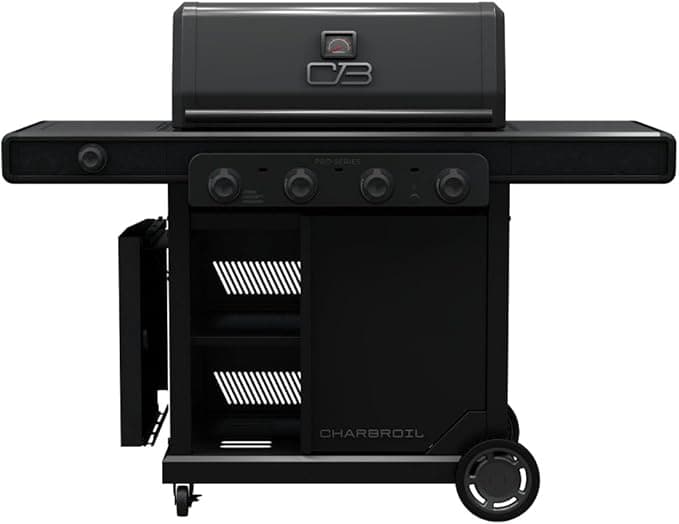
Burner count and BTUs are the first decision. A 3-burner setup handles most households — you get a low/medium/high zone for indirect cooking, searing, and warming. 4-burner units like the Char-Broil Pro Series Amplifire make sense if you regularly grill for 6+ people or want a dedicated side burner for sauces and sides. Total BTUs matter less than BTU-per-square-inch — most efficient grills land around 80-100 BTU/sq in. Higher isn''t better; it just means more propane consumed.
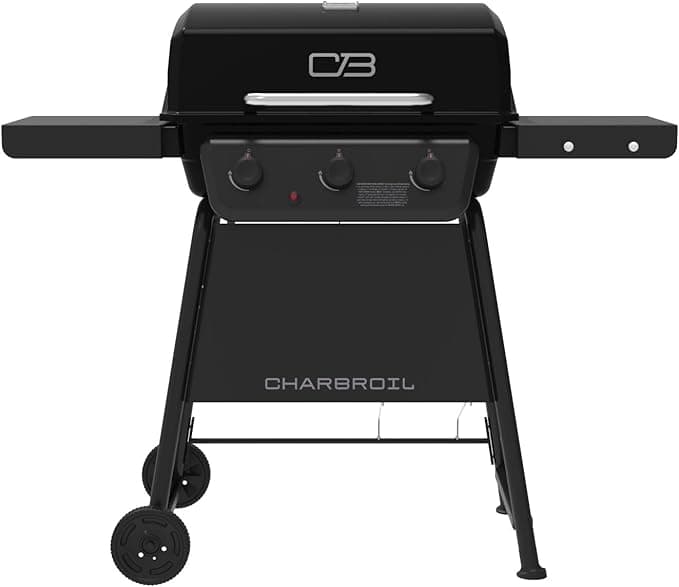
Grate material is where cheap grills cut corners and quality grills earn their reputation. Porcelain-enameled cast iron (Weber Spirit, Genesis, and the Char-Broil Pro Series) retains heat best, produces the cleanest sear marks, and lasts 10+ years if you season it. Porcelain-coated steel (the budget Char-Broil Classic) heats faster but holds less heat and shows wear sooner. Stainless steel grates look premium but conduct heat poorly — they''re what mid-tier brands use when they want a "stainless" marketing checkbox without paying for cast iron.
Ignition system sounds boring until your push-button ignition dies after a year and you''re lighting burners with a stick lighter. Electronic ignition (battery-powered) is more reliable than piezo (mechanical click) but adds a maintenance point. Weber''s Snap-Jet ignition system on the Spirit and Genesis lines is consistently rated the most reliable in the category — it''s a real reason to pay the Weber premium.
Sear zone or infrared is a specialty feature for steak-focused households. The Genesis E-325''s dedicated sear zone hits 700°F+ for restaurant-style crust. The Char-Broil Pro Series uses Amplifire infrared technology, which works differently — radiant heat from below the grates instead of direct flame, which Char-Broil claims reduces flare-ups while increasing sear. Both work; both add cost. If you''re grilling chicken and vegetables 80% of the time, neither matters.
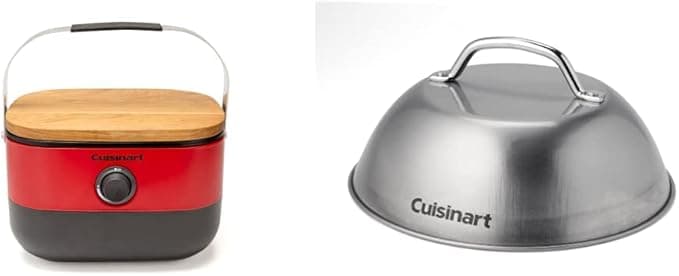
Portable vs full-size is the last fork. Portable units like the Cuisinart Venture are 1-burner, sub-200 sq in cooking surfaces designed for camping, tailgating, balconies, or apartment patios where building codes restrict propane tanks above 1 lb. They''re not "second grills" — they''re purpose-built for transport. Don''t buy one expecting to feed a family of four on a weekend.
The biggest mistake we see: buying the Genesis for prestige when the Spirit delivers 90% of the cooking experience for half the price, or going budget on a $150 grill that rusts through after two seasons of patio exposure. Match the tier to your actual grilling frequency: weekend-only? Budget tier. Weekly all summer? Mid-tier. Year-round serious? Flagship.
Our rankings combine rating (40%), review volume (15%), value relative to category (20%), feature density (20%), and recency (5%) into a single composite score. We don''t physically grill on these — we score them based on what real buyers report and what the spec sheets promise. Here are the five gas grills worth your attention in 2026, from a budget patio 3-burner to a premium 4-burner cabinet with infrared technology.