Outdoor mosquito control has splintered into four completely different approaches, each with a very different premise. Understanding which one fits your situation matters more than picking the "best" of any single approach — a device that's perfect for a Vermont screened porch will be useless for a Louisiana half-acre backyard.
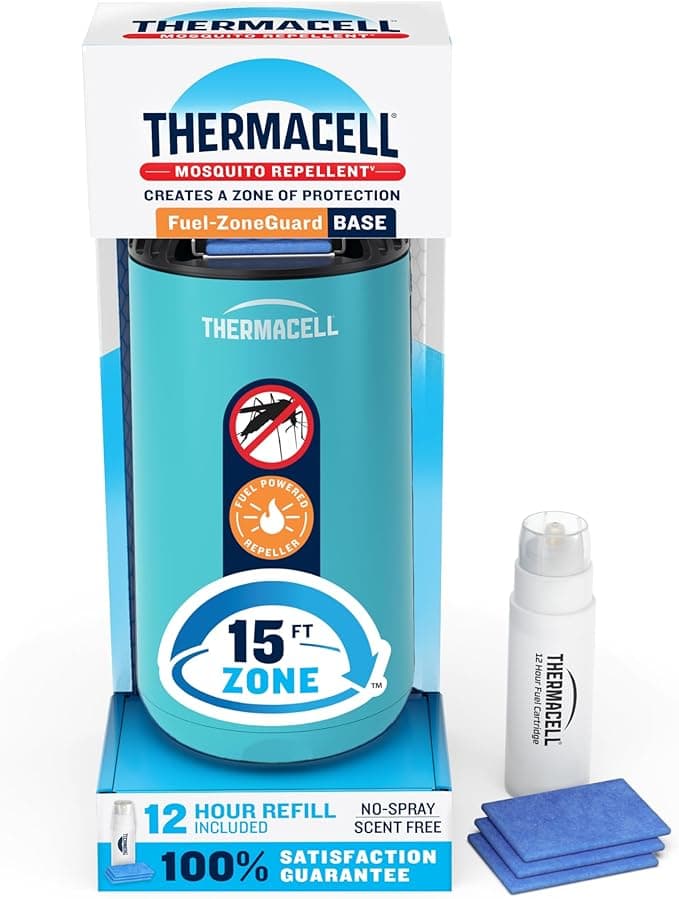
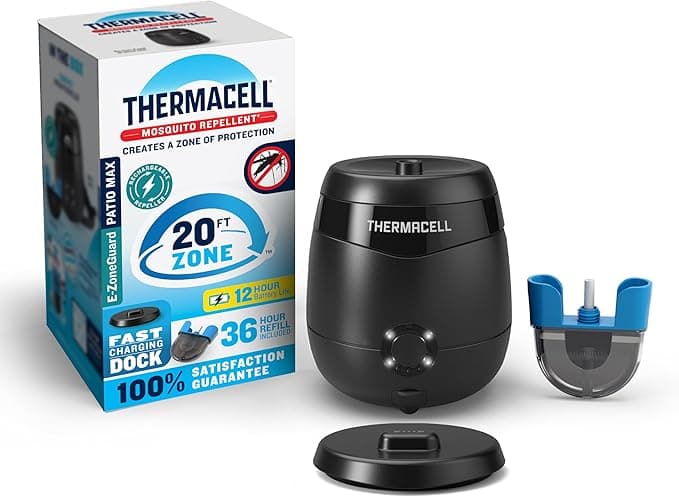
Repellers (like the Thermacell Fuel-ZoneGuard and E-ZoneGuard Patio Max) create a scent-free, invisible protection zone around you using heat-activated allethrin. They don't kill mosquitoes — they make a 15-to-20-foot bubble that mosquitoes actively avoid. Best for stationary use: sitting on a patio, watching a kid's soccer game, sitting around a fire pit. Thermacell dominates this category, and the 25-year track record shows in the tens of thousands of Amazon reviews.
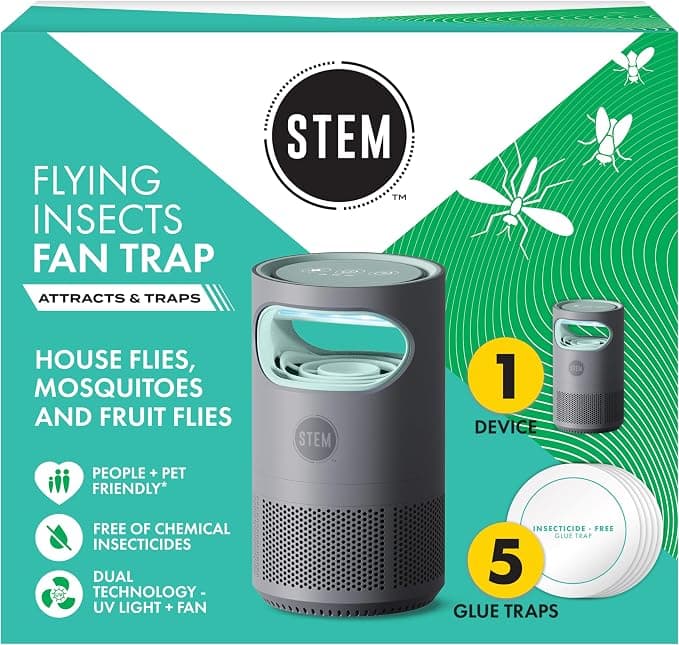
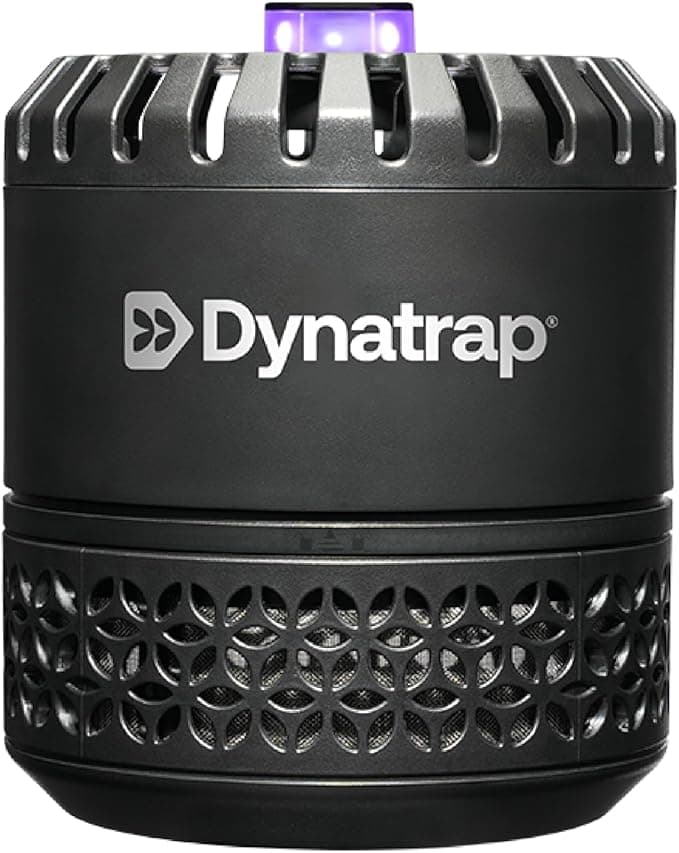
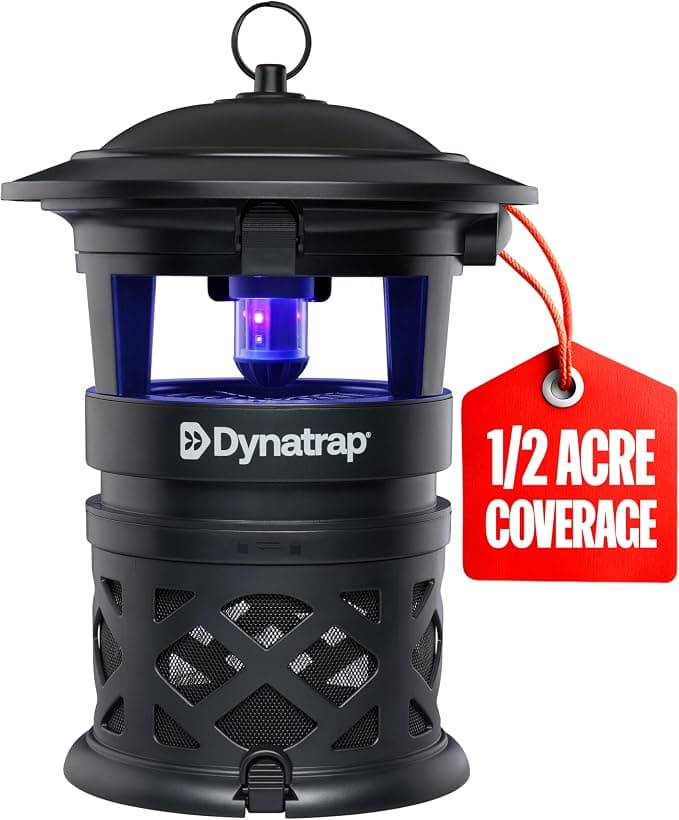
Traps (like the DynaTrap DT1130SR for outdoor and DT152 for indoor, plus the SC Johnson STEM fan trap) don't repel — they attract mosquitoes with UV light or CO2 and use a fan to suck them into a catch basket. Traps take days or weeks to meaningfully reduce local populations, but they work continuously in the background. Best for larger yards where reducing the overall breeding population matters more than protecting a single spot.
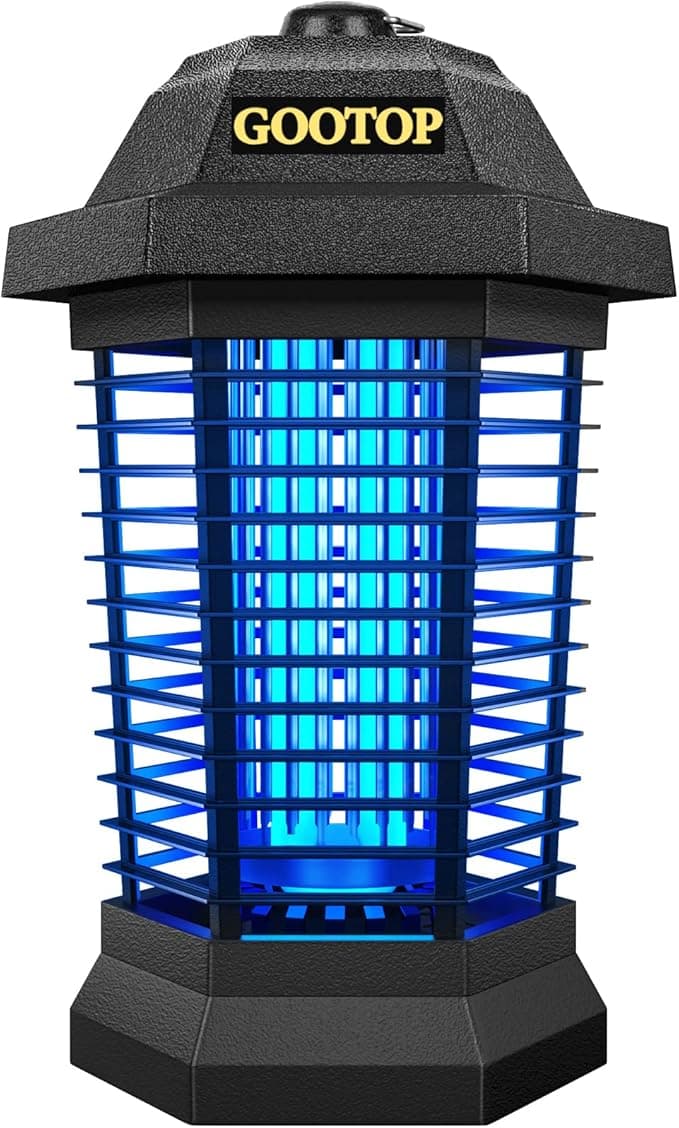
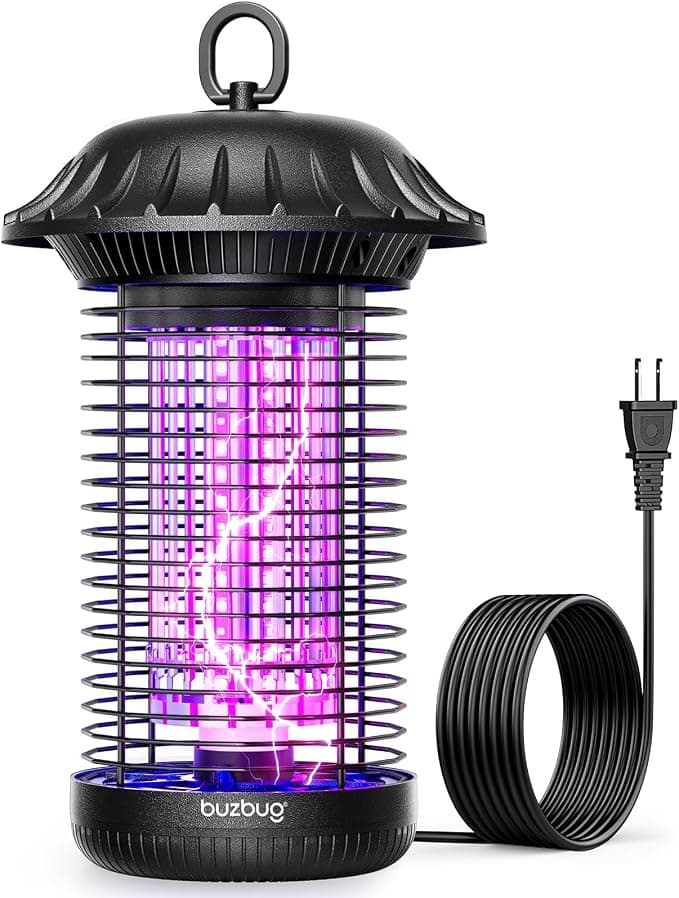
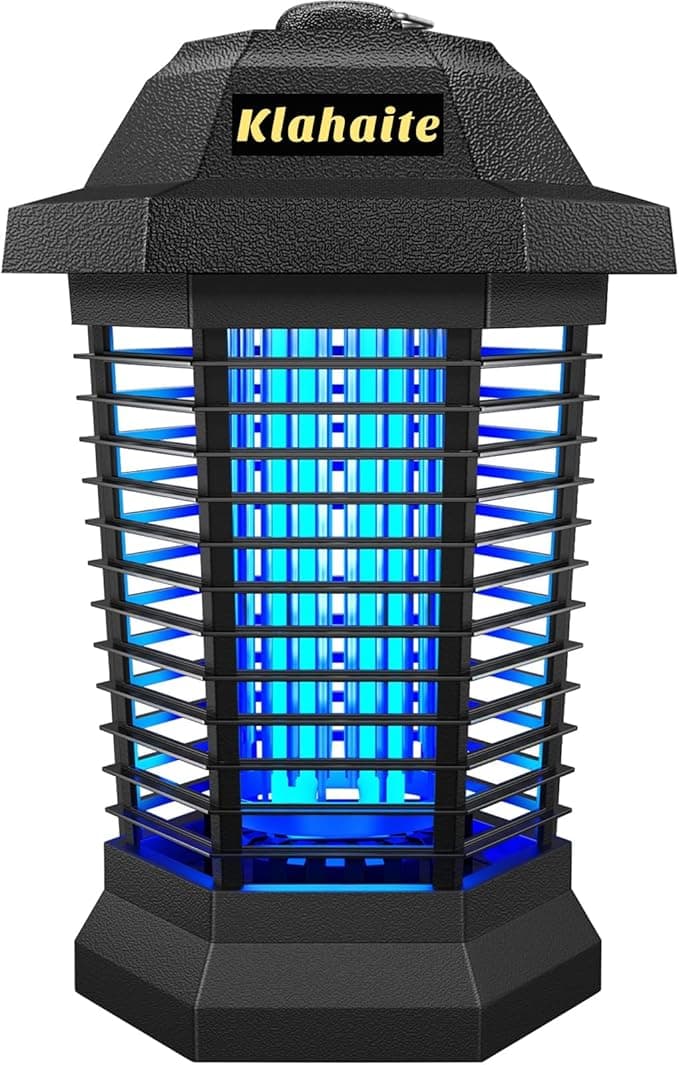
Bug zappers (like the GOOTOP Bug Zapper, Buzbug LED, and Klahaite) attract insects with UV light and kill them on contact with a high-voltage grid. The classic satisfying "zap" sound. Effective for a range of flying insects (not just mosquitoes), but research has shown zappers kill more beneficial insects than mosquitoes — worth weighing if you care about pollinators.
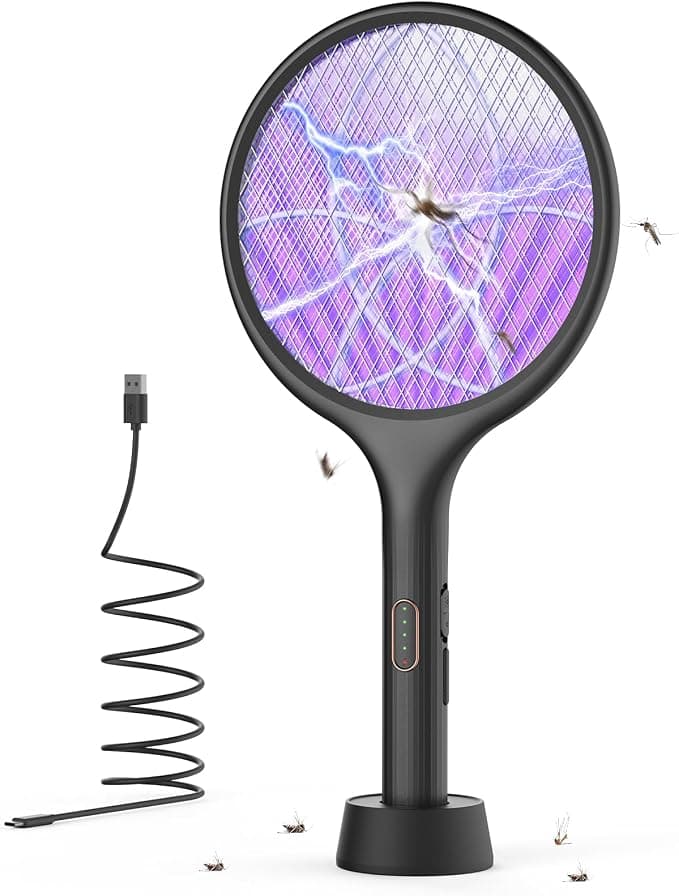
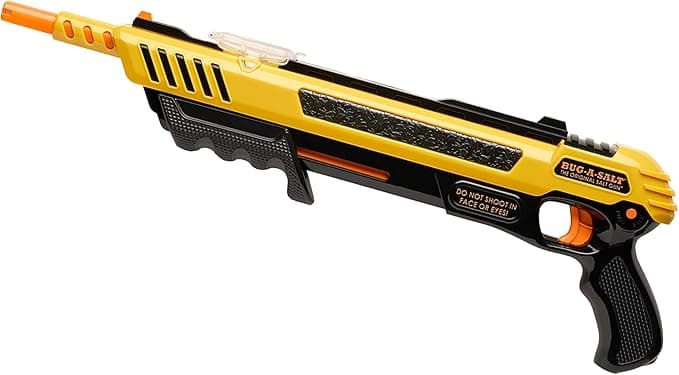
Handheld tools like the iconic BUG-A-SALT Yellow 3.0 salt gun and the YISSVIC Electric Fly Swatter are the individual-mosquito solution: you see one, you kill it. Not a systemic approach, but for house flies, wasps that get inside, and the occasional mosquito that broke through a zone repeller, they're satisfying and effective. BUG-A-SALT has over 8 million units sold worldwide for good reason.
A few overlooked specifics to weigh when choosing:
Coverage area matters more than any spec. A 15-ft repeller zone covers a couch and coffee table. A 20-ft zone covers most residential patios. A 1/2-acre trap covers a typical suburban backyard. Match the device to your actual footprint, not the biggest number.
Fuel/refill costs add up. Thermacell repellers need refills every 12-40 hours of run time depending on model. Traps often need attractant lures or glue cards refreshed monthly. Zappers are largely maintenance-free but the bulbs eventually die. Factor in the annual refill spend, not just the sticker price.
Weather resistance varies wildly. Outdoor zappers need weather ratings for rain. The Klahaite advertises flame-retardant ABS; the Buzbug LED runs 25,000-50,000 hours; the Thermacell E-ZoneGuard is TSA-compliant for travel. Cheap zappers left outside will die in one season.
Kid and pet safety. Thermacell repellers are EPA-reviewed and DEET-free — safe around families. Zappers electrocute on contact — kids need to be kept away from the grid. STEM by SC Johnson leans hardest into family-safe positioning with sticky glue traps instead of chemicals or electricity.
The scoring methodology weighs customer rating heavily, then balances reviewer volume, value, and feature density. The top picks tend to combine strong customer ratings with battle-tested reviewer trust on Amazon — worth reading the individual summaries to see whether a novelty tool like BUG-A-SALT actually fits your situation or whether you need a proper repeller or trap.