Stand mixers are one of the rare kitchen appliances you buy once and use for 20 years. The category is also unusually KitchenAid-dominated — for good reason, but not for the reason most people assume. The brand''s reputation was built on bombproof metal construction and a power hub that takes pasta rollers, meat grinders, ice cream makers, and dozens of other attachments. Whether you actually need that ecosystem is the first question to ask before spending $500.
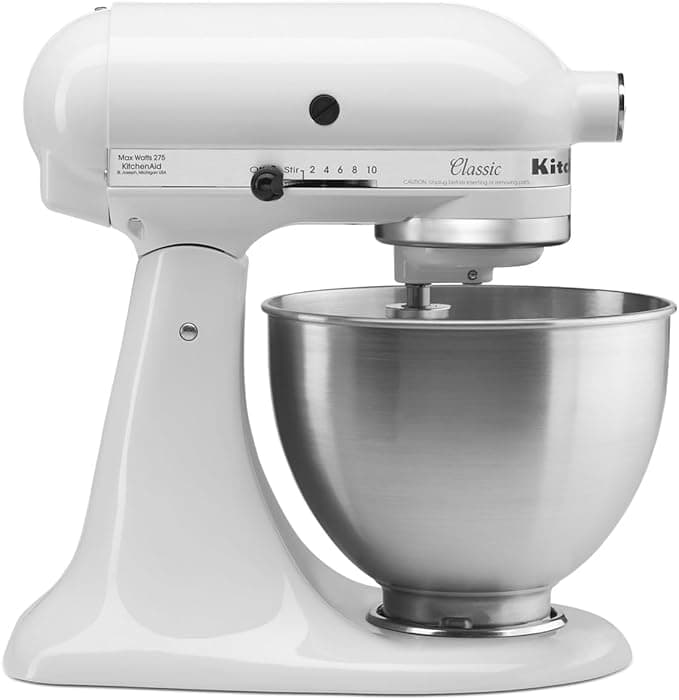
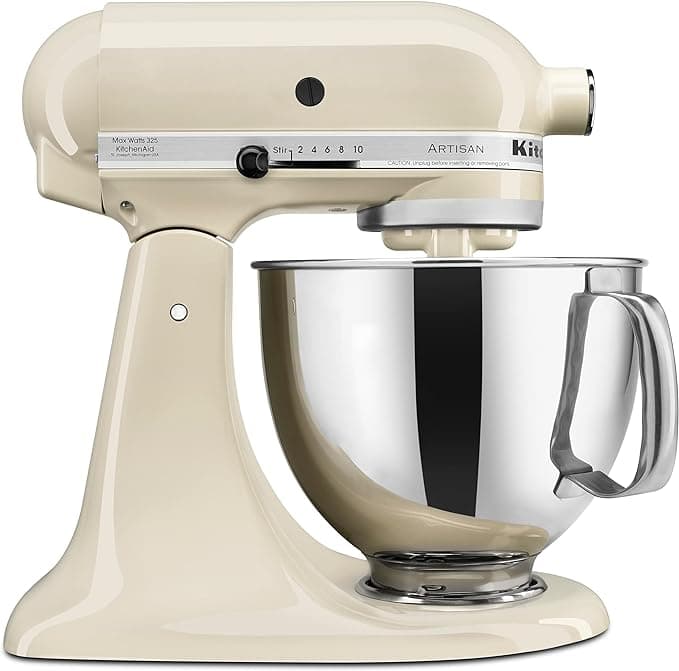
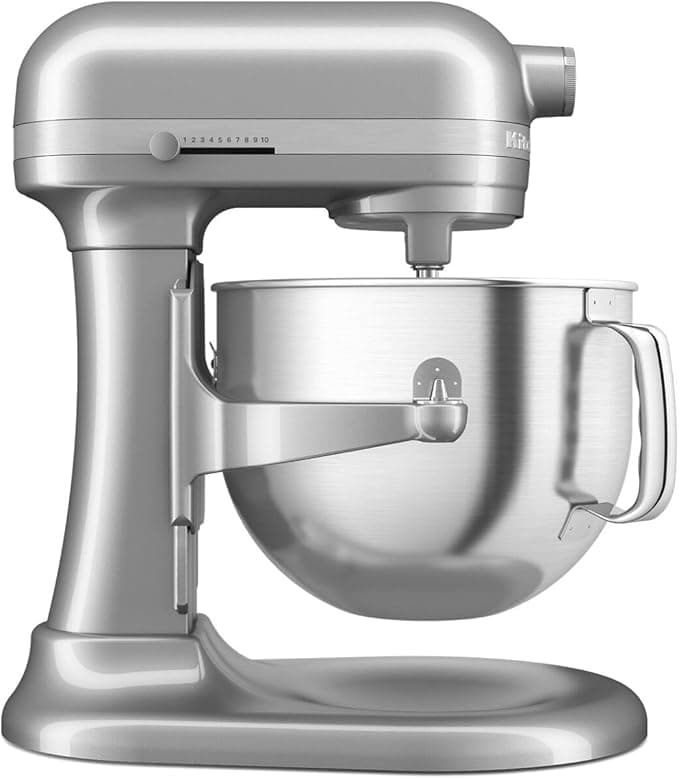
Tilt-head vs bowl-lift is decision number one. Tilt-head models like the KitchenAid Artisan and KitchenAid Classic flip backward for bowl access — the entire mixer head pivots up so you can scrape down sides, swap attachments, and add ingredients without bending around the assembly. They top out at 5 quarts and around 325W of motor power, which handles cookies, cakes, frostings, and light bread doughs without complaint. Bowl-lift models like the KitchenAid 7 Quart Bowl-Lift keep the head fixed and use a crank to raise the bowl into the beater — heavier, harder to access, but the locking-bowl design and 2x in-bowl power make them the right choice for heavy bread, multiple loaves at once, or 13-dozen cookie batches.
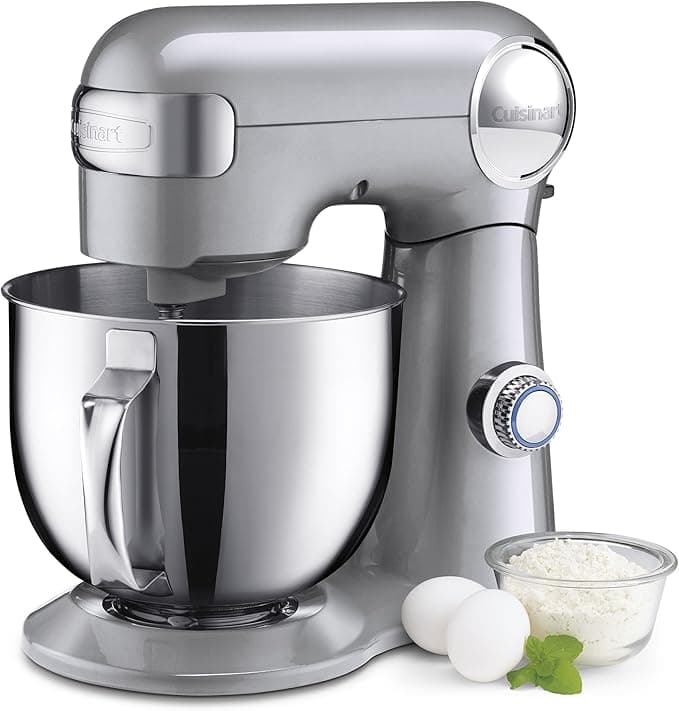
Bowl capacity matters more than buyers think. A 4.5-quart bowl handles roughly 8 dozen cookies; a 5-quart handles 9; a 7-quart handles 13. For households of 2-4 baking weekly, anything above 5 quarts is overkill. For bread-makers running double batches or households of 6+, the 7-quart capacity prevents constantly bumping against the bowl''s upper limit. The Cuisinart SM-50 sits at 5.5 quarts — a quiet sweet spot most buyers don''t consider because they default to KitchenAid.
Motor wattage is the spec everyone misreads. Higher wattage doesn''t mean stronger mixing — it means higher peak draw. What actually matters is sustained in-bowl torque, which scales with motor design (DC vs AC), gearing, and cooling. KitchenAid''s rated wattages look modest (250-325W for tilt-head, 500W for the 7-quart bowl-lift) but the motors are over-engineered for their ratings and last decades. Cheaper mixers often advertise 600-1000W but burn out under sustained heavy-dough load. The marketing number is the worst spec to rank on.
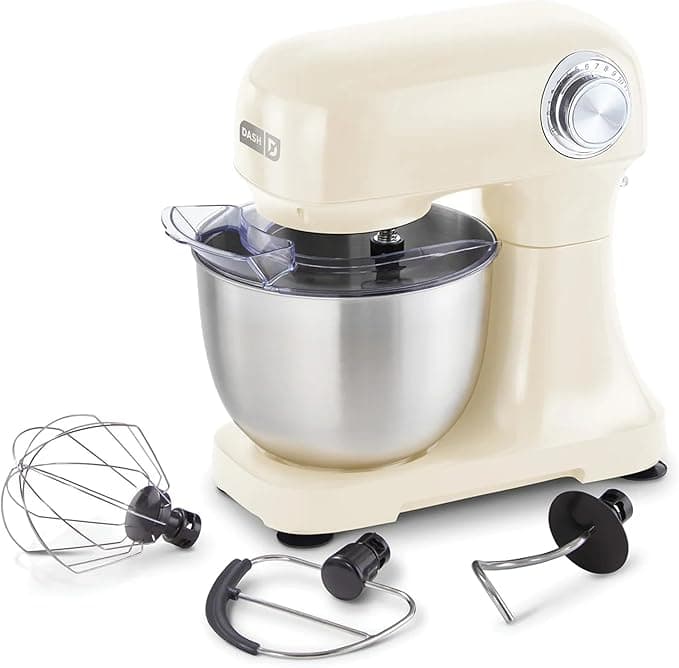
Attachment ecosystem is what locks buyers into the KitchenAid platform. The power hub on every KitchenAid stand mixer takes 15+ first-party and 100+ third-party attachments — pasta rollers, meat grinders, ice cream makers, spiralizers, food processors. The Cuisinart SM-50 has its own attachment hub with fewer options (~6 first-party). The Dash 3.5QT has no attachment hub at all. If you''re likely to expand into pasta-making or meat-grinding, this matters a lot. If you''re just baking, it doesn''t matter at all.
The biggest mistake we see: buying the Artisan flagship by default when the Classic 4.5Q K45SS delivers nearly identical performance with a smaller bowl at significantly lower cost — and consistently outperforms it on rating. The flip side: buying a $60 budget mixer for a household that bakes weekly and replacing it after a year of stripped gears.
Our rankings combine rating (40%), review volume (15%), value relative to category (20%), feature density (20%), and recency (5%) into a single composite score. We don''t physically bake with these — we score them based on what real buyers report and what the spec sheets promise. Here are the five stand mixers worth your attention in 2026, from a budget tilt-head workhorse to a premium 7-quart bowl-lift.