Best Air Purifiers of 2026: Clean Air for Every Home
Your morning routine probably includes checking the weather, but have you ever checked the air quality inside your home? If you're dealing with persistent allergies, pet dander, lingering cooking odors, or live in an area with poor outdoor air quality, you're likely shopping for an air purifier that can actually make a difference. The good news is that 2026 brings some impressive options that blend powerful filtration with smart features — but choosing the right one requires understanding what actually matters.
What Really Matters in Air Purifier Performance
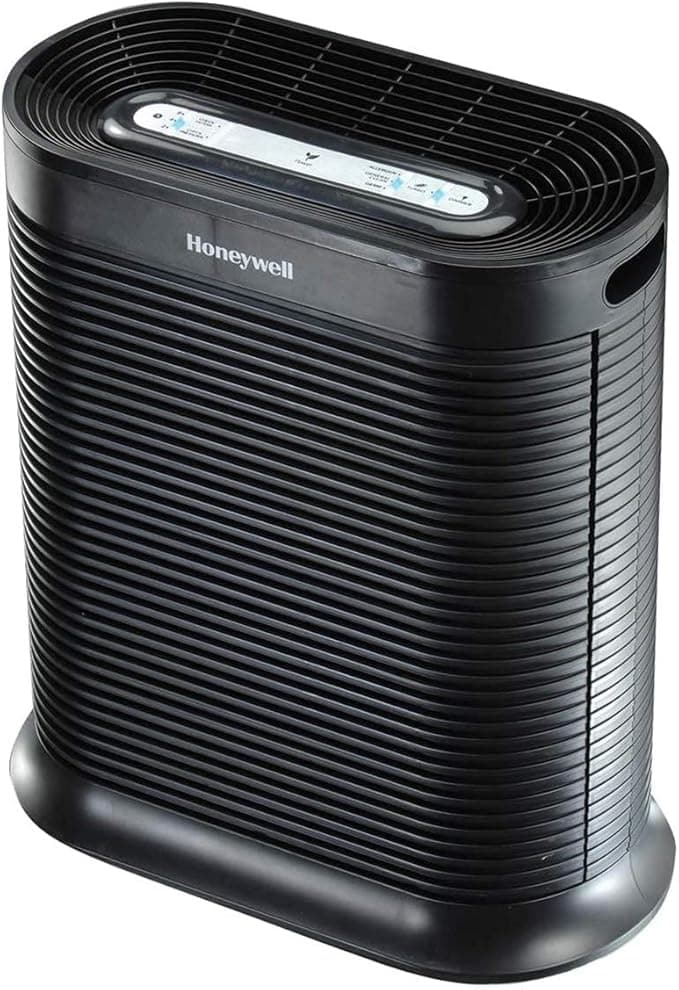
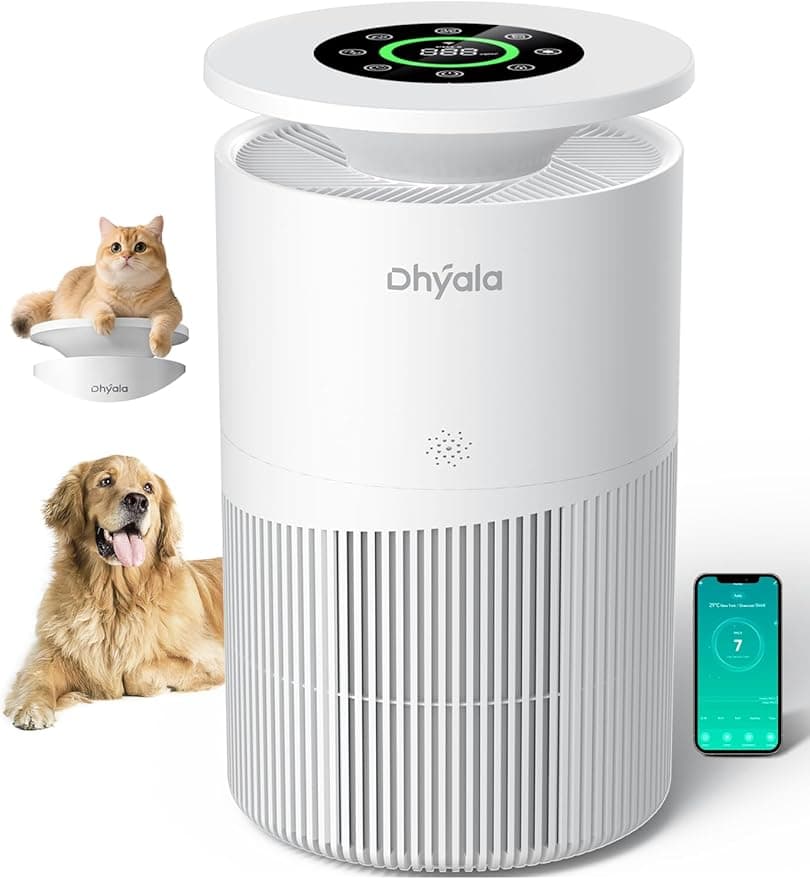
True HEPA filtration is non-negotiable if you're serious about removing allergens and particles. Look for True HEPA or HEPA H13 filters, which capture 99.97% of particles 0.3 microns and larger. Models like the Honeywell HPA300 have built their reputation on reliable HEPA performance, while newer options like the Dhyala Air Purifier feature H13-grade filters for even finer particle capture.
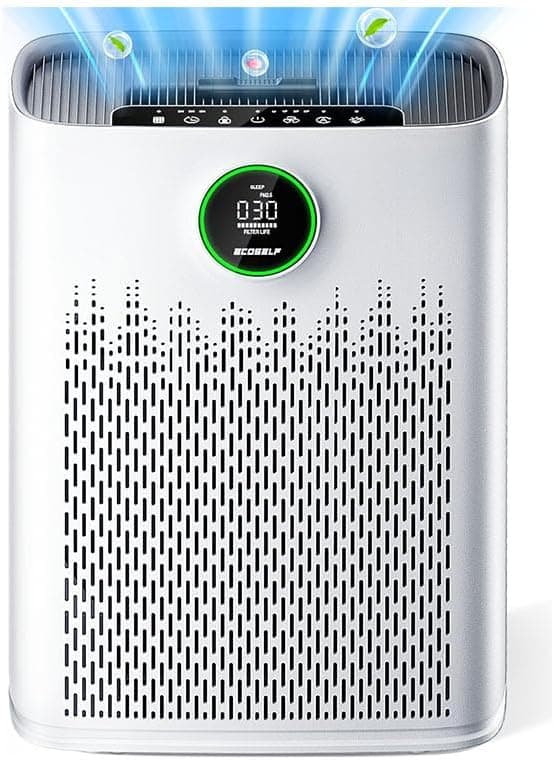
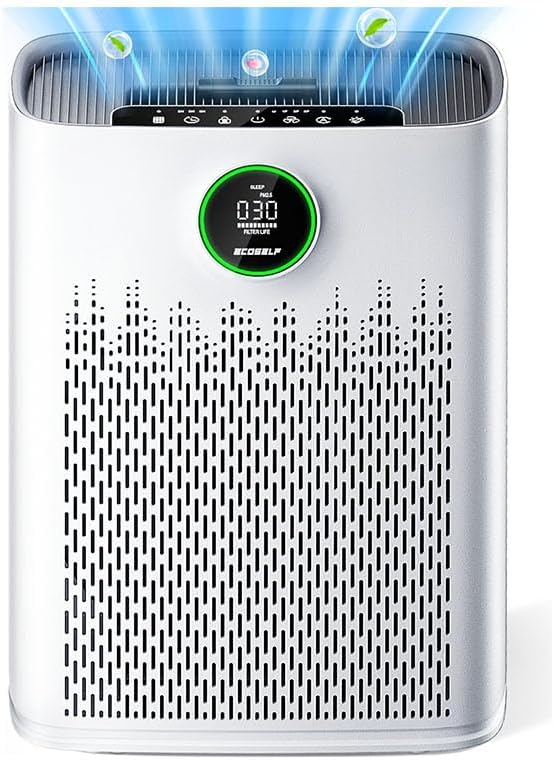
CADR ratings tell you the real story about cleaning power. This measures how many cubic feet of air the purifier cleans per minute for dust, pollen, and smoke. Don't just look at the marketed room size — check if the CADR rating matches your space. The ECOSELF HAP608 covers an impressive 4800 square feet, but verify the CADR supports that coverage for your specific needs.
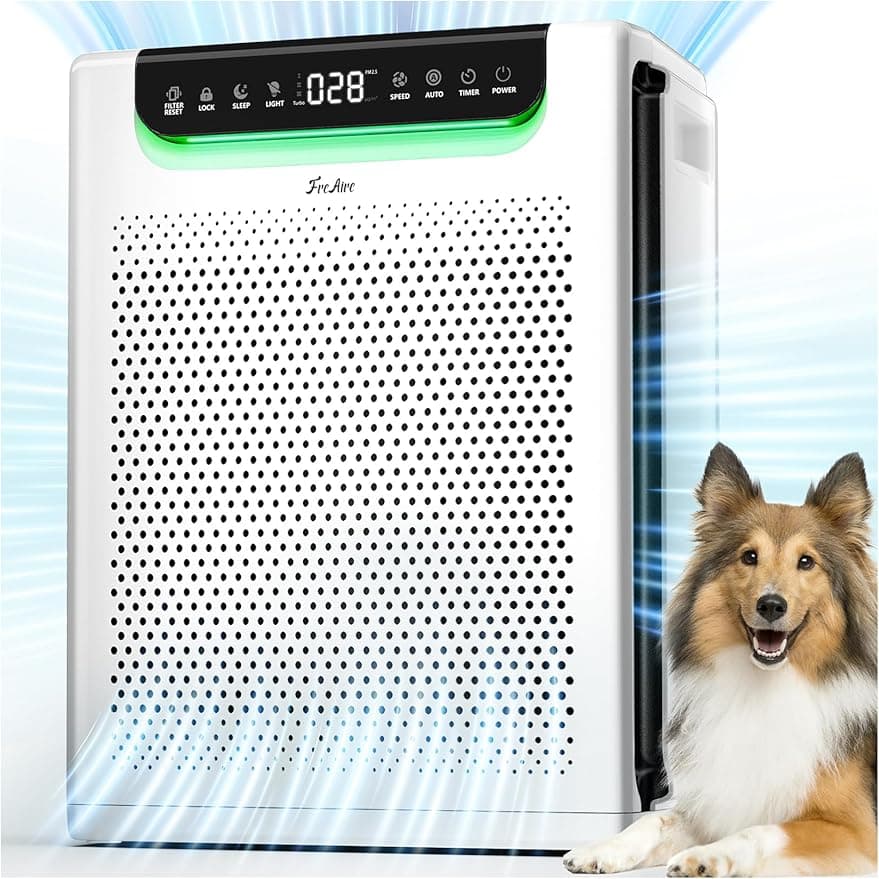
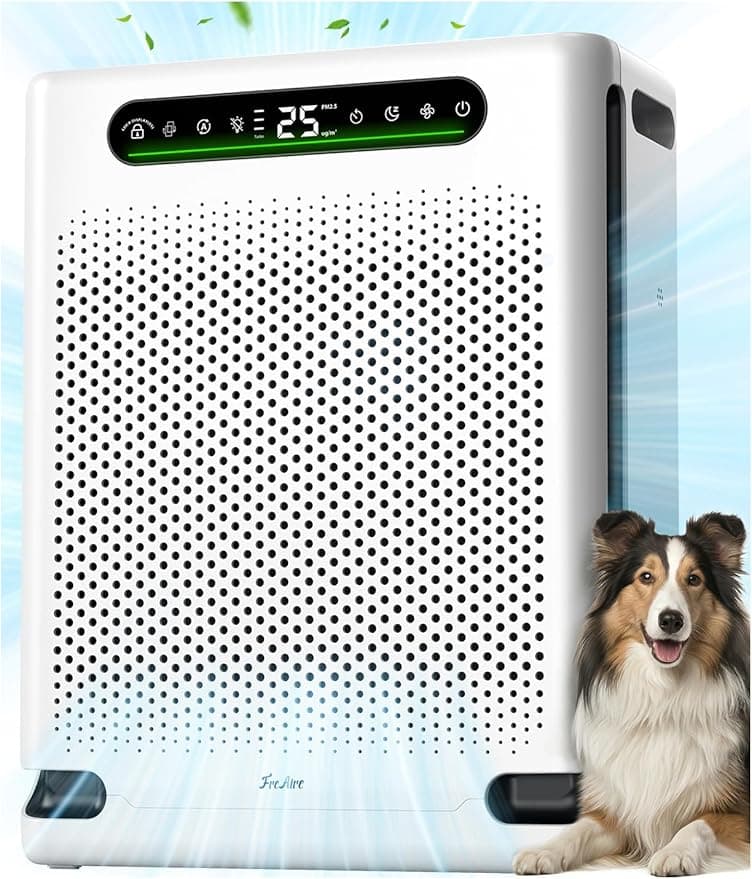
Room size coverage can be misleading without context. Manufacturers often list maximum coverage based on minimal air changes per hour. For allergy sufferers or homes with pets, you want 4-5 air changes hourly, which means buying a purifier rated for roughly double your actual room size. The FreAire Air Purifier HAP607 claims 2600 square feet, but performs best in spaces around 1300 square feet for optimal air cycling.
Noise levels matter more than you think, especially for bedroom use. Look for purifiers with sleep modes under 25dB — anything above 30dB becomes noticeable at night. Both the ECOSELF HAP603 and FreAire models advertise 22dB sleep modes, making them bedroom-friendly options.
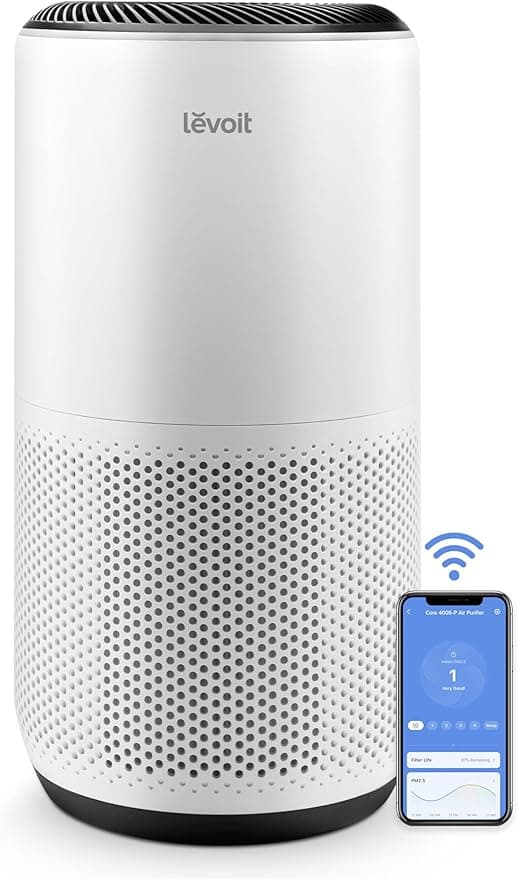
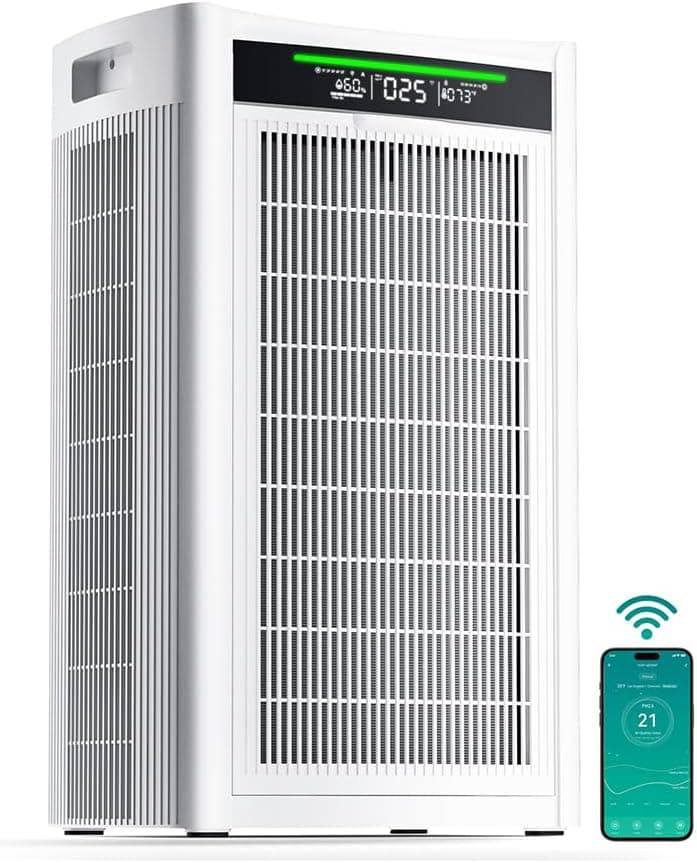
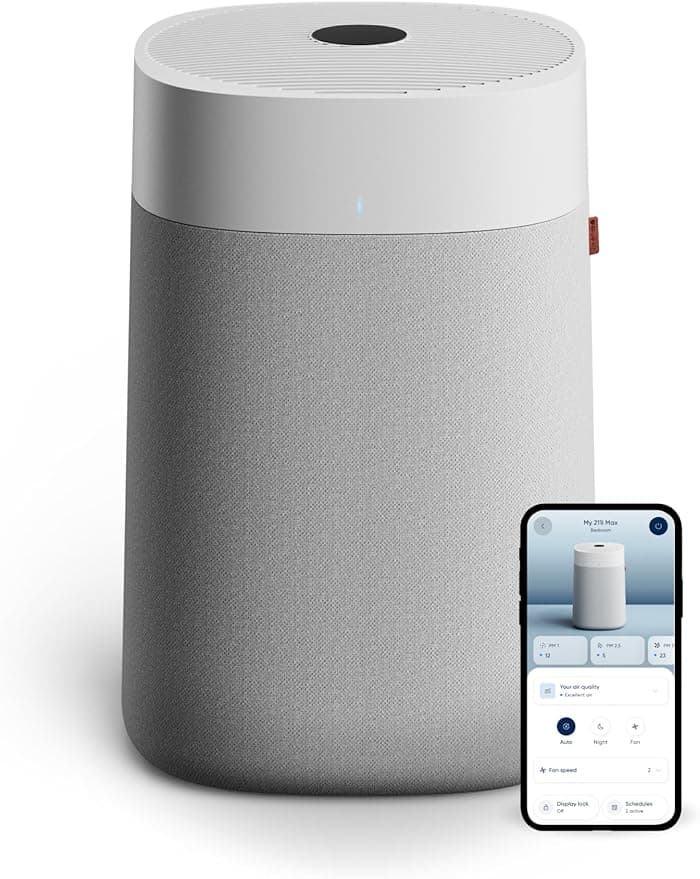
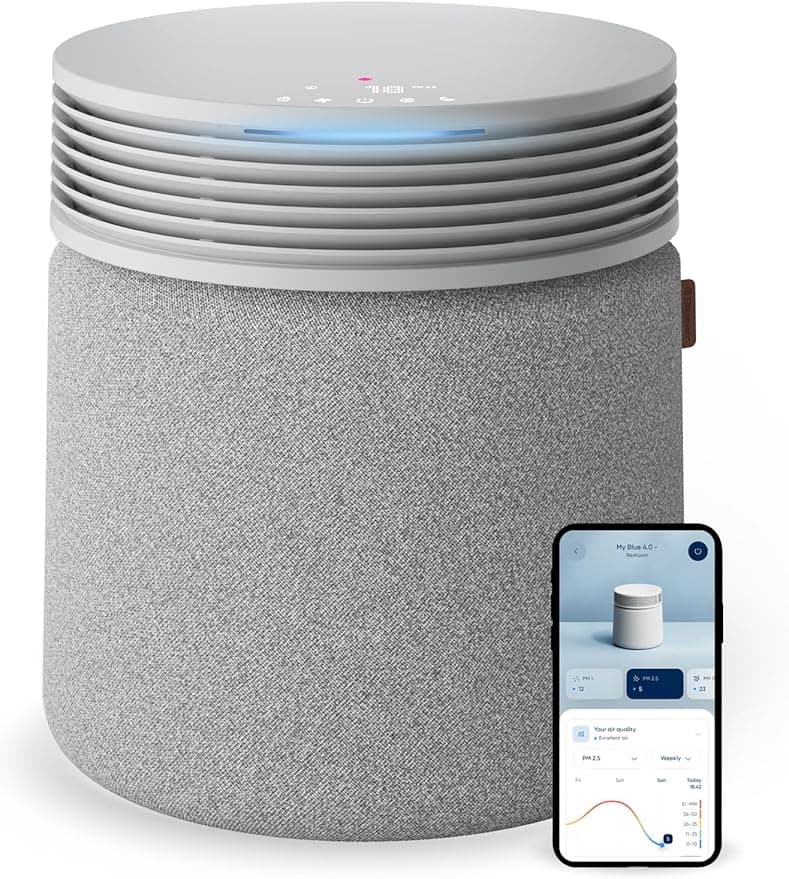
Smart features and air quality sensors have evolved beyond gimmicks. Real-time PM2.5 displays help you understand when the purifier is actually working, while app control lets you monitor air quality remotely. The LEVOIT Core 400S integrates well with smart home ecosystems, though simpler models often perform just as effectively without the tech premium.
Common Mistakes to Avoid
Many buyers focus solely on room size ratings while ignoring filter replacement costs. A budget-friendly purifier can become expensive if filters need frequent, costly replacements. Others assume washable filters are always better — while convenient, they typically don't match True HEPA performance for fine particles.
Another mistake is buying oversized purifiers for small spaces, thinking bigger is always better. This often means paying for features you won't use and dealing with unnecessary noise.
Our Evaluation Approach
We've evaluated these purifiers using a weighted composite score that considers filtration performance, room coverage accuracy, user satisfaction across thousands of reviews, smart feature implementation, energy efficiency, and long-term value including filter costs. This approach helps identify purifiers that deliver real-world performance, not just impressive specifications.
Below, you'll find our top-ranked air purifiers for 2026, each tested against these criteria to help you find the perfect match for your home's air quality needs.