The thermostat argument starts every October: turn up the central heat and pay for warmth you don't need in rooms you're not using, or find a way to heat just the room you're actually sitting in. A good space heater is the answer to that second option, and the category has gotten a lot smarter than the single-setting box heaters of a decade ago — modern units now offer real thermostat precision, whisper-quiet motors, and safety systems built for homes with kids and pets.
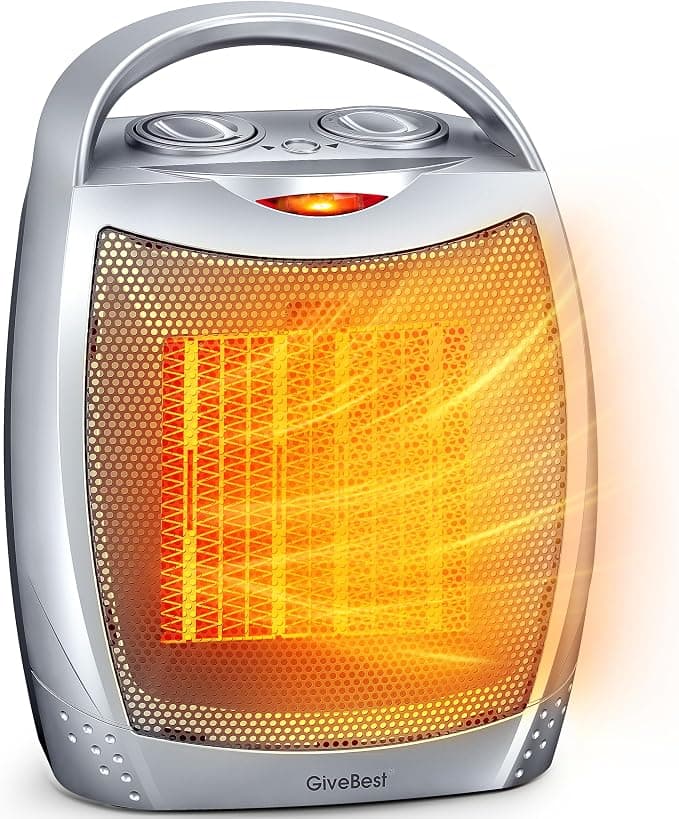
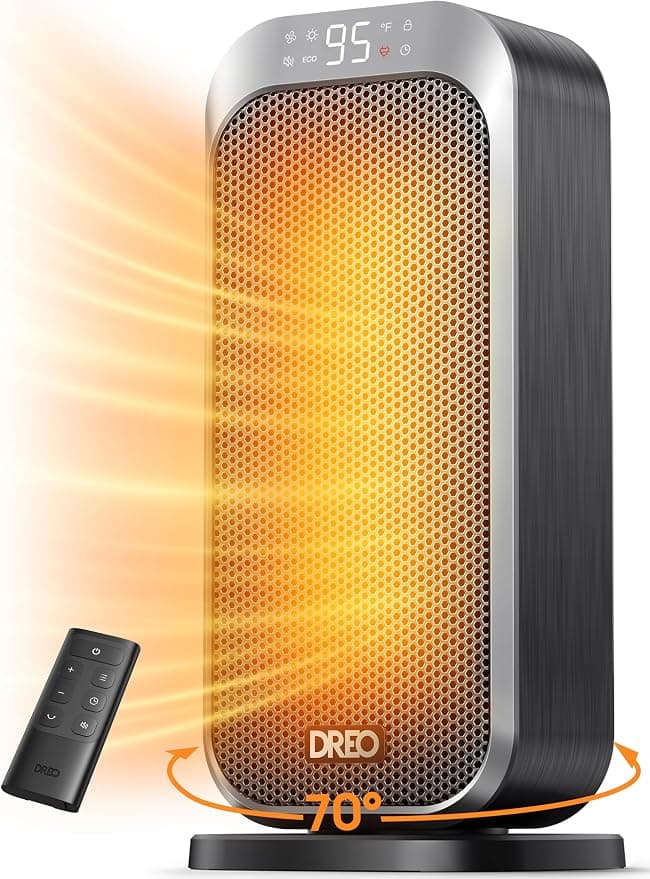
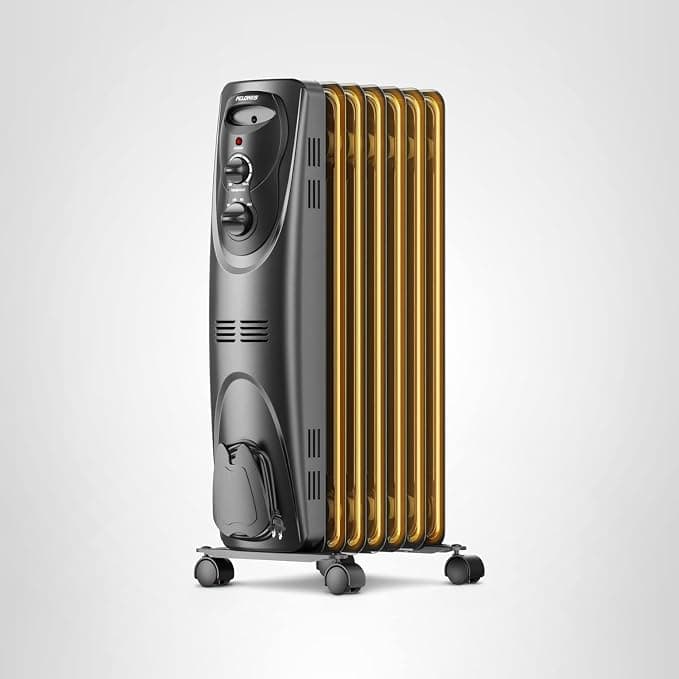
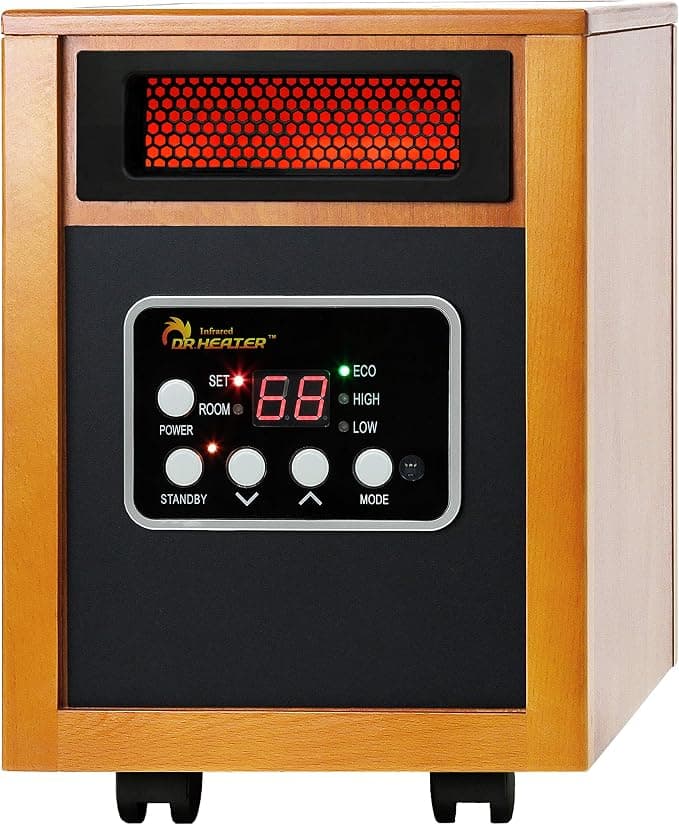
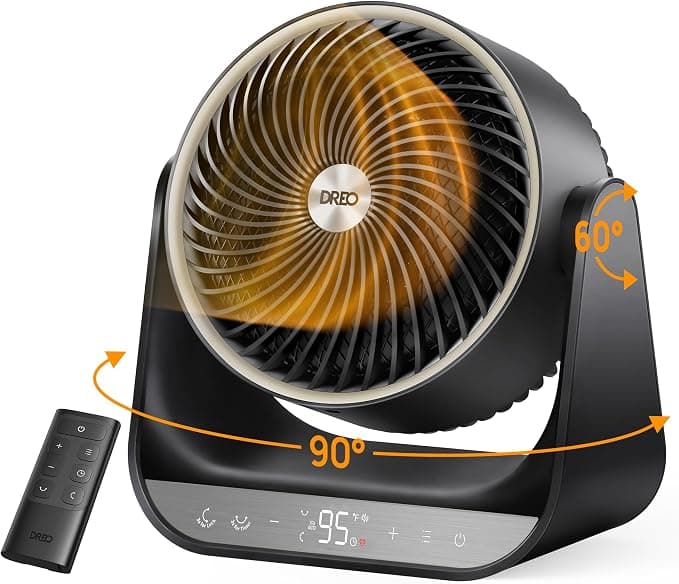
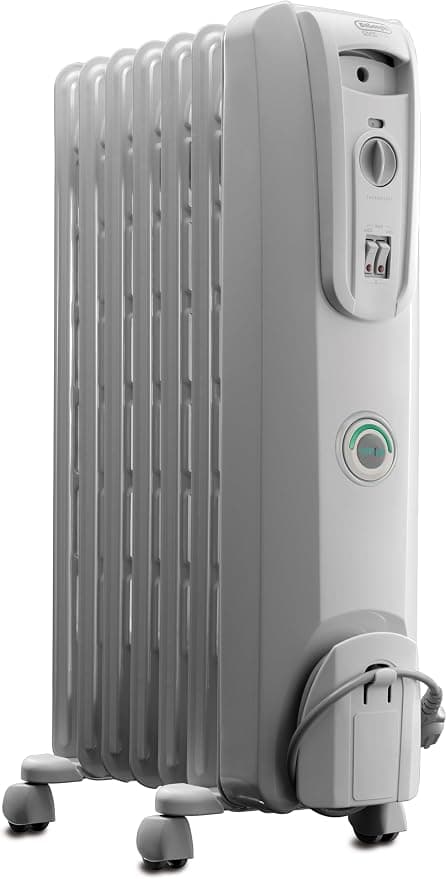
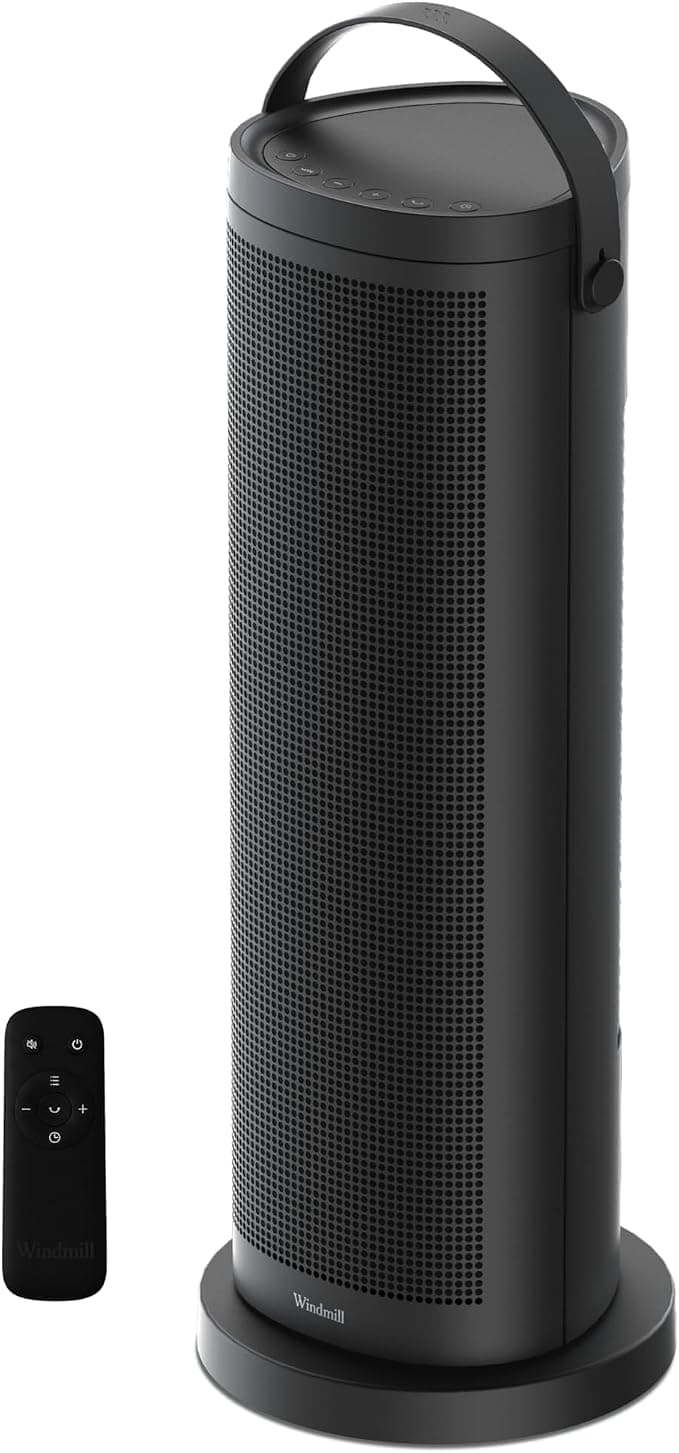
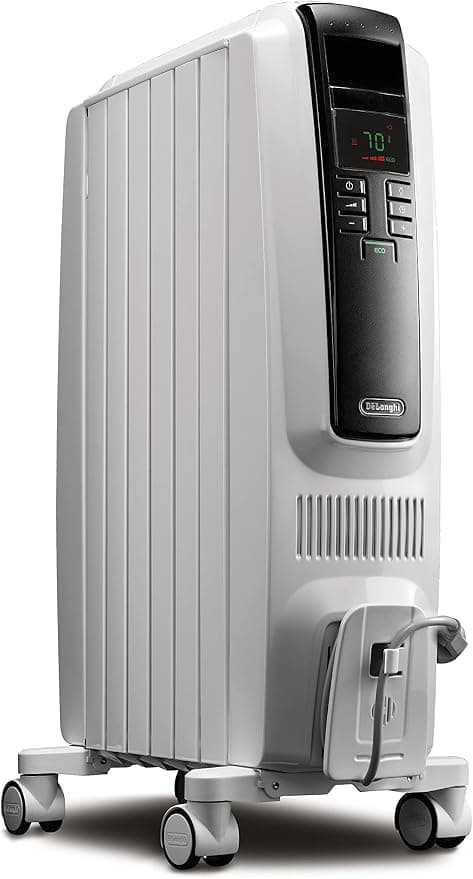
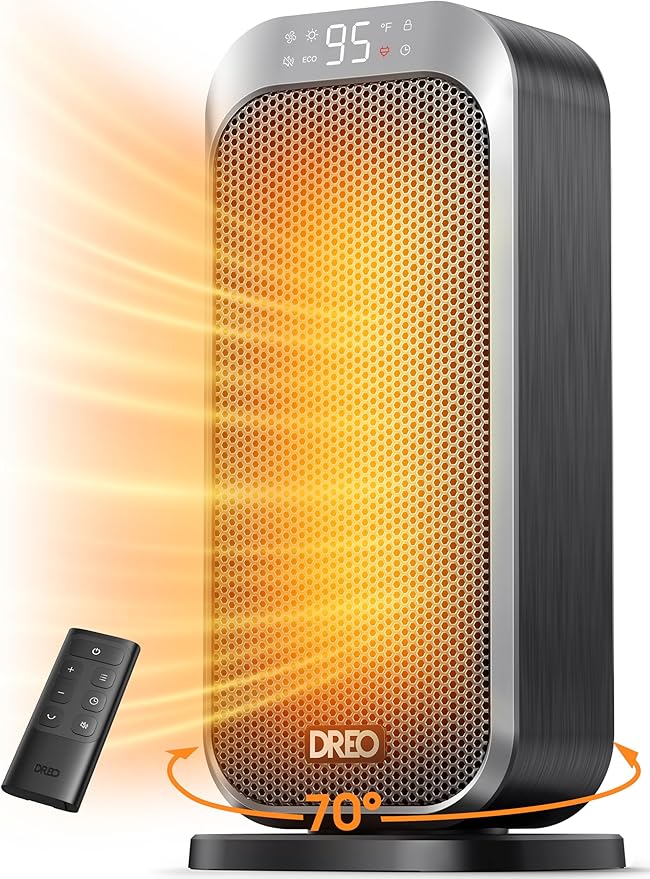
Start with heating technology, because it decides how a room actually feels. Ceramic PTC heaters, used in models like the DREO Quiet Space Heater and the GiveBest Space Heater, warm air quickly with a fan and are the best fit for small to medium rooms where fast heat matters. Oil-filled radiators, like the options from PELONIS and De'Longhi, skip the fan entirely and radiate steady, near-silent heat — slower to warm a room initially, but far quieter and gentler on humidity over hours of use. Infrared and quartz heaters, such as the Dr Infrared Heater DR-968, split the difference with a dual heating system built for larger spaces. None of these is universally "better" — the right pick depends on room size and whether noise or speed matters more to you.
Wattage and coverage area are the next things to check, and most serious indoor heaters top out at 1500W, the practical ceiling for a standard household circuit. What varies is how that wattage gets delivered: a heater with true oscillation spreads warmth across a whole room, while a non-oscillating unit heats what's directly in front of it — fine for a desk, less useful for a living room. Multiple heat settings (often 600W/900W/1500W on radiator-style units) let you dial in exactly how much energy you're using rather than running full blast when you don't need to.
Safety features deserve real scrutiny, not a glance. Tip-over protection and overheat shutoff are close to universal at this point, but the details matter: a child lock is worth seeking out if kids or pets are in the house, and flame-retardant housing (often labeled V0) reduces fire risk if something does go wrong. Noise level matters more than people expect — a heater rated at 43 dB is noticeably different from one engineered down to the low 30s or 20s, and that gap is the difference between a heater you can sleep next to and one you can't.
The mistake buyers make most often is assuming all 1500W heaters perform the same, then judging purely on price. Two units with identical wattage can differ enormously in how evenly they heat a room, how loud they run, and how precisely the thermostat holds a temperature — a heater with a wide-range digital thermostat, like the DREO Whole Room Heater, will actually hold a set point, while a basic High/Low dial just cycles on and off around a rough guess. The other common mistake is buying an oscillating heater for a small desk or a non-oscillating one for a living room — matching the heater's spread to the room's shape matters more than most spec sheets suggest.
We scored every heater here on a weighted composite of customer ratings, review volume, price-to-performance value, and feature richness relative to the rest of the field. The most affordable options score well when they deliver real everyday warmth without excess; pricier units earn their spot by adding oscillation, app-free smart controls, or genuinely quiet operation that budget heaters can't match. Below, we break down all ten, starting with the pick that balanced performance, safety, and value best.