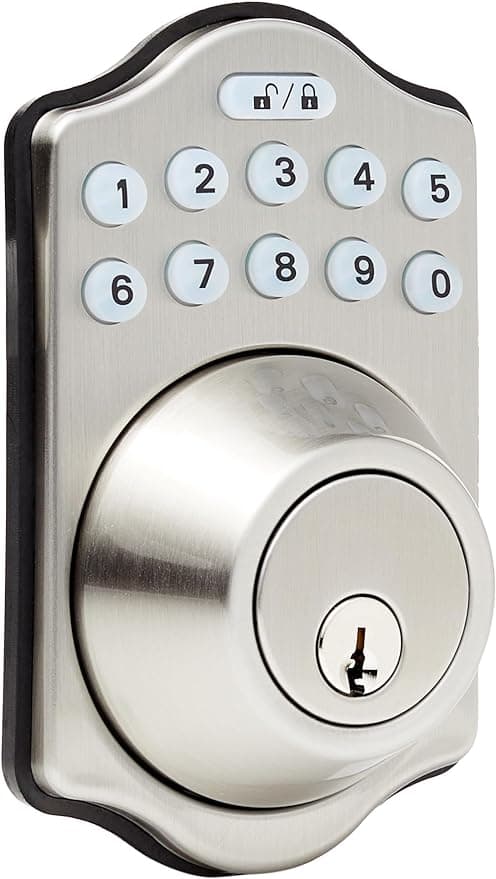
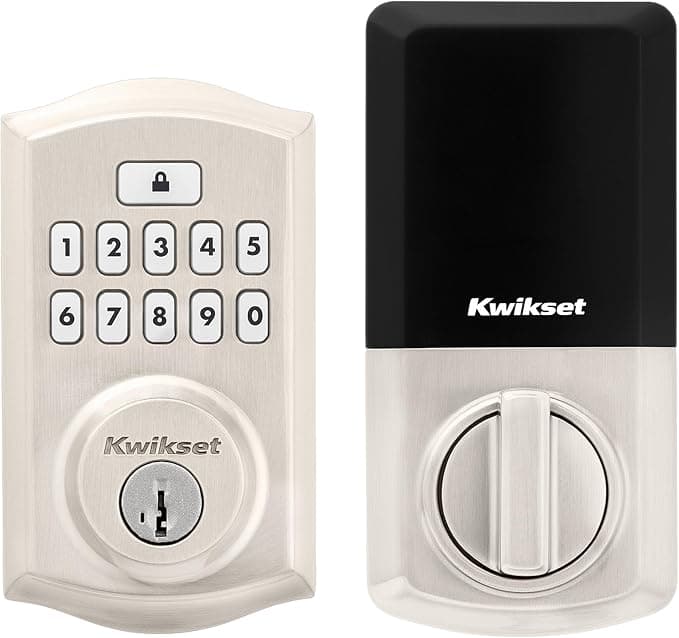
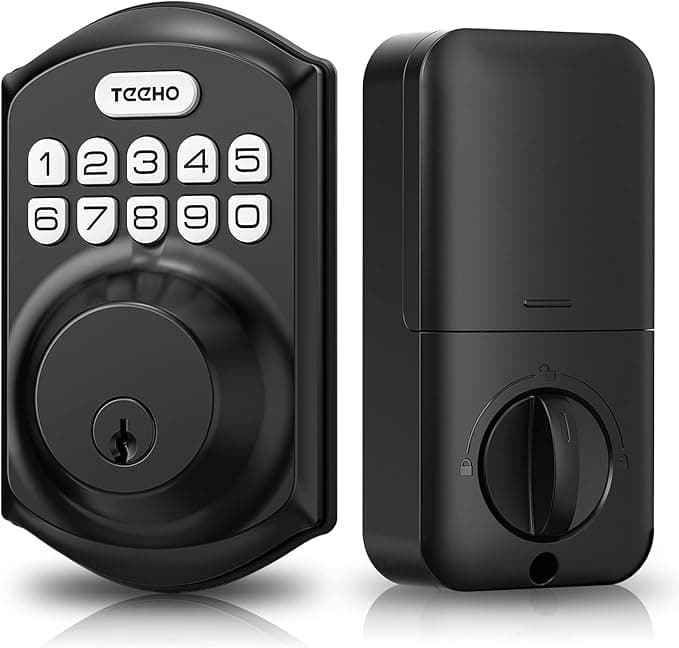
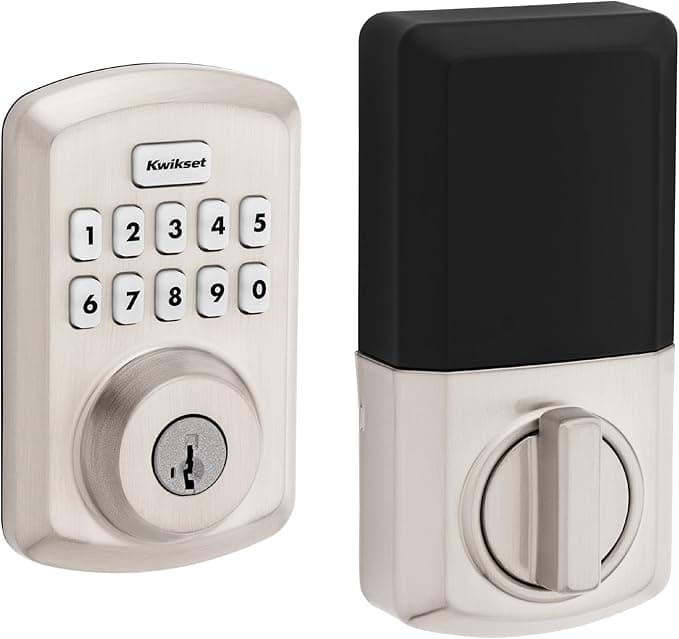
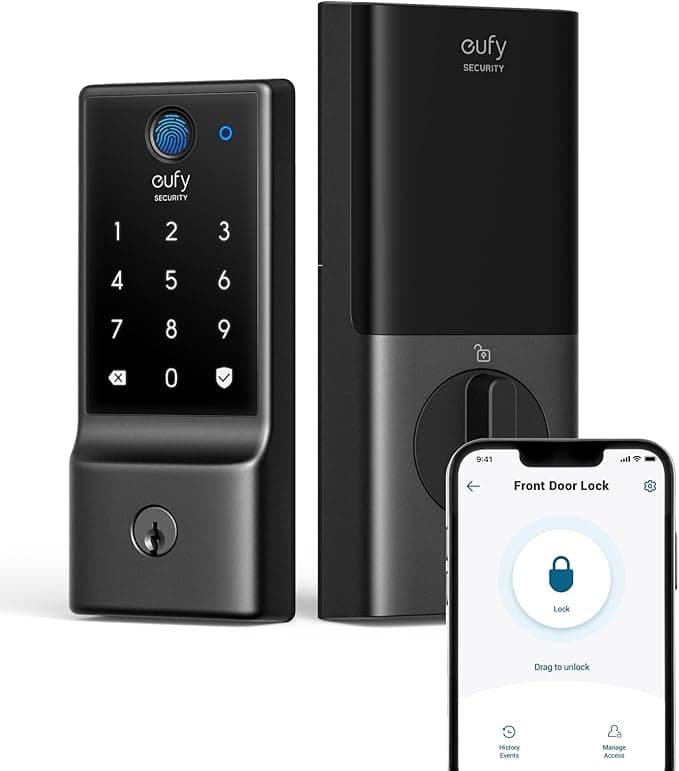
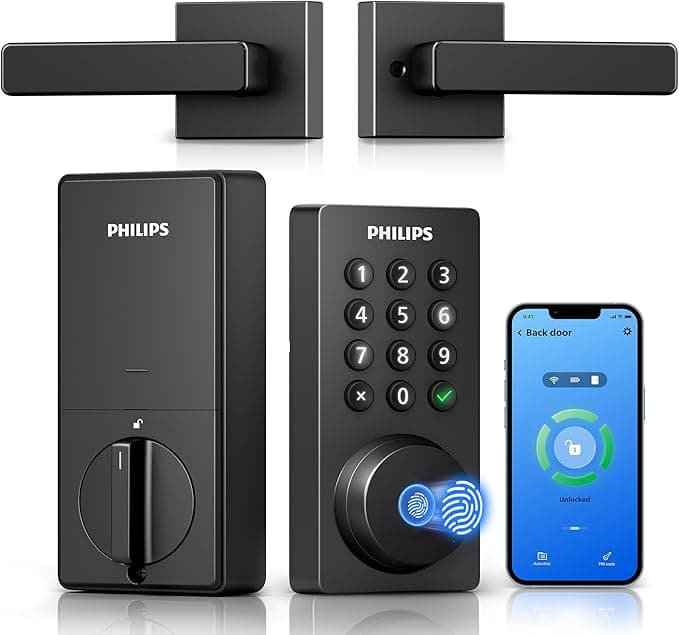
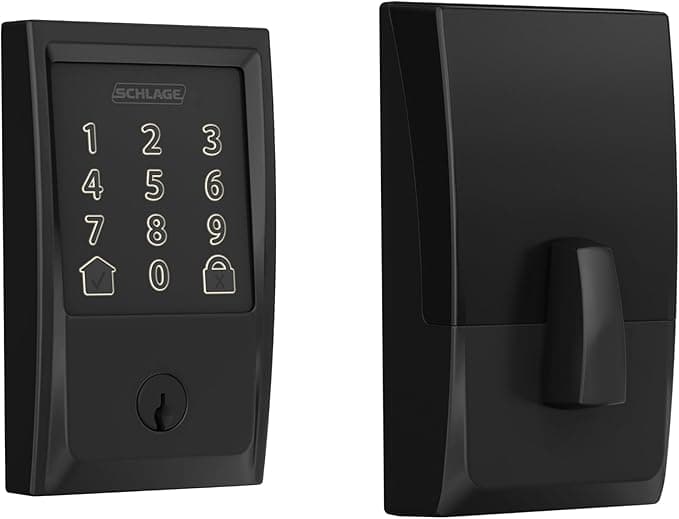
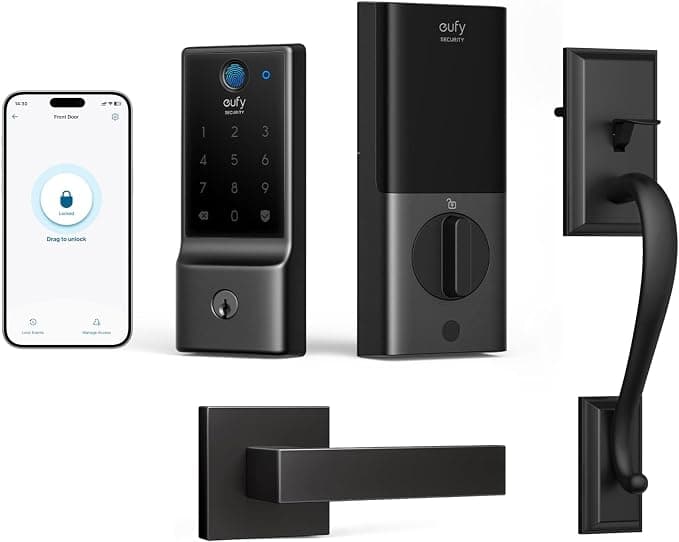
Smart locks replaced the spare-key-under-the-mat ritual most of us grew up with, and the category has split into a surprising number of price tiers and feature combos. A basic keypad deadbolt for under fifty dollars will keep your front door secure and let you ditch keys. A premium fingerprint lock with Apple Home Key, built-in WiFi, and a camera will do the same job plus give you remote monitoring and AI-driven access control. The right pick depends on how much you''re willing to manage and how integrated you want your home to feel.
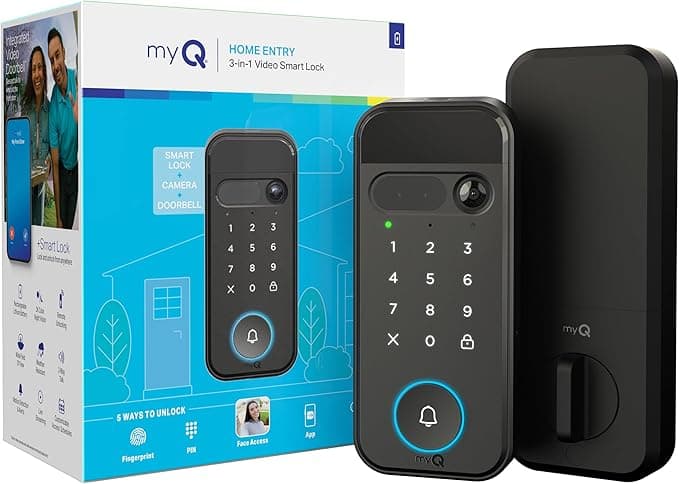
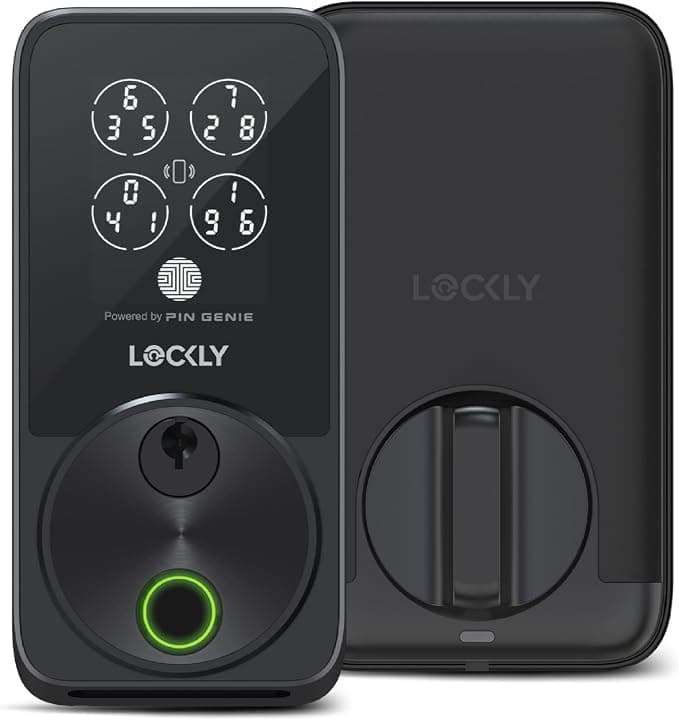
The single biggest decision is what unlock methods you actually need. Every lock in our lineup supports a keypad PIN — that''s table stakes. The next tier adds fingerprint (eufy, Lockly, Philips, myQ), which is faster than typing a code but adds enrollment overhead. The premium tier adds app remote control via built-in WiFi (Schlage Encode, Lockly, eufy, Philips, myQ) so you can lock or unlock from anywhere — meaningful if you''re an Airbnb host, have housekeepers, or just want to verify the door is locked from work. The most expensive locks add Apple Home Key (the Lockly Secure Pro) or face recognition with a built-in camera (the myQ Secure View 3-in-1).
The second decision is BHMA certification, the residential security and durability rating that most buyers ignore. The Schlage Encode carries the highest BHMA Grade for residential, the Kwikset SmartCode 260 is BHMA Grade 2 (2.5x stronger than Grade 3), and the eufy C220 is BHMA Grade 3. Grade matters because cheap locks fail not from picking — they fail from kicks, prying, and weather. If your front door faces direct sun, rain, or freezing temperatures, certified weather resistance (IP53, IP54, IP65) is worth checking before you commit.
The third decision is whether you want a hub or built-in WiFi. Built-in WiFi (Schlage, eufy, Lockly, Philips, myQ) means the lock talks directly to your network without an extra bridge — simpler setup, fewer points of failure. Hub-based or Bluetooth-only locks require a separate WiFi gateway, which adds cost and complexity. Every premium WiFi lock in our lineup is direct-connect.
A few overlooked specifics: check the door thickness compatibility (most locks fit 1-3/8 to 1-3/4 inch doors but some only fit specific bore-hole sizes), the battery life and battery type (4 AA is standard; some premium locks use rechargeable packs), and how many user codes the lock supports if you need temporary access for guests, contractors, or short-term rentals. The Schlage Encode supports up to 100 codes — meaningful for Airbnb. Most budget locks cap at 6-20.
The scoring methodology weighs customer rating most heavily, then balances reviewer volume, value, and feature richness. Premium picks like the Schlage Encode and Lockly Secure Pro have stronger feature sets but rank lower because their price tier pulls down the value score — read the individual summaries below to see which spec mix actually fits your front door.