Buying an espresso machine in 2026 means picking a side first: do you want to learn the craft, or do you want a button that produces a latte? The gap between the two camps is enormous — both in cost, in counter space, and in how much patience you need on a Tuesday morning. Get the category right and you''ll save hundreds. Get it wrong and you''ll have a beautiful paperweight gathering dust by month three.
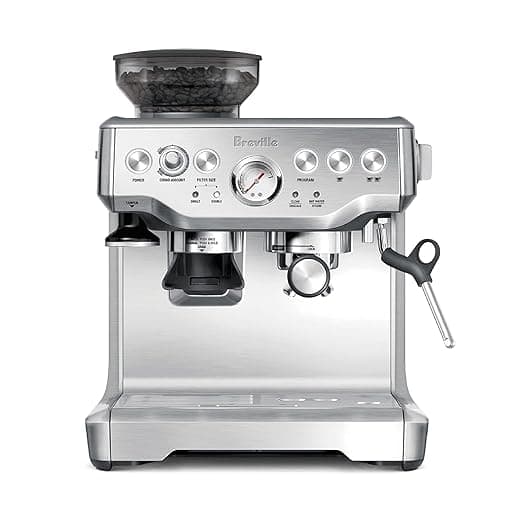
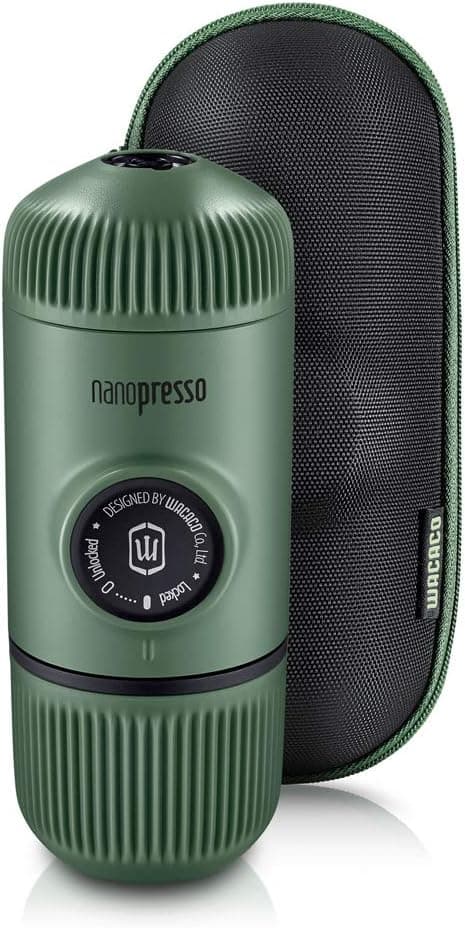
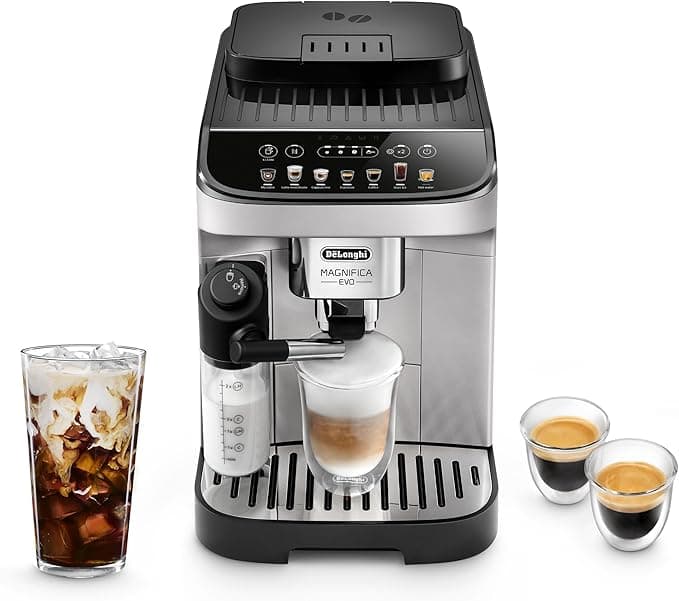
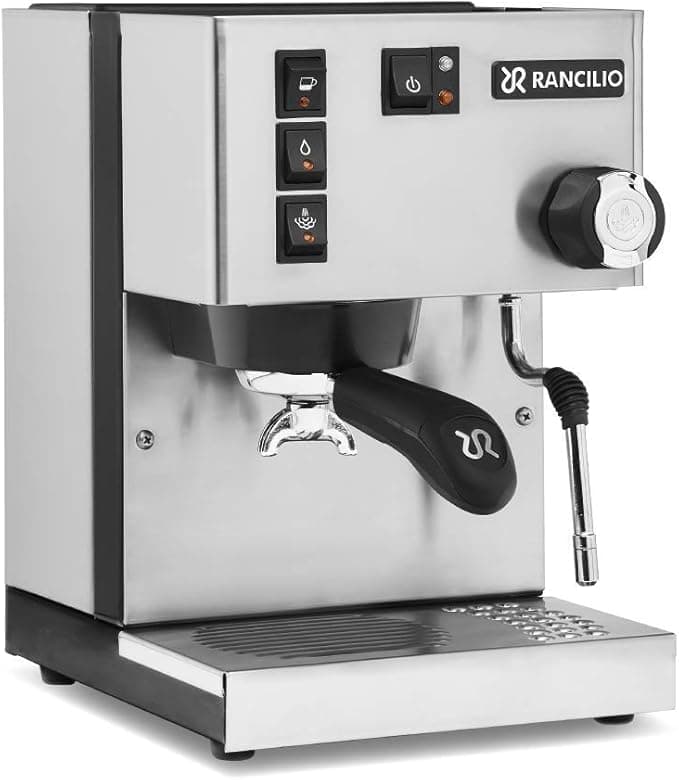
Machine type is decision one. Semi-automatic machines like the Breville Barista Express and Rancilio Silvia require you to dose, tamp, time the shot, and steam your own milk. They reward practice with shots that rival good coffee shops. Super-automatic machines like the De''Longhi Magnifica Evo grind, dose, brew, and froth at the press of a button — you trade some quality and almost all the craft for convenience. Portable manual units like the WACACO Nanopresso sit in their own category: hand-pumped, no electricity, perfect for travel or the office, surprisingly capable shots if you can grind fine enough.
Pressure is the spec everyone quotes but most people misunderstand. The marketing usually says "15 bar" or "20 bar" — but real espresso is extracted at 9 bar. Higher pump pressure doesn''t mean better shots; what matters is whether the machine has an over-pressure valve (OPV) that bleeds excess pressure back to that 9-bar sweet spot. All the machines in our lineup do this — but the cheaper ones are louder and less stable.
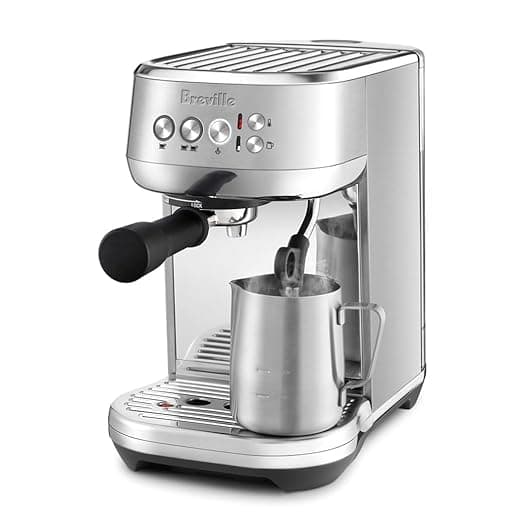
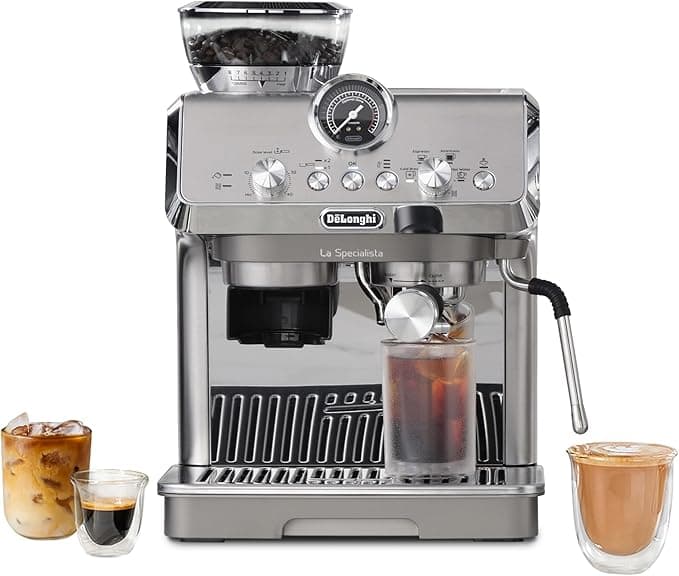
Grinder integration is the next fork. A machine with a built-in burr grinder like the Barista Express or La Specialista Arte Evo eliminates the need to budget for a separate one, which is a real cost saving — quality standalone grinders start where these machines do. A grinder-less semi-auto like the Bambino Plus is cheaper upfront but assumes you''re bringing your own grinder. The Rancilio Silvia famously ships without a grinder and is most often paired with the matching Rancilio Rocky.
Milk frothing comes in three flavors: manual steam wand (best texture, requires practice, what serious cafes use), automatic milk frother (decent texture, one-touch, what the Magnifica Evo offers), and the Bambino Plus''s hybrid auto-steam wand that splits the difference. If latte art matters to you, only a manual wand will get you there.
The biggest mistake we see: buyers either undershoot ("the Stilosa will be fine") and end up frustrated with pressurized portafilters and weak shots, or overshoot (a $2000 dual-boiler when they really wanted convenience). The Goldilocks zone for most coffee-curious households is a mid-tier semi-auto with a built-in grinder or a quality super-auto — pick based on whether you actually want the craft or just the drink.
Our scoring methodology weights rating (40%), review volume (15%), value relative to category (20%), feature density (20%), and recency (5%) into a single composite score. We don''t physically brew on these — we score them based on what real buyers report and what the spec sheets promise. Here are the six espresso machines worth your attention in 2026, from a sub-$100 hand-pumped traveler to a $1000 prosumer Italian icon.