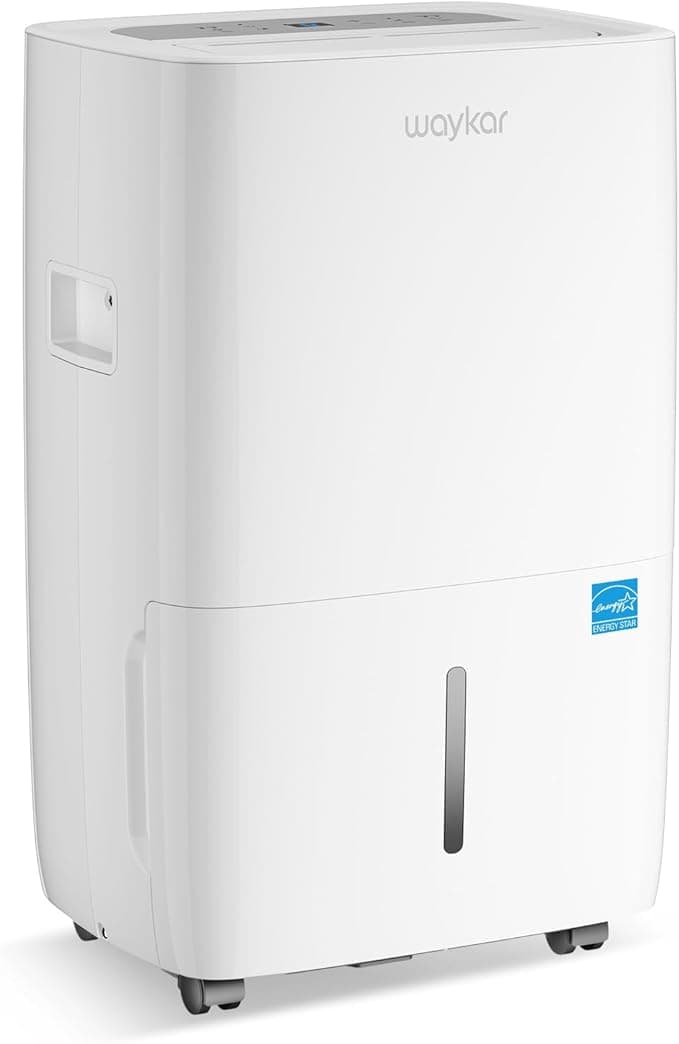
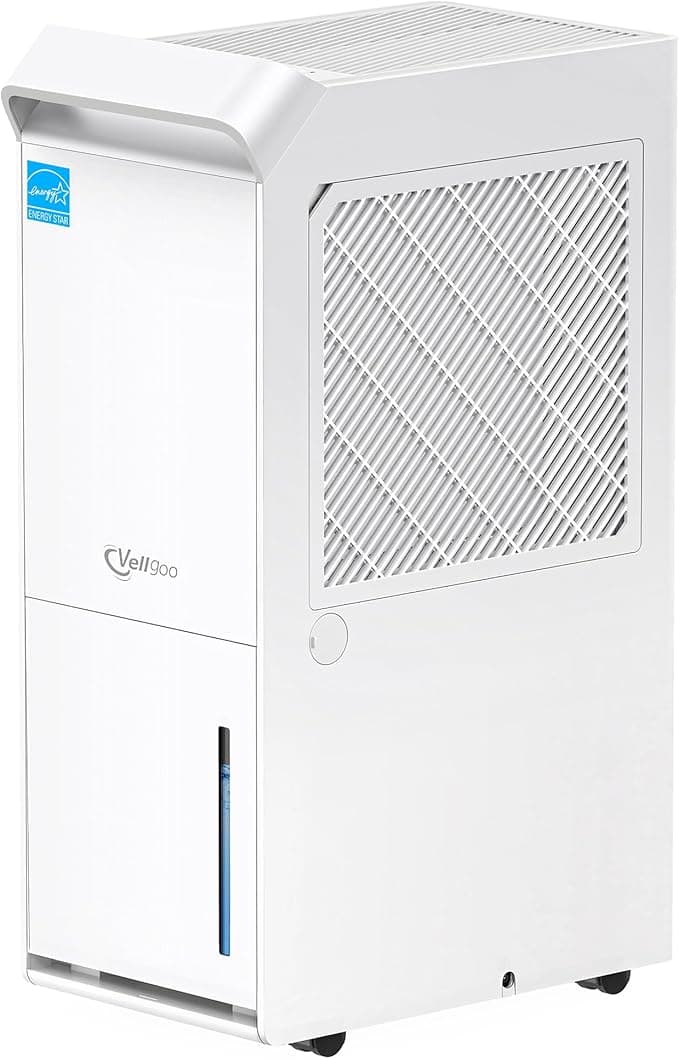
Best Dehumidifiers of 2026: Your Complete Buying Guide
Nothing ruins a basement renovation faster than discovering your beautiful new flooring is warping from humidity, or waking up to that musty smell that screams "moisture problem." Whether you're battling a perpetually damp basement, trying to protect stored belongings, or just want to sleep comfortably without sticky air, the right dehumidifier can transform your space from swamp-like to sanctuary.
But here's the thing: buying a dehumidifier isn't as simple as grabbing the cheapest unit and calling it done. The wrong choice leaves you with a machine that either can't handle your space or runs up your electric bill while barely making a dent in humidity levels.
What Actually Matters When Shopping
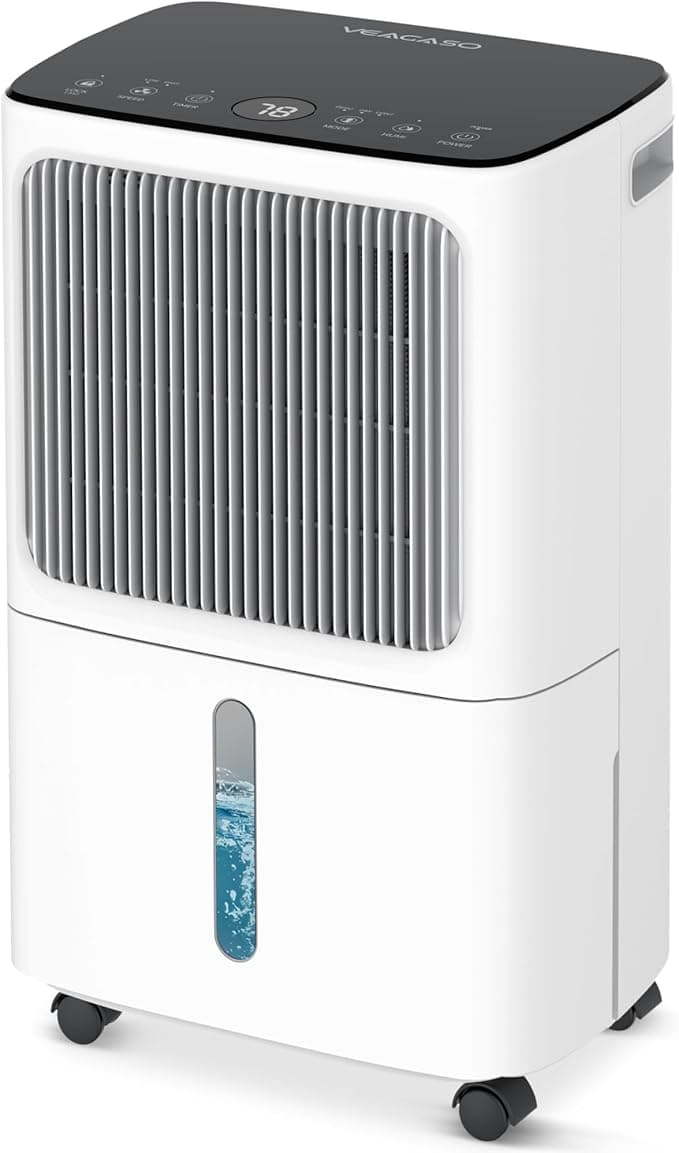
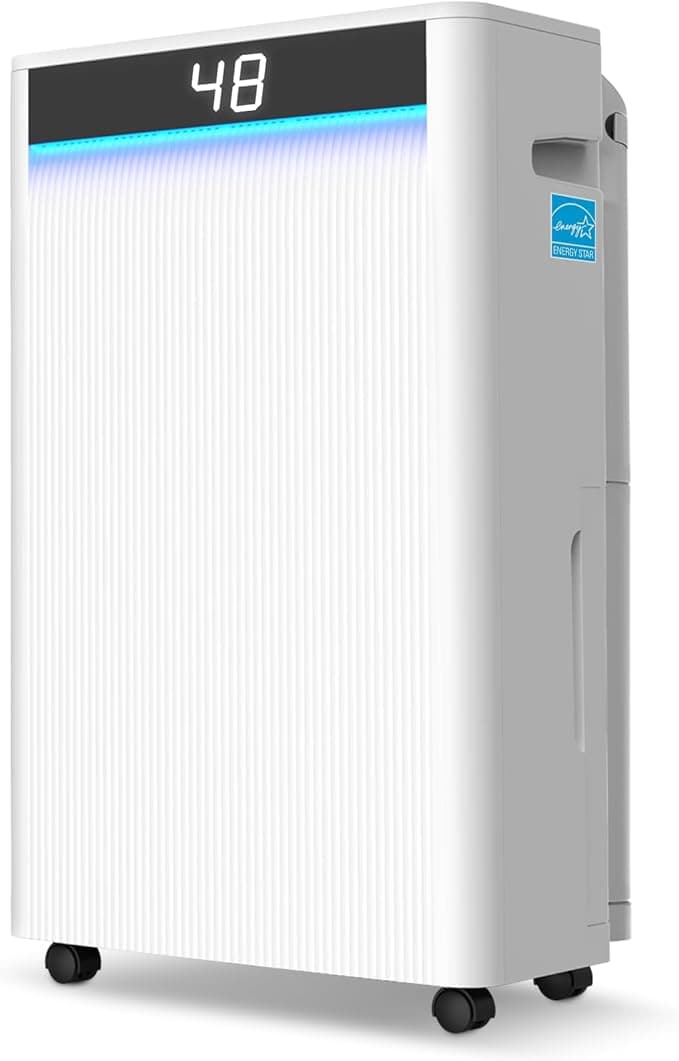
Capacity matching is everything. Dehumidifiers are rated by pints removed per day, but manufacturers love to confuse you with multiple ratings. Look for the capacity at standard conditions (80°F, 60% humidity) rather than the inflated "maximum" numbers. For most basements and large rooms, models like the VEAGASO Dehumidifier with 34-pint capacity handle up to 2,500 square feet effectively, while smaller bedrooms might only need 20-30 pints daily.
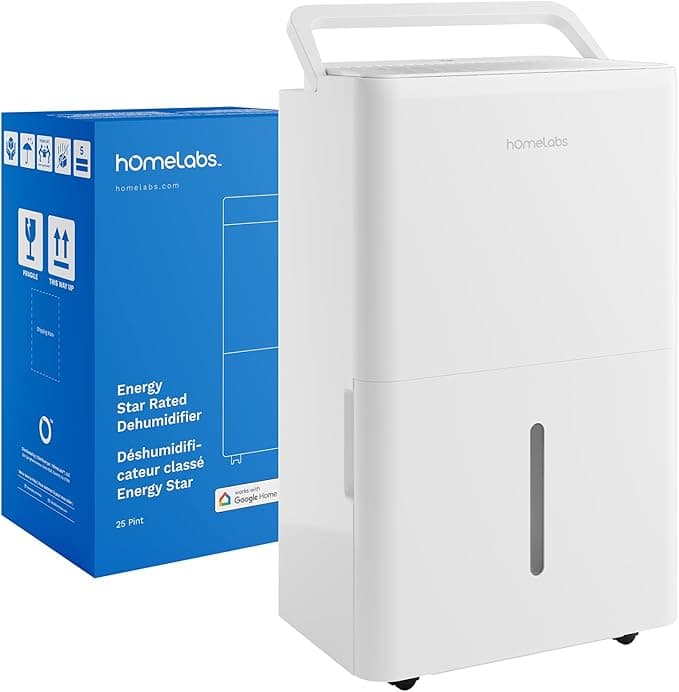
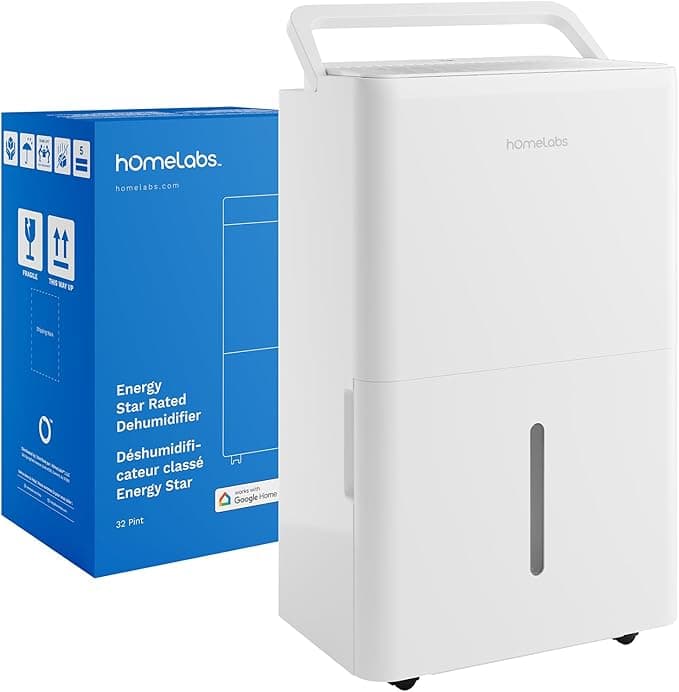
Tank size and drainage options separate convenience from constant maintenance. Sure, you can empty a tank manually, but if you're dealing with serious moisture, you'll be doing it daily. The hOmeLabs Wi-Fi Dehumidifier and similar models offer continuous drainage through included hoses, meaning you can set it and forget it. For basement installations, this feature isn't optional—it's essential.
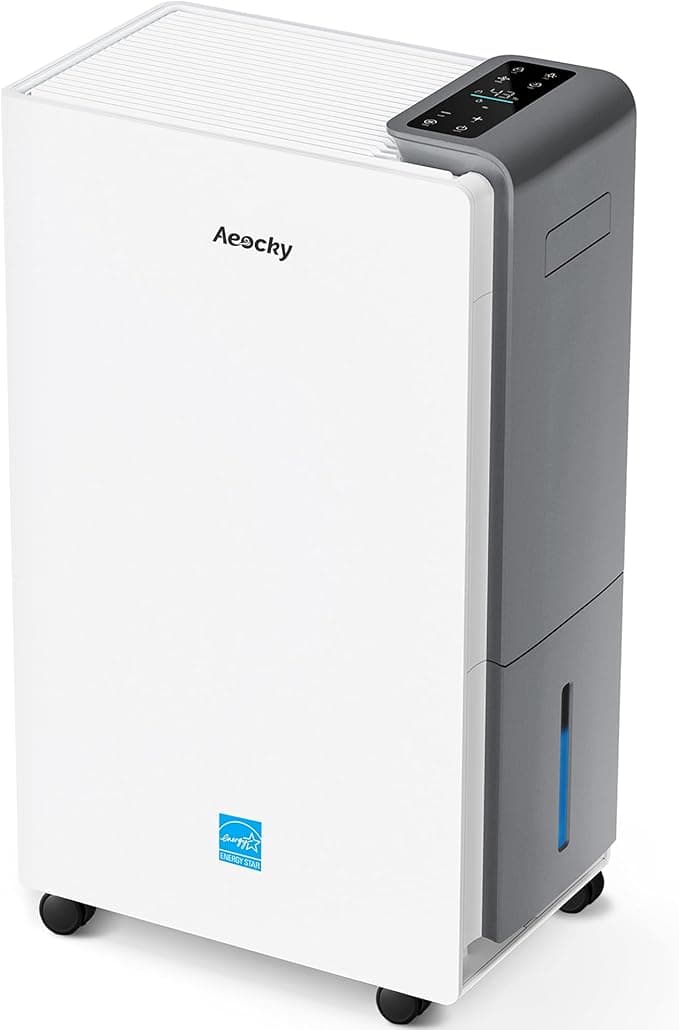
Energy efficiency directly impacts your monthly bills. Energy Star certified units like the KeepGlad 5,000 Sq.Ft model use significantly less power while maintaining performance. Given that dehumidifiers often run continuously during humid months, this difference adds up quickly.
Temperature performance matters more than most realize. Basements stay cool year-round, and many cheaper dehumidifiers lose effectiveness below 65°F or frost over constantly. Look for units with auto-defrost features and low-temperature operation if you're dealing with basement moisture.
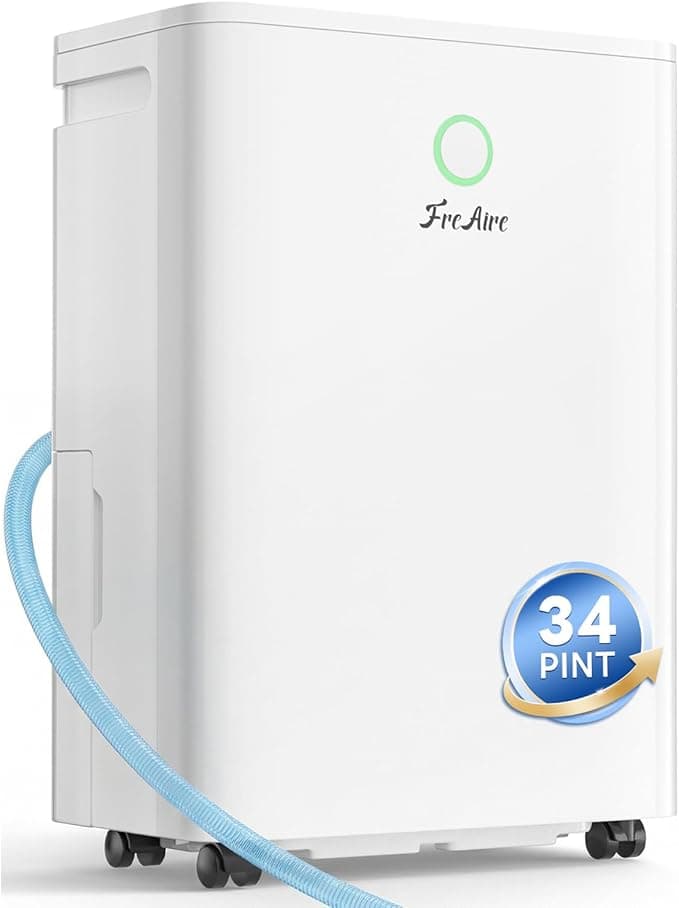
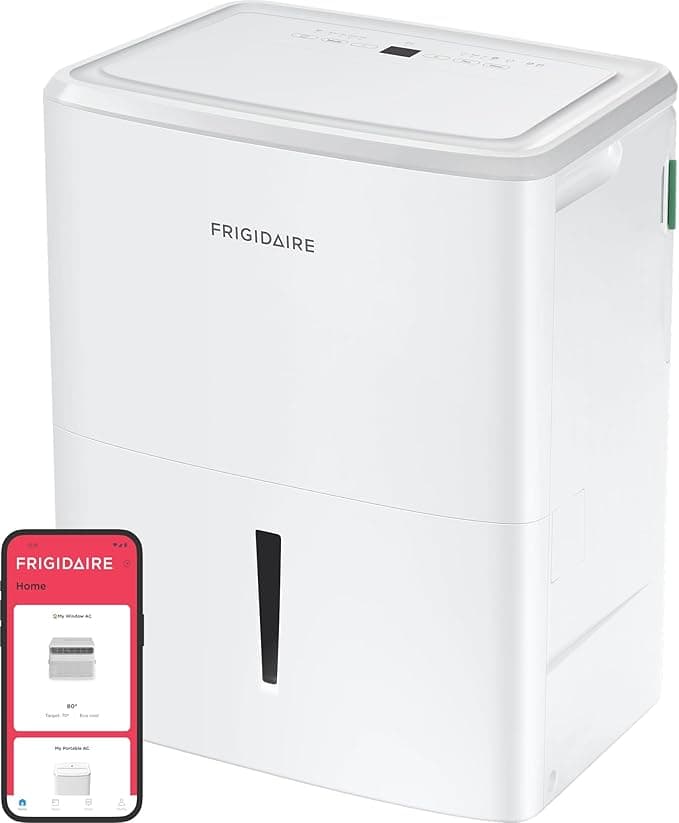
Noise levels can make or break bedroom placement. Manufacturers rarely advertise decibel ratings prominently, but models designed for quiet operation like the FreAire 2500Sq.Ft Dehumidifier prioritize sound dampening without sacrificing moisture removal.
Common Buyer Mistakes
The biggest mistake? Undersizing for your space because you focused on price over performance. A unit that's too small runs constantly without achieving target humidity levels, wasting energy and wearing out faster. Conversely, massively oversizing creates short cycling issues and uneven moisture control.
Another trap: ignoring smart features that actually matter. Auto-humidistats that maintain precise humidity levels and auto-shutoff when tanks fill prevent both over-drying and overflow disasters.
How We Score These Units
Our rankings combine real-world performance data, verified customer feedback, energy efficiency ratings, feature completeness, and current market value. We weight reliability and effectiveness heavily because a dehumidifier that breaks down during peak humidity season defeats the entire purpose.
Below, you'll find our top-ranked dehumidifiers for 2026, from budget-conscious picks that handle typical moisture problems to premium units that tackle serious basement flooding recovery.