Best Electric Toothbrushes of 2026
Your manual toothbrush isn't cutting it anymore. Maybe your dentist dropped hints about "more thorough cleaning," or you're tired of wondering if two minutes of brushing actually removes plaque effectively. Whatever brought you here, you're smart to consider upgrading—electric toothbrushes genuinely deliver superior cleaning compared to manual brushing.
The challenge? Electric toothbrush marketing is full of confusing jargon and inflated claims. Here's what actually matters when choosing your next electric toothbrush.
Cleaning Technology: Sonic vs. Oscillating
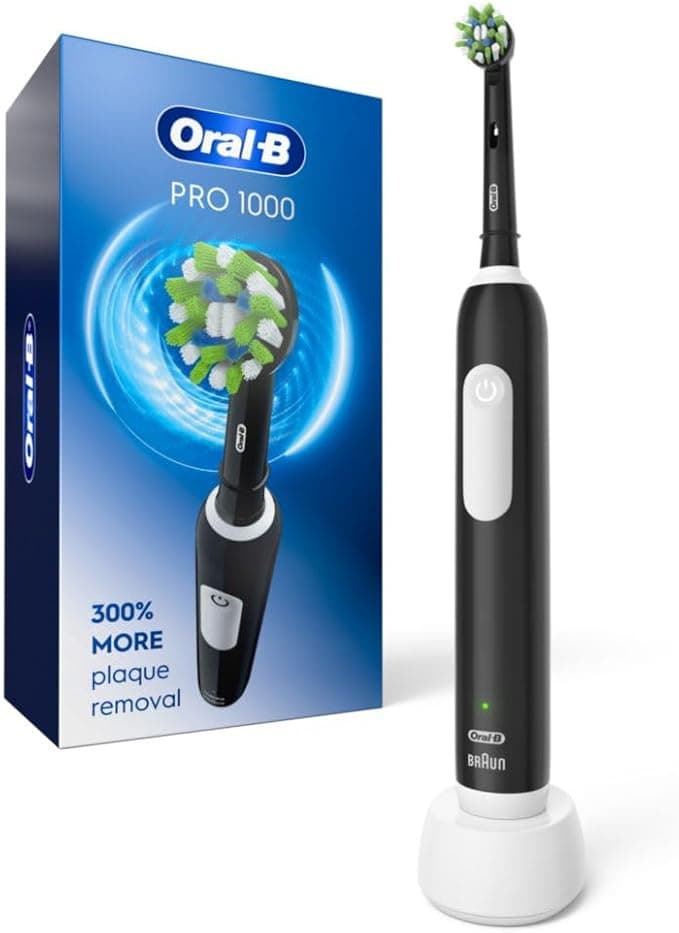
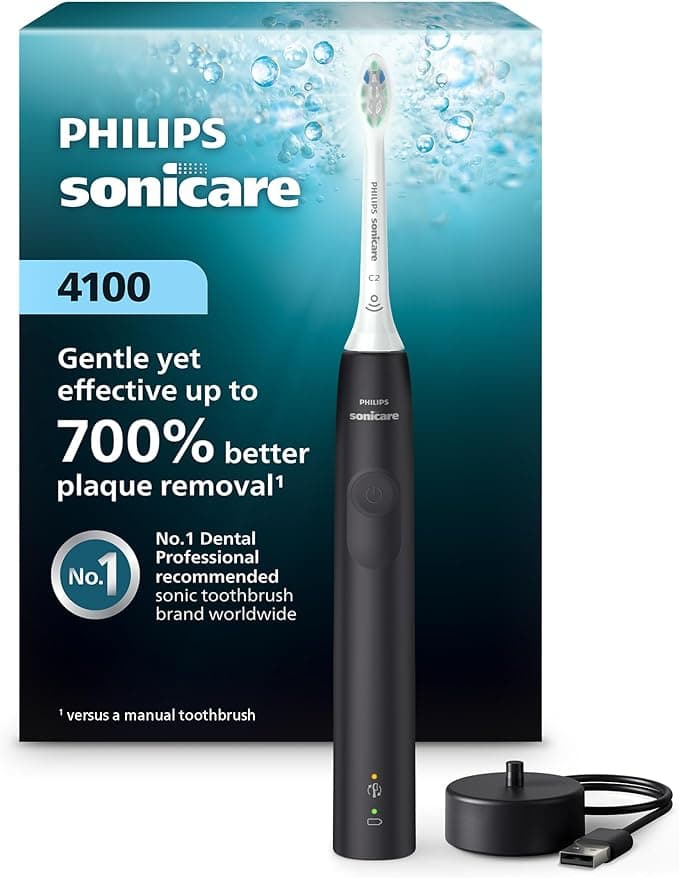
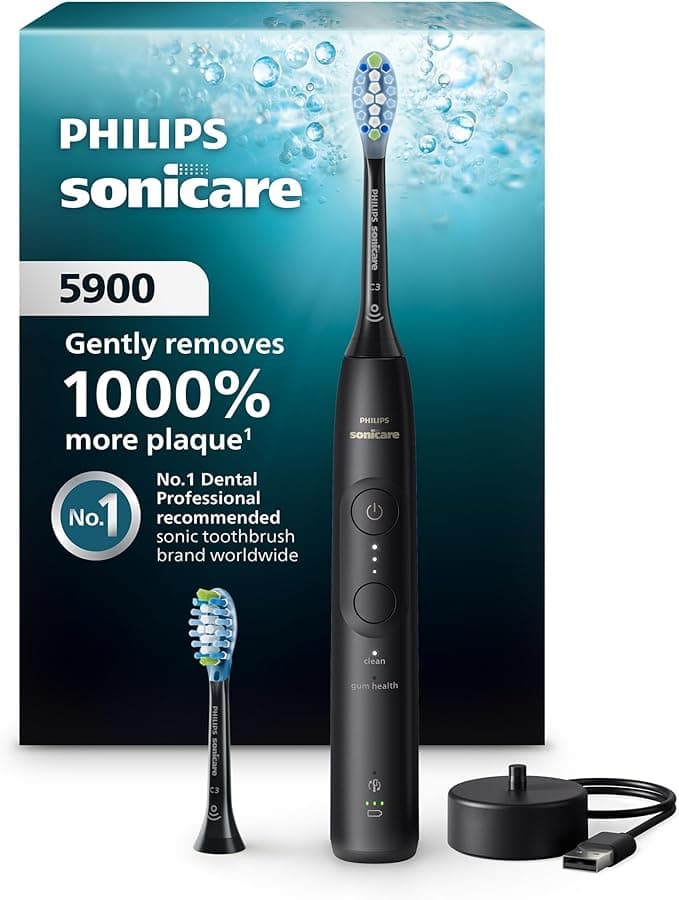
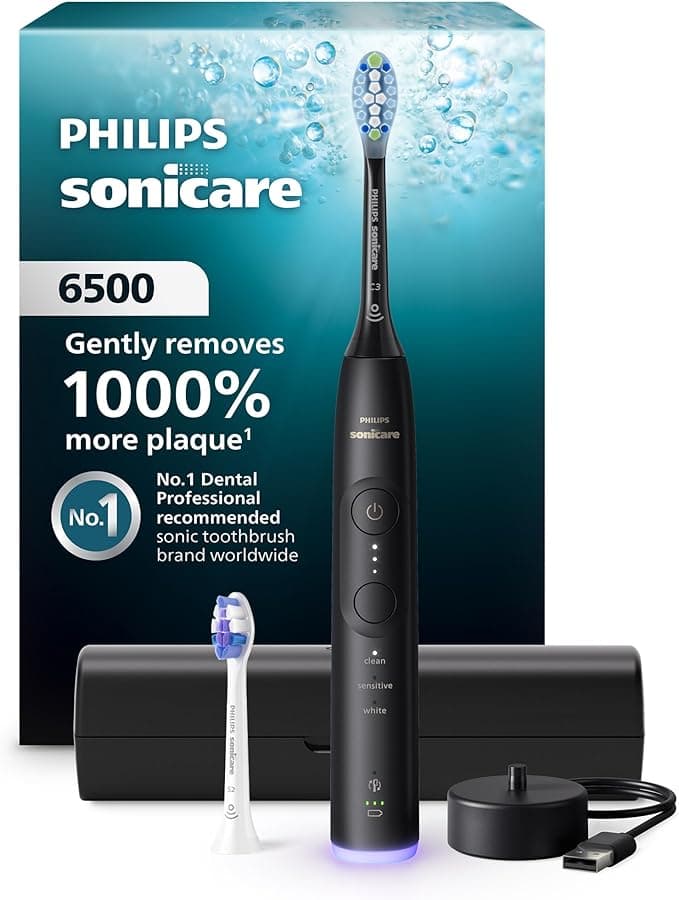
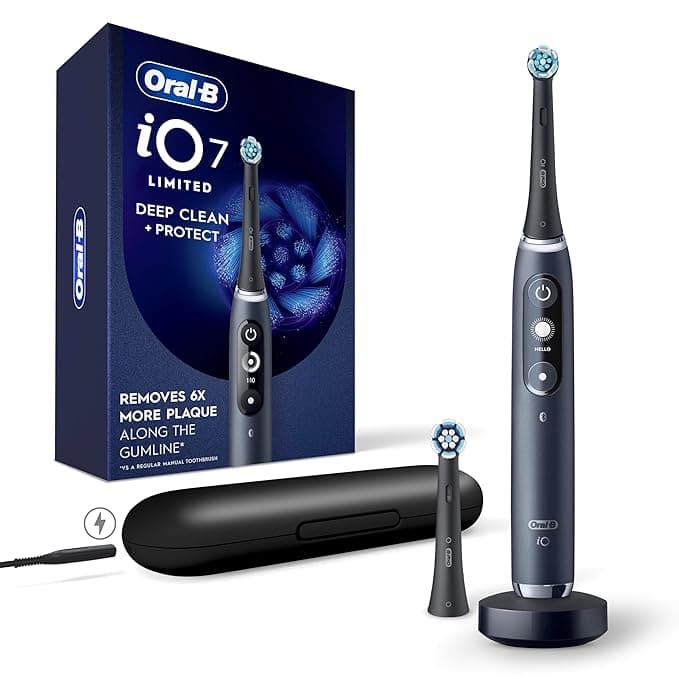
You'll encounter two main technologies. Oscillating brushes (like the Oral-B Pro 1000) use small, round heads that rotate and pulsate to physically scrub teeth. Sonic brushes (like the Philips Sonicare 4100 Series) vibrate at high frequencies, creating fluid dynamics that clean between teeth and along the gumline.
Both work excellently—it's more about personal preference. Oscillating feels more like traditional brushing, while sonic creates a buzzing sensation some people love or hate.
Battery Life and Charging
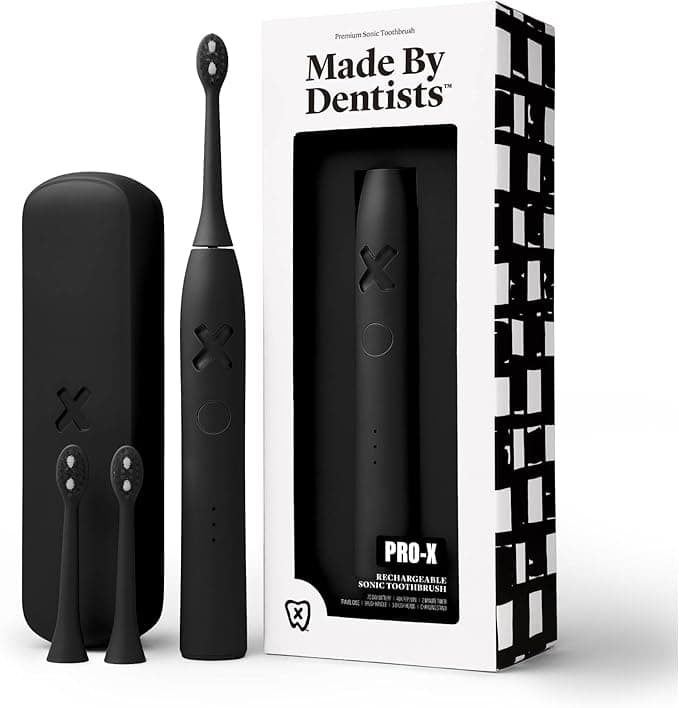
Don't get swayed by "30-day battery life" claims—these assume one person using the brush once daily. For realistic household use, look for at least 2-3 weeks of battery life. Models like the Made by Dentists PRO-X Sonic advertise impressive 70-day battery life, though real-world performance varies.
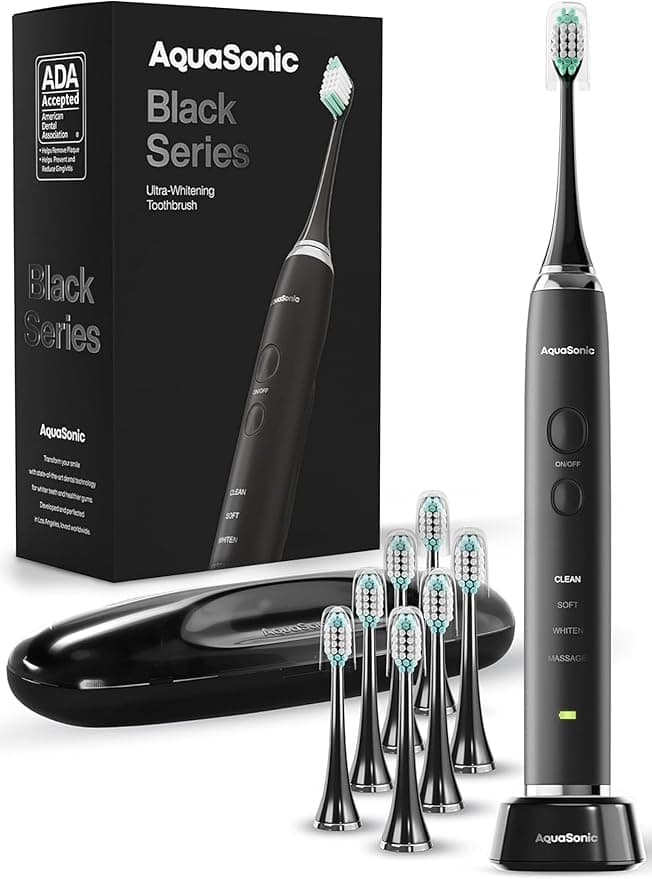
Wireless charging is convenient but not essential. The Aquasonic Black Series Ultra Whitening Toothbrush includes this feature at just $29.95, proving premium features don't require premium prices.
Pressure Sensors and Gum Protection
This is where electric toothbrushes truly shine over manual ones. Pressure sensors alert you when you're brushing too hard—crucial for preventing gum recession and enamel damage. Even budget models like the Philips Sonicare 4100 Series include this feature.
Skip brushes without pressure sensors unless budget is absolutely paramount.
Smart Features: Helpful or Hype?
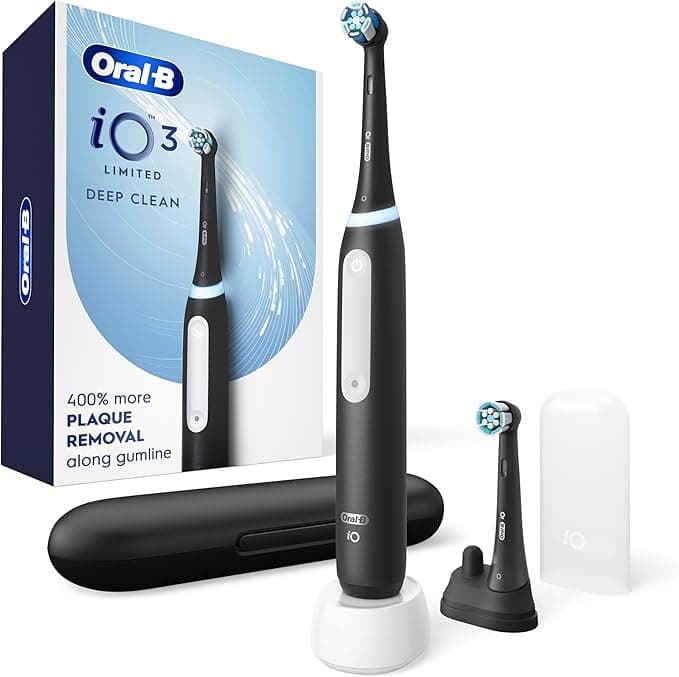
App connectivity, AI coaching, and progress tracking sound impressive but ask yourself: will you actually use them? Many people find timers and pressure sensors sufficient. The Oral-B iO3 offers smart features at a reasonable $109.99, but simpler models often provide 90% of the cleaning benefit.
Brush Head Costs: The Hidden Expense
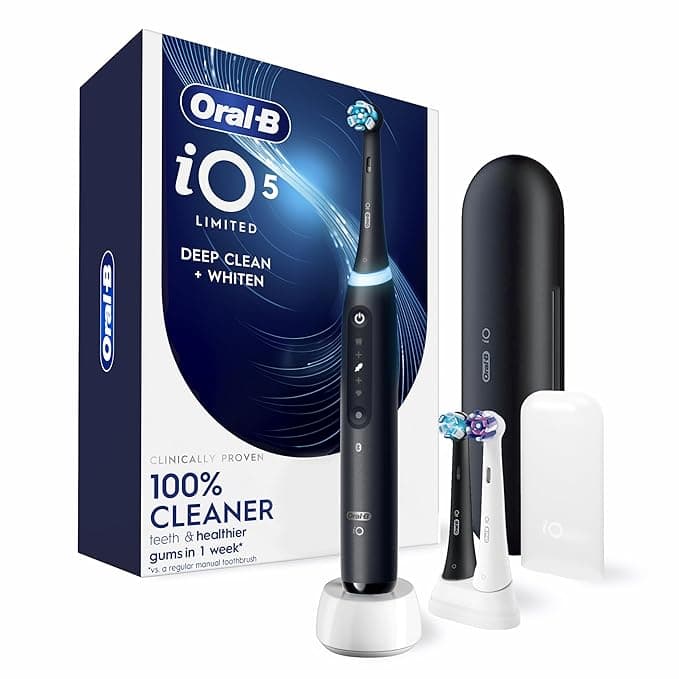
This is where manufacturers get you. Replacement heads cost $3-8 each and should be changed every 3-4 months. Before buying, research replacement head availability and pricing. Proprietary heads from premium lines like Oral-B's iO series can cost significantly more than standard heads.
Common Buying Mistakes
Many buyers obsess over vibration speeds (30,000 vs. 40,000 VPM) when technique and consistency matter more. Others assume expensive equals better—our testing shows the budget-friendly Aquasonic Black Series outperforms brushes costing 5x more.
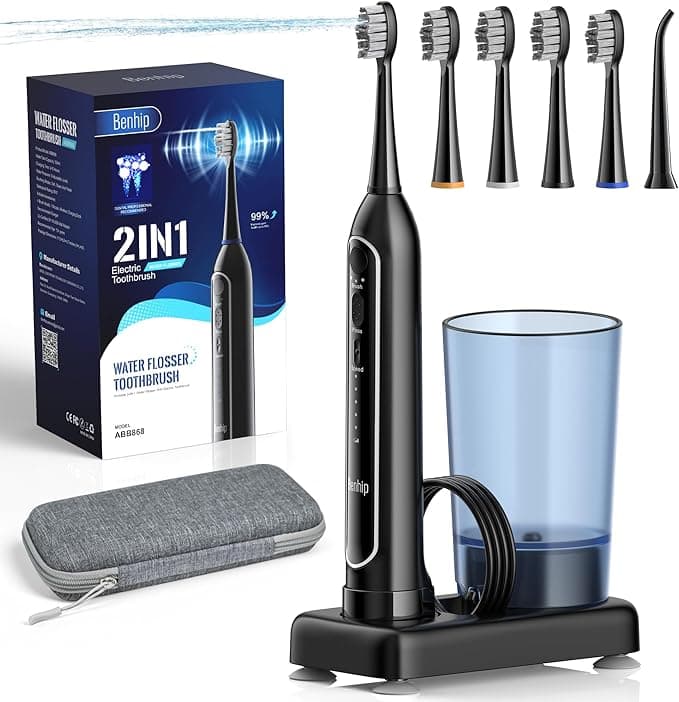
Don't overlook travel cases if you travel frequently, and avoid combination devices like toothbrush/water flosser combos unless space is extremely limited—dedicated devices typically perform better.
Our Testing Methodology
We evaluate electric toothbrushes using a weighted composite score considering cleaning effectiveness, build quality, battery performance, feature value, user reviews, and long-term costs. This approach identified clear winners across different price points and use cases.
Ready to find your perfect electric toothbrush? Our detailed rankings below break down the top 10 models of 2026, from budget champions to premium powerhouses.