The Best Robot Vacuums of 2026: Finally, Floors That Clean Themselves
You're tired of dragging out the vacuum every few days, dodging around furniture legs, and somehow always missing that one stubborn dust bunny under the couch. Robot vacuums have evolved from novelty gadgets to genuinely capable cleaning machines, and 2026's lineup delivers features that actually work.
Navigation: LiDAR vs Camera-Based Systems
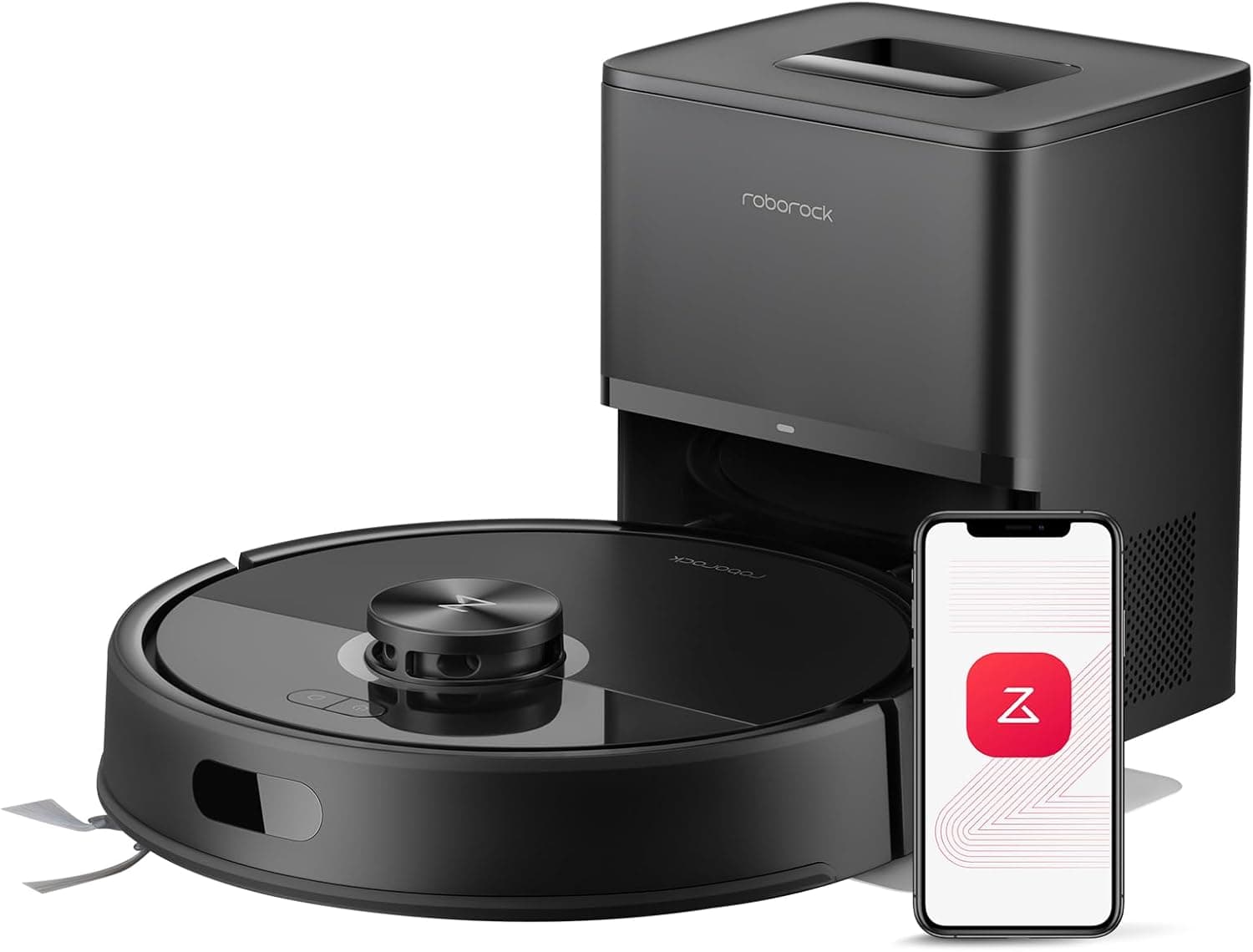
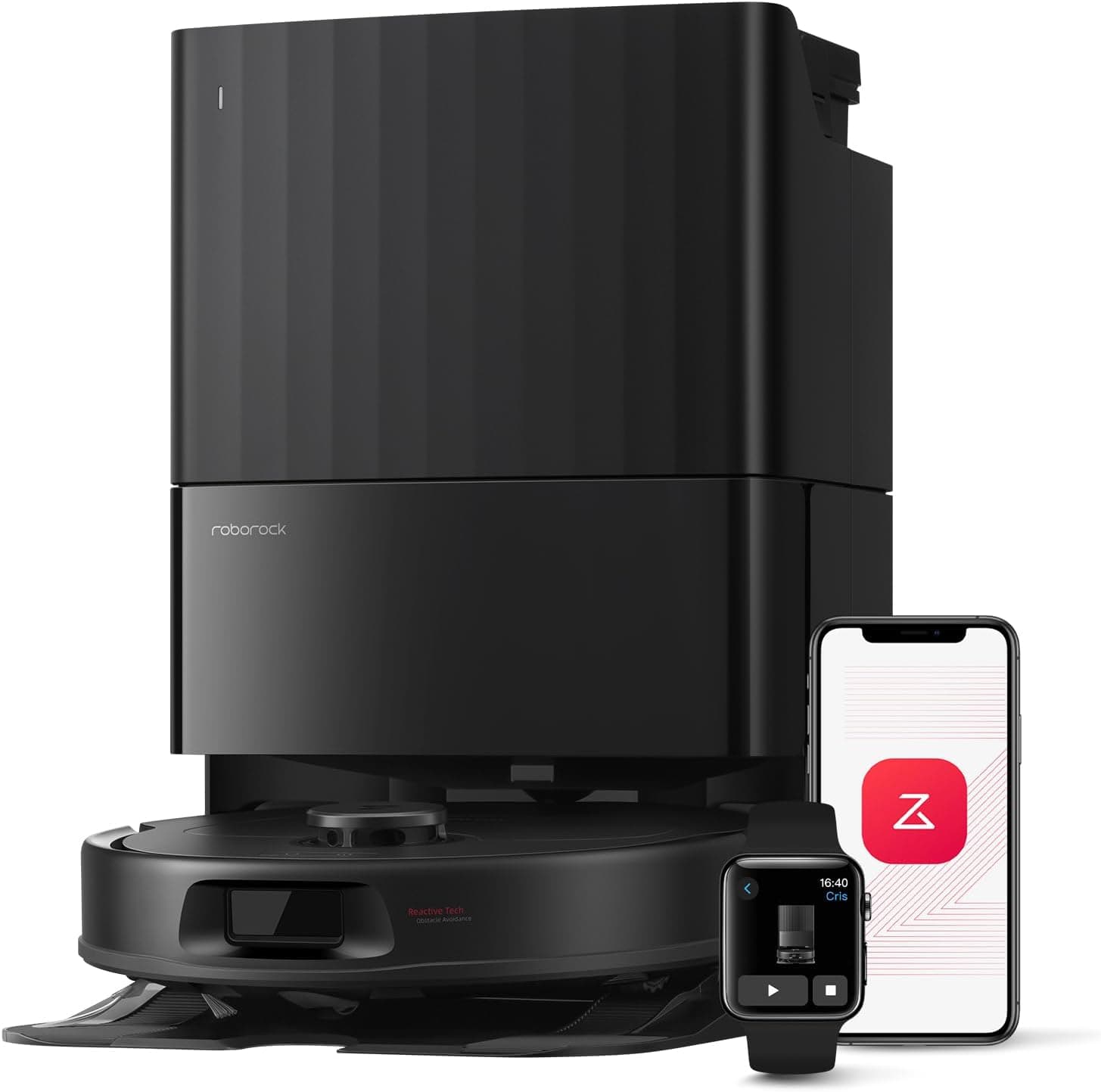
The brain of your robot vacuum determines whether it methodically cleans your home or bumps around like a drunk roommate. LiDAR navigation uses laser mapping to create precise floor plans and clean in efficient patterns. Models like the roborock Q7 M5+ use LiDAR to navigate in straight lines and remember your home's layout between cleaning sessions.
Camera-based systems are cheaper but less reliable in low light. They work fine for simple floor plans, but you'll notice more random movements and missed spots.
Suction Power: Pa Ratings That Actually Matter
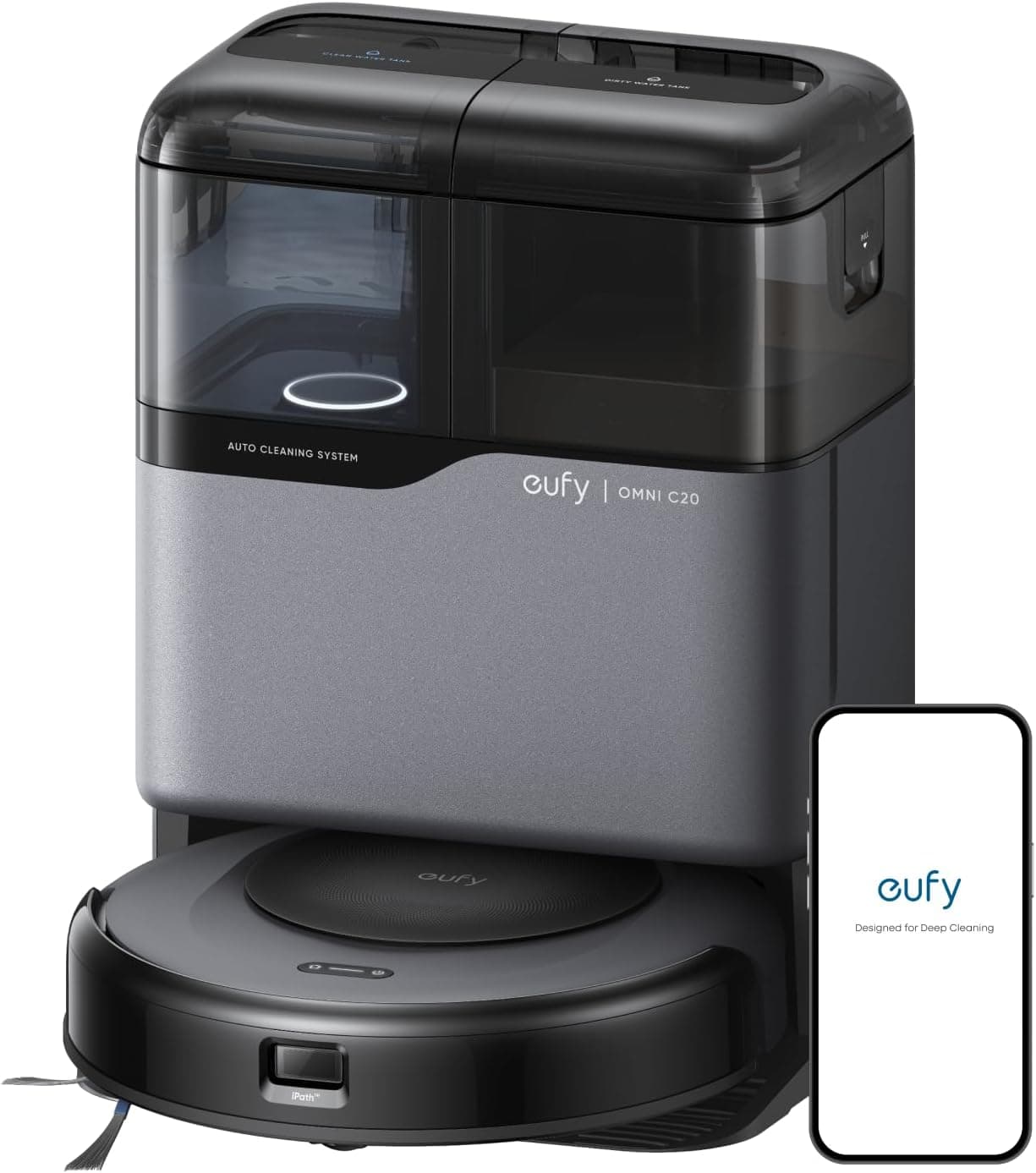
Suction is measured in Pascals (Pa), and manufacturers love throwing around big numbers. Here's the reality: 2,000-4,000 Pa handles most debris on hard floors, while thick carpets need 8,000+ Pa. The eufy Robot Vacuum Omni C20 delivers 7,000 Pa, which hits that sweet spot for mixed flooring.
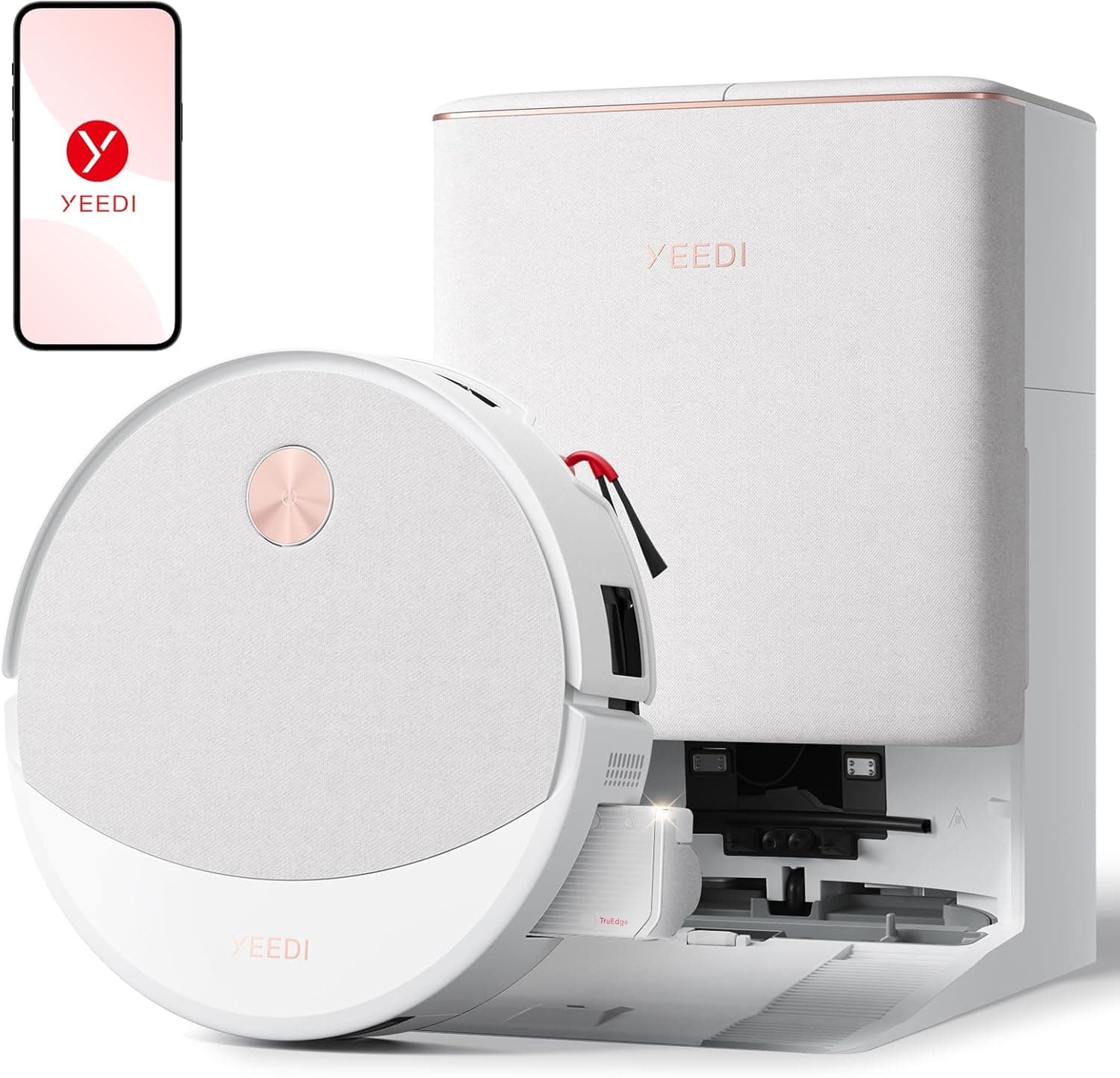
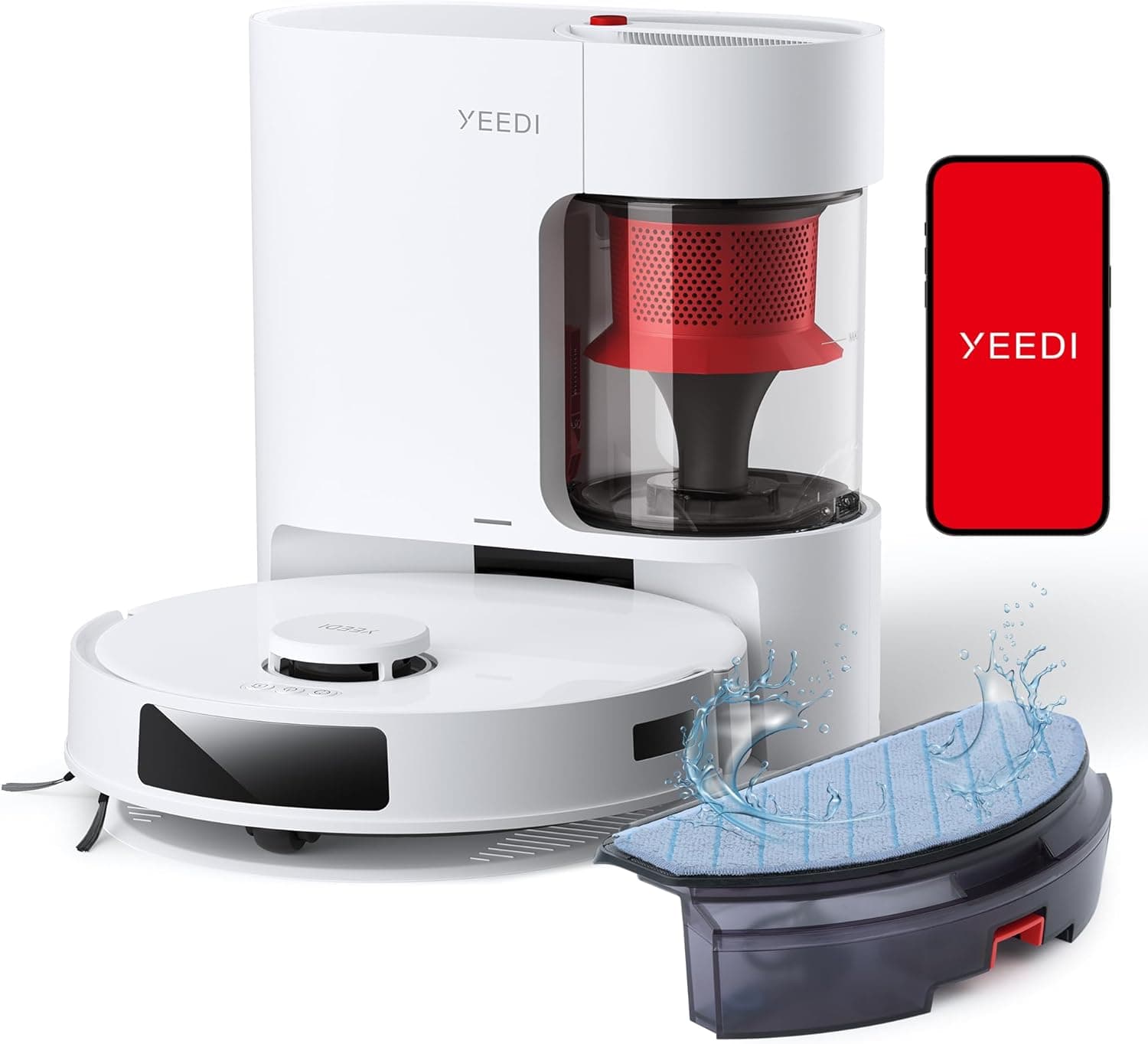
Don't fall for the "more Pa is always better" trap. The Yeedi M16 Infinity boasts 30,000 Pa, but that extreme suction can actually scatter lightweight debris or get stuck on area rugs.
Self-Emptying: Your Back Will Thank You
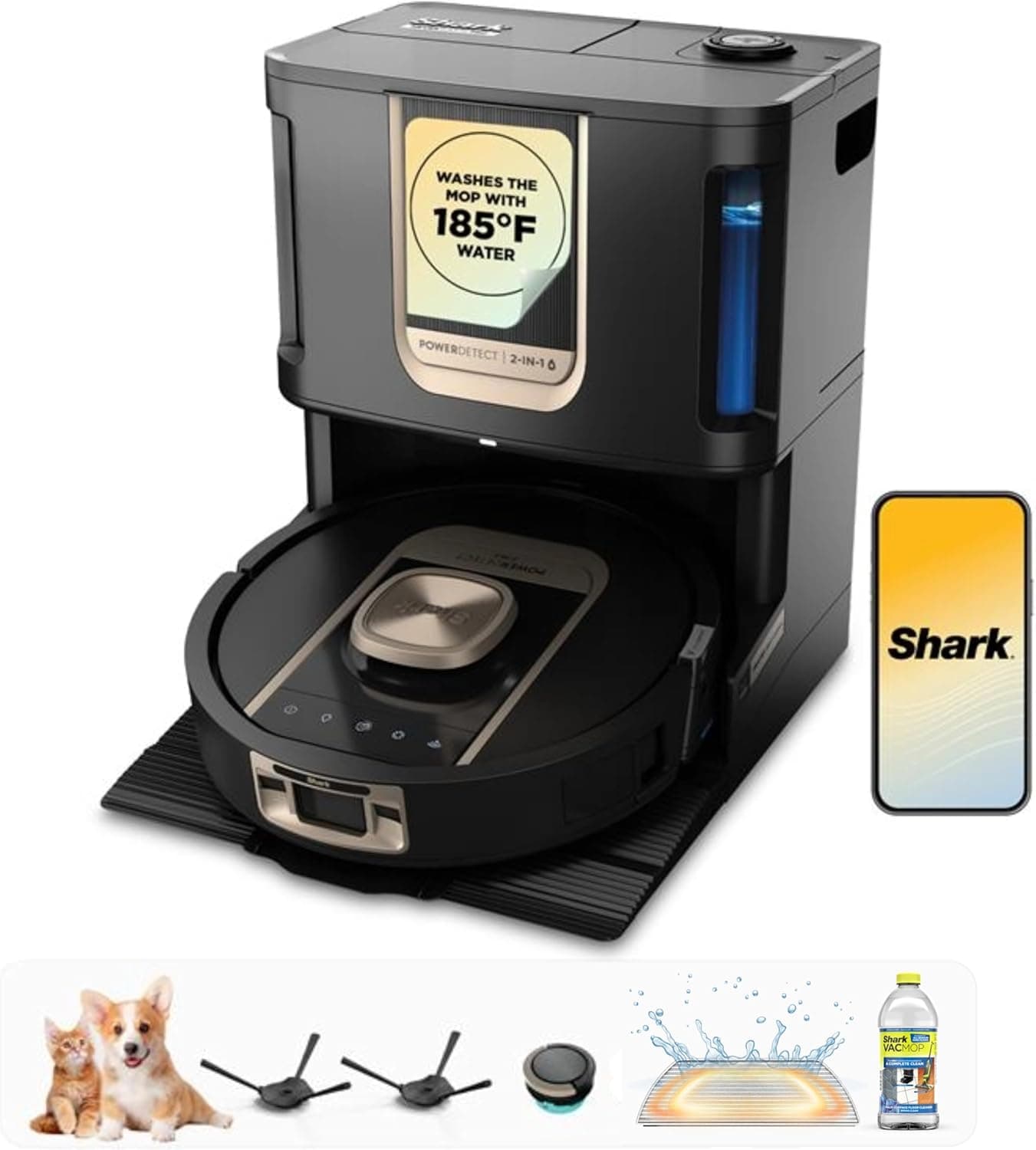
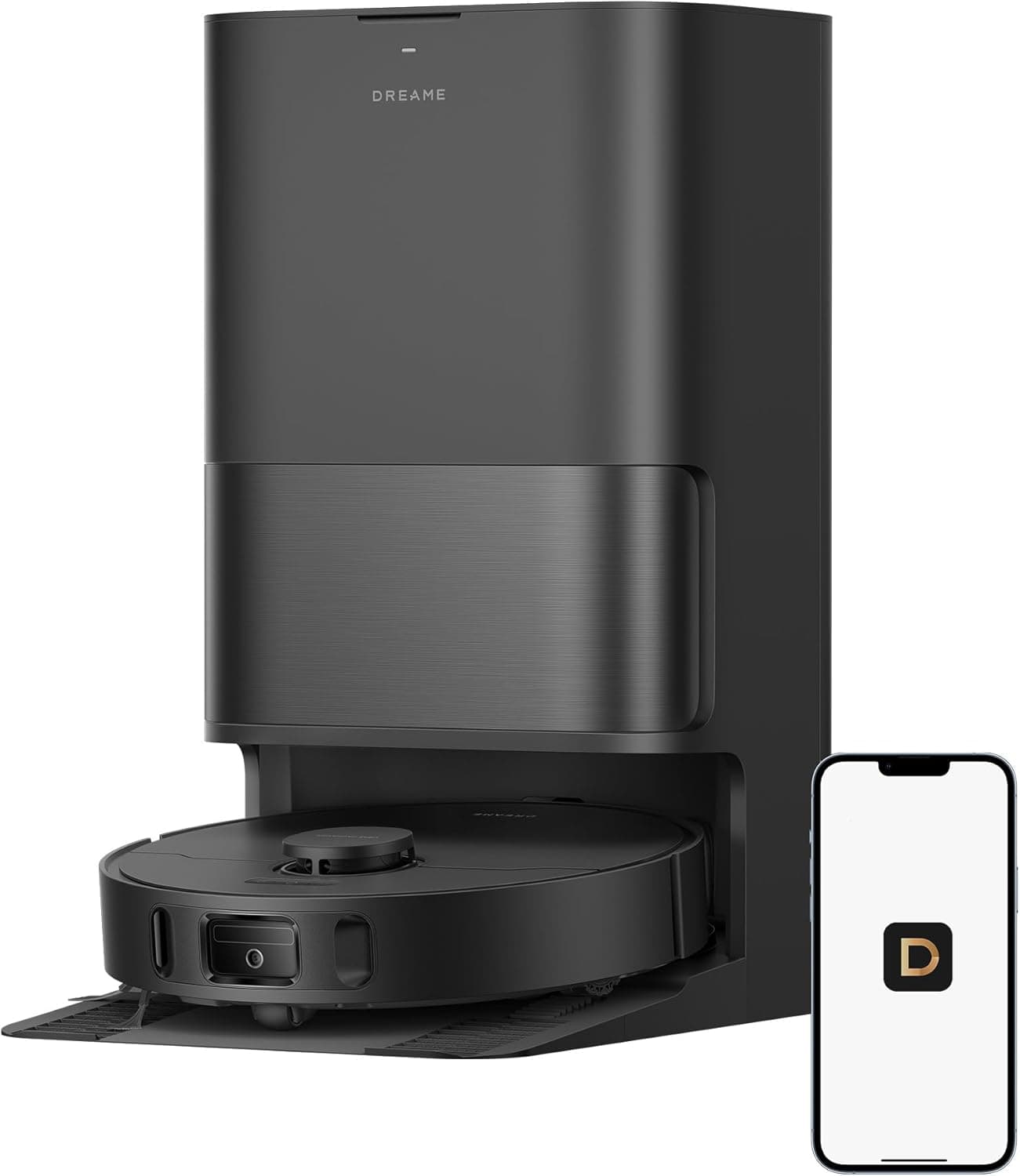
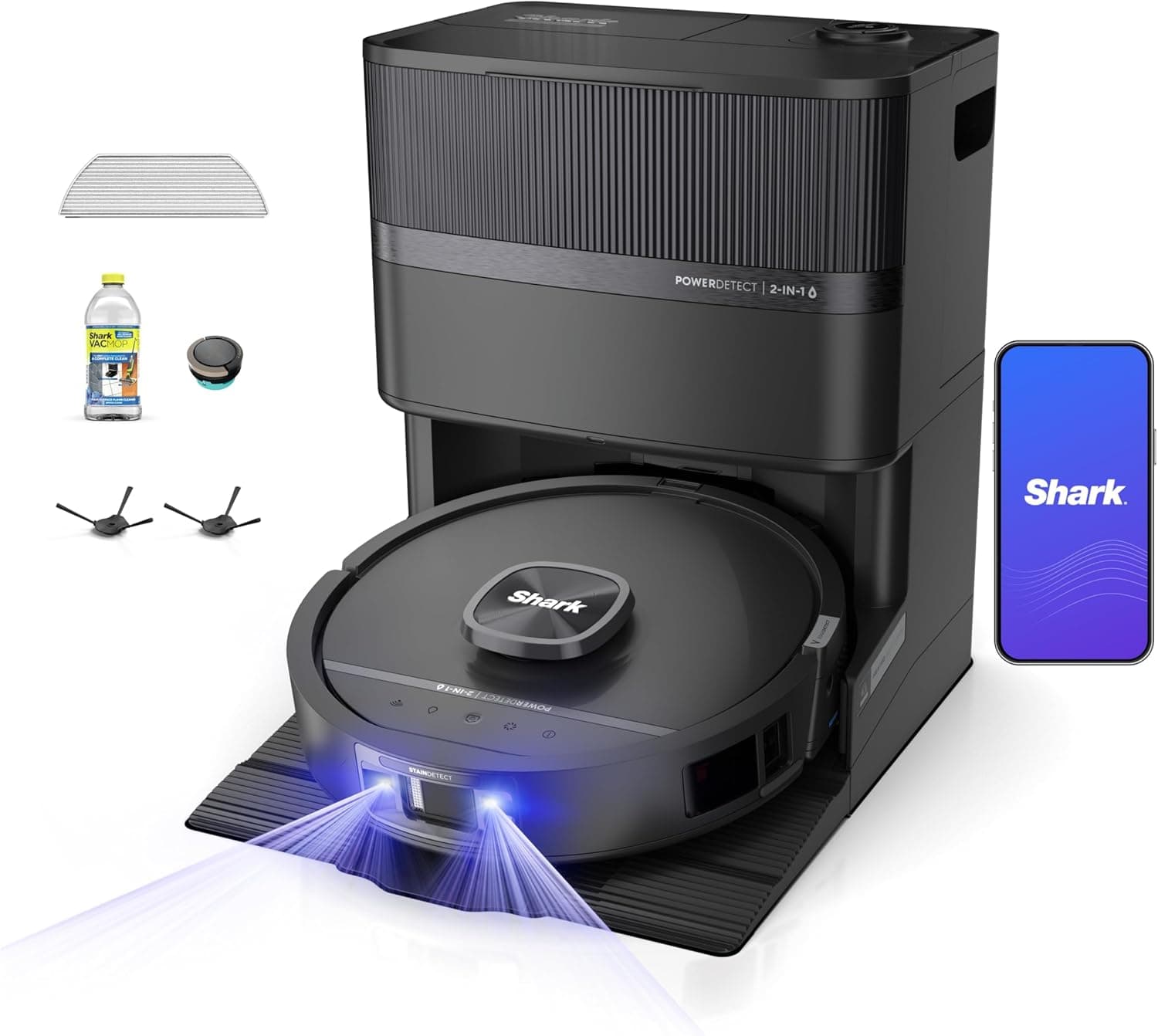
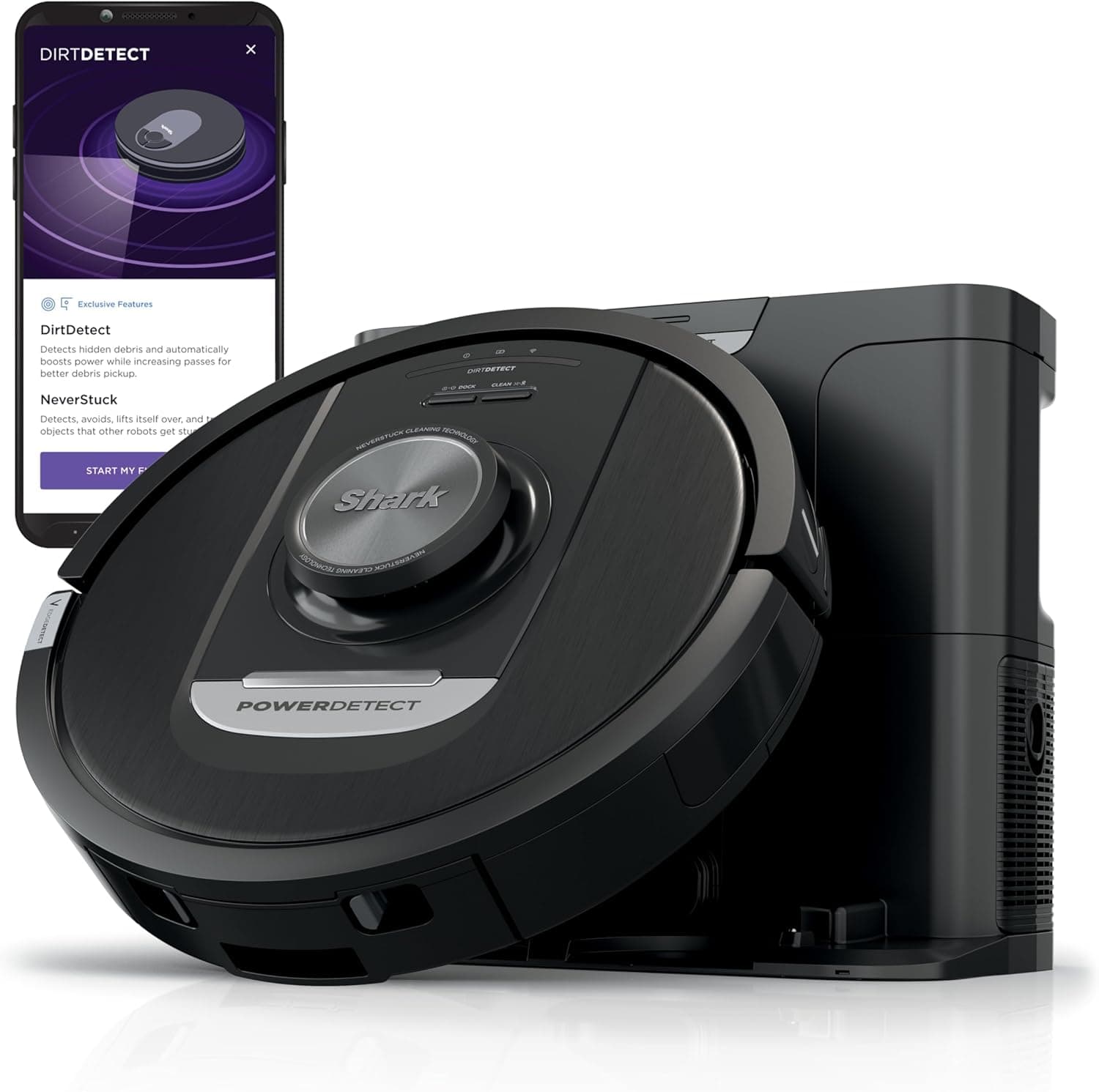
Self-emptying bases automatically suck debris from the robot into a larger bag or bin. The Shark PowerDetect Self-Empty Robot Vacuum holds 30 days of dirt, while premium models like the DREAME D30 Ultra claim 100-day capacity.
The catch? Bagless systems need regular filter cleaning, and bagged systems require replacement bags. Factor these ongoing costs into your budget.
Mopping: More Than Just Dragging Water Around
Basic mopping robots just drag a damp cloth behind them. Better models have spinning mops, water tank controls, and self-cleaning stations. The Shark Robot Vacuum & Mop Combo PowerDetect includes heated mop cleaning, which actually removes stuck-on grime instead of spreading it around.
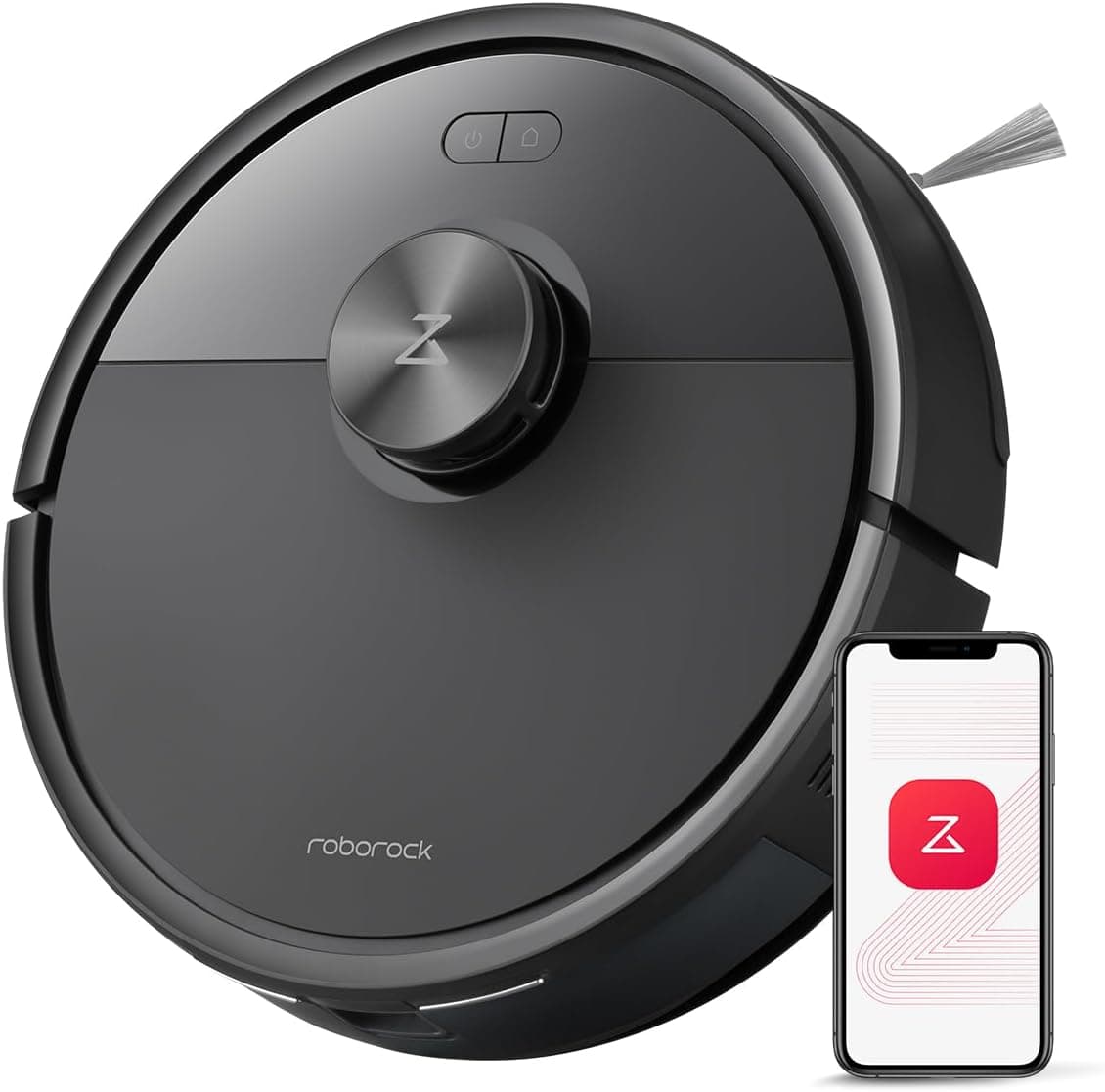
Skip combo units if you have mostly carpet—dedicated vacuum-only models like the roborock Q7 M5 at $149.99 often perform better for less money.
Smart Integration and Noise Levels
Most 2026 models connect to WiFi for app control and voice commands. Look for scheduling flexibility, no-go zones, and room-specific cleaning. Noise levels range from whisper-quiet 50dB to vacuum-loud 70dB—important if you're running cleaning cycles while working from home.
Common Buyer Mistakes
Don't assume the most expensive model is best for your home. The budget-friendly Yeedi C12 Plus at $189.99 might handle your needs perfectly. Also, measure your furniture clearance—some "ultra-slim" robots are still too tall for low-profile sofas.
How We Scored These Robot Vacuums
Our rankings use a weighted composite score considering customer ratings, value proposition, review volume, feature set, and product recency. We prioritize real-world performance over marketing claims.
Below, you'll find our top 10 robot vacuums of 2026, ranked by overall score and tested across different home scenarios.
 -40%
-40%