Why Your Kitchen Oven Just Won't Cut It for Real Pizza
You've mastered sourdough, nailed homemade pasta, and can roast a chicken blindfolded. But every time you slide that carefully crafted pizza into your home oven's measly 500°F heat, you get the same disappointing result: a pale, chewy crust that tastes more like fancy flatbread than authentic Neapolitan pizza. The problem isn't your dough recipe or technique—it's physics. True pizza magic happens between 700-950°F, temperatures that would literally melt your kitchen oven's insulation.
Outdoor pizza ovens bridge this gap, delivering restaurant-grade heat that transforms pizza in 60-90 seconds. But with options ranging from budget-friendly units to premium investment pieces, choosing the right one requires understanding what actually matters.
What to Look for in a Pizza Oven
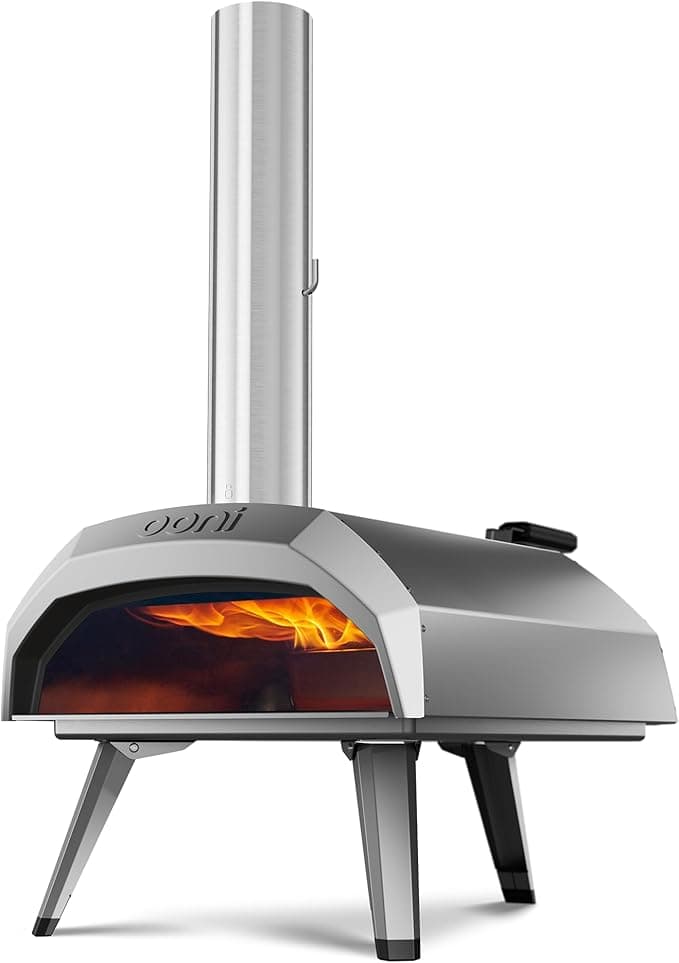
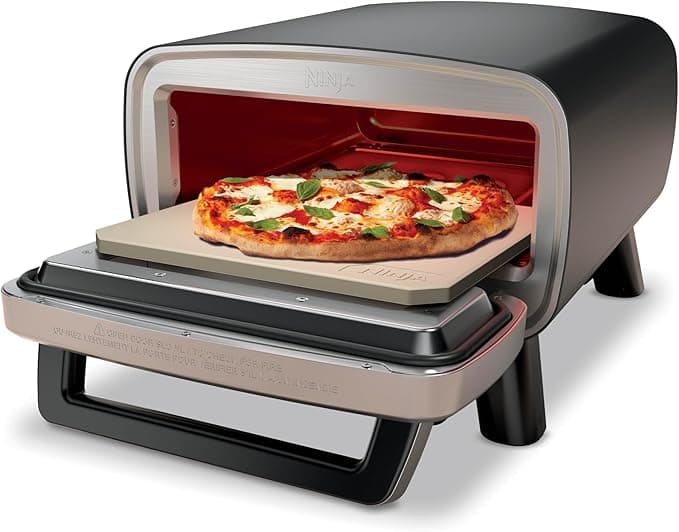
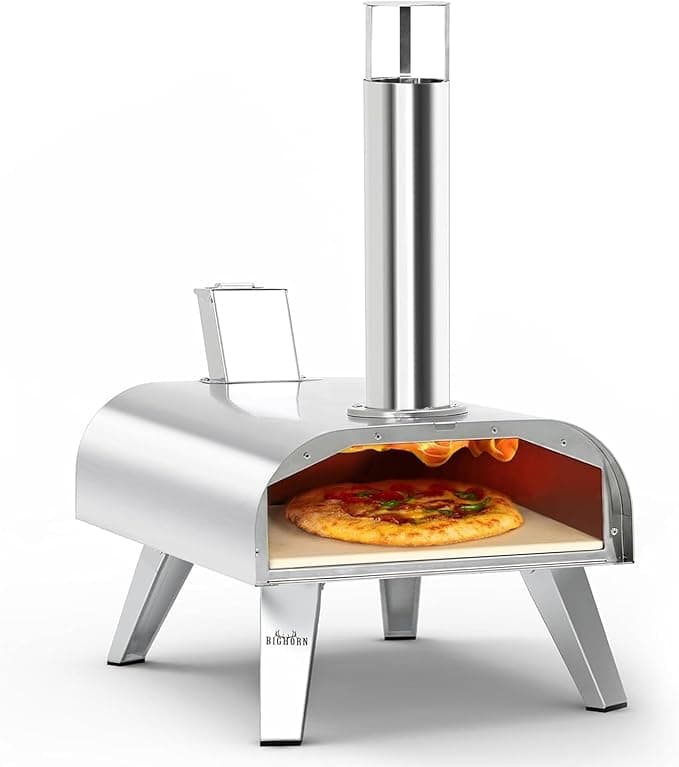
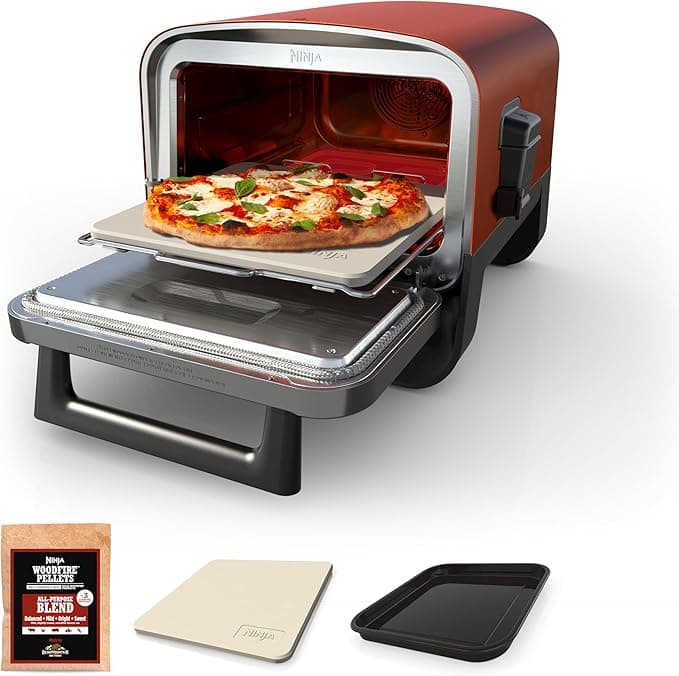
Peak Temperature Capability is your most critical spec. Anything below 850°F struggles to achieve that signature leoparded crust with its distinctive charred spots. Models like the BIG HORN 12" Multi-Fuel Outdoor Pizza Oven and Ooni Karu 12 both reach the Neapolitan sweet spot, while some electric options like the Ninja Artisan Electric Outdoor Pizza Oven hit 700°F—hot enough for excellent results, just not traditional style.
Fuel type shapes your entire cooking experience. Gas-only ovens offer foolproof consistency and quick startup—perfect if you want pizza without the ceremony. Wood-fired purists swear by the smoky complexity only real flames provide. Multi-fuel models like the Ooni Karu 12 split the difference, letting you burn wood for flavor or swap in a gas burner for convenience.
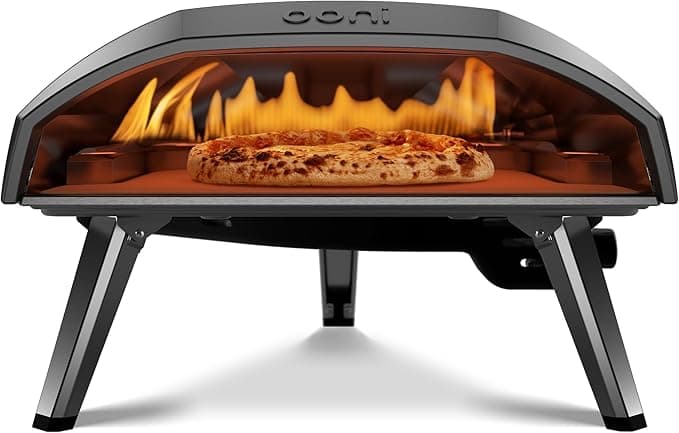
Cooking surface size determines what you can actually make. Twelve-inch ovens are easier to maneuver and store, but limit you to personal-sized pies. Sixteen-inch models like the Ooni Koda 16 accommodate larger pizzas and double as roasting ovens for vegetables or bread.
Stone material and thickness directly impact cooking performance. Cordierite stones handle thermal shock better than cheap alternatives, while thicker stones recover heat faster between consecutive bakes—crucial if you're feeding a crowd.
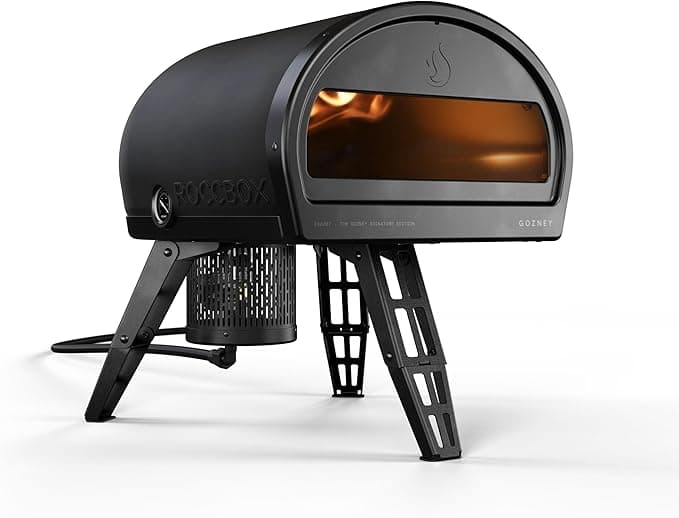
Heat retention separates occasional-use models from serious cooking tools. Double-wall insulated construction holds temperature longer, meaning less fuel consumption and more consistent results. The Gozney Roccbox exemplifies this premium approach with restaurant-grade insulation.
Common Buyer Mistakes
Many first-time buyers underestimate the learning curve. Even the most automated electric models require technique to launch pizzas without sticking or sliding toppings. Others obsess over maximum temperature while ignoring heat distribution—a 900°F oven with hot spots is less useful than an 800°F oven with even heating.
Portability assumptions also trip up buyers. "Portable" doesn't mean lightweight—most tabletop ovens weigh 20-40 pounds when you factor in the stone.
How We Evaluated These Ovens
We scored each model using a weighted composite of user ratings, feature completeness, value proposition, and review volume across major retailers. This data-driven approach identifies which ovens consistently deliver results for real home cooks, not just marketing promises.
The eight ovens below represent the best options across every budget and cooking style, from the competitively priced BIG HORN that earned top marks to premium models that justify their investment with superior performance.