You've outgrown basic dumbbells and barbells, but your home gym isn't ready for a full commercial cable setup. A home cable machine bridges that gap, bringing lat pulldowns, cable rows, face pulls, and dozens of functional movements into your personal training space. The question isn't whether cable work improves your routine — it's which machine delivers the versatility and durability you need without consuming your entire basement.
Weight Capacity: Stack vs. Plate-Loaded Systems
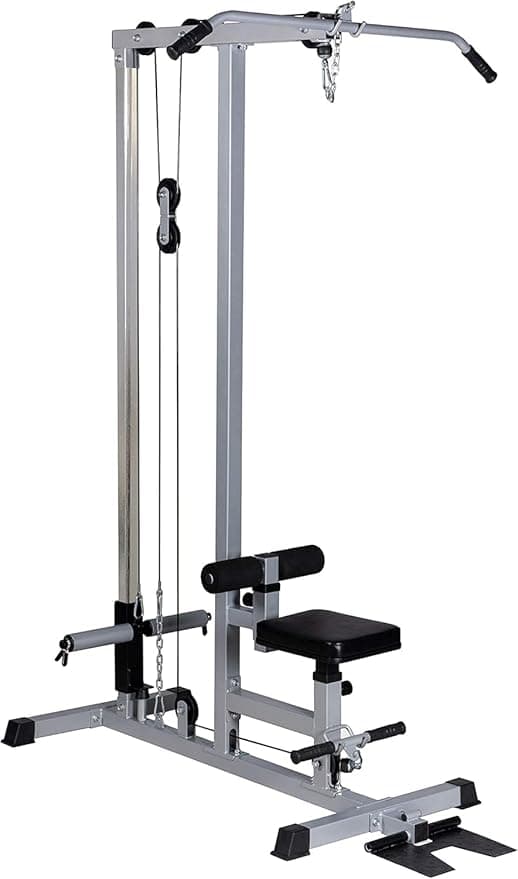
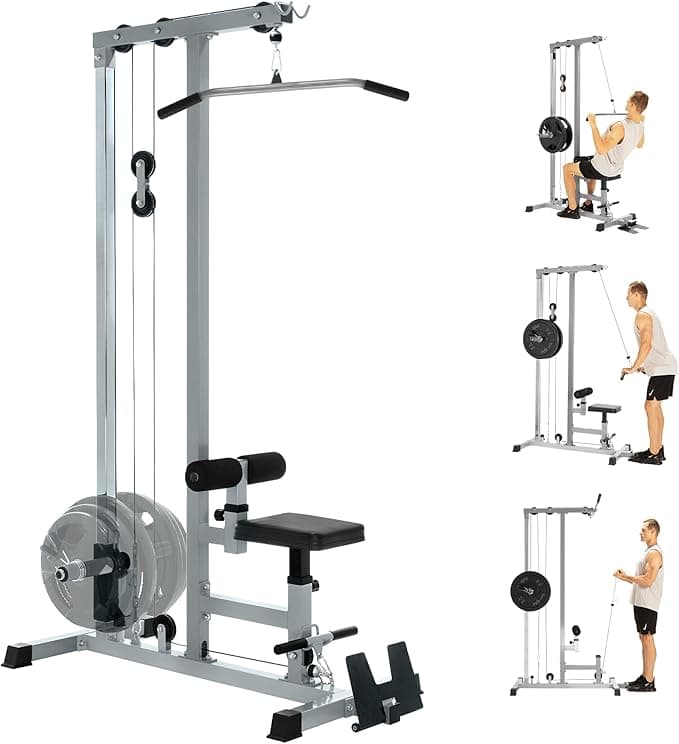
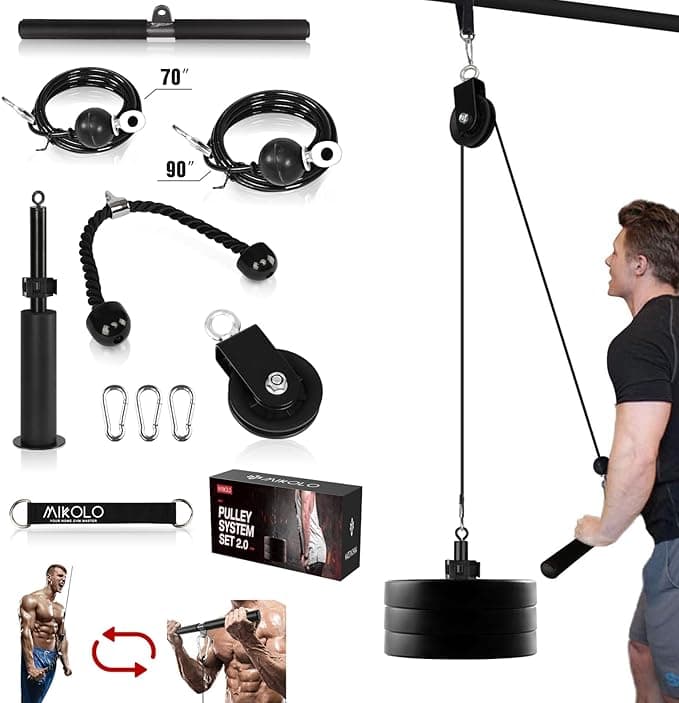
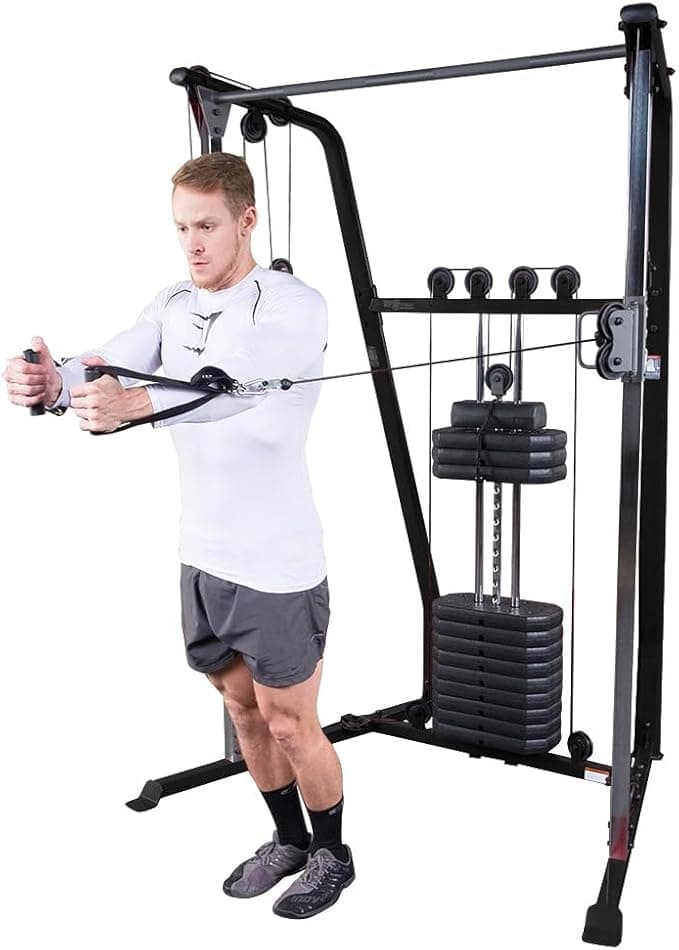
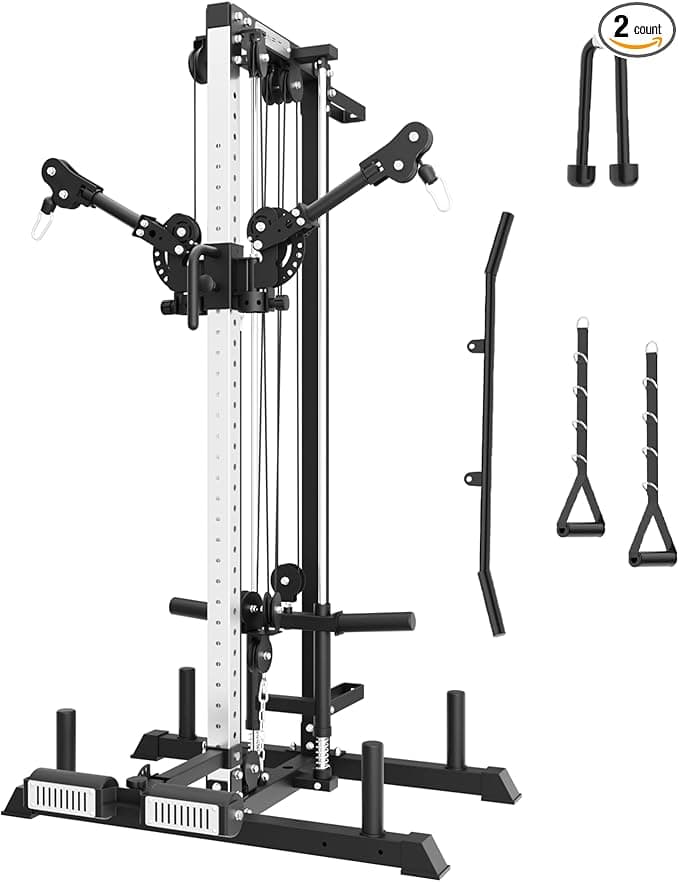
The first decision separates budget-conscious lifters from convenience seekers. Plate-loaded models like the Mikolo Fitness LAT and Lift Pulley System maximize value by using your existing weight plates, but require manual loading between exercises. Selectorized weight stacks, found in machines like the Body-Solid Best Fitness Functional Trainer, offer quick weight changes but limit you to the built-in resistance range — typically 150-200 pounds per stack.
Pulley Configuration: Single vs. Dual Systems
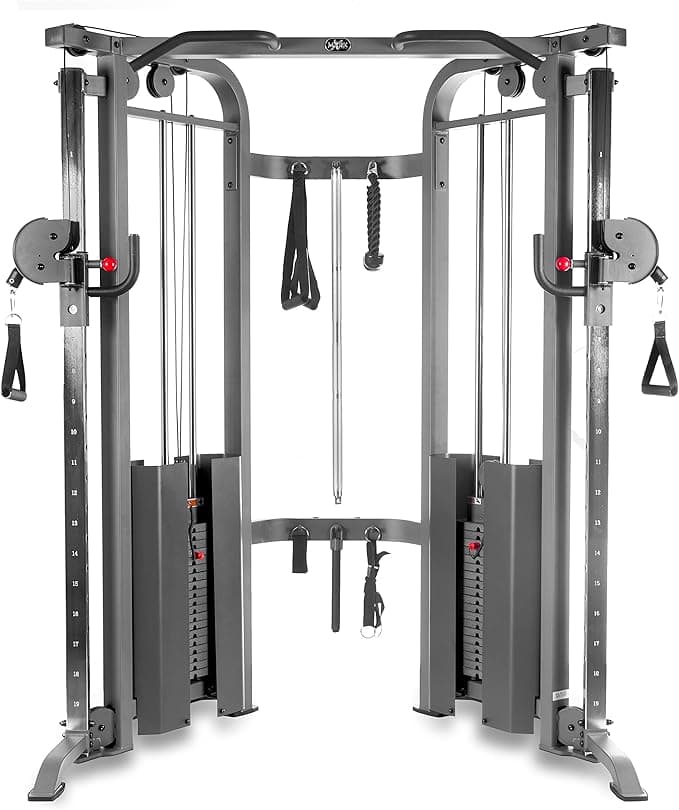
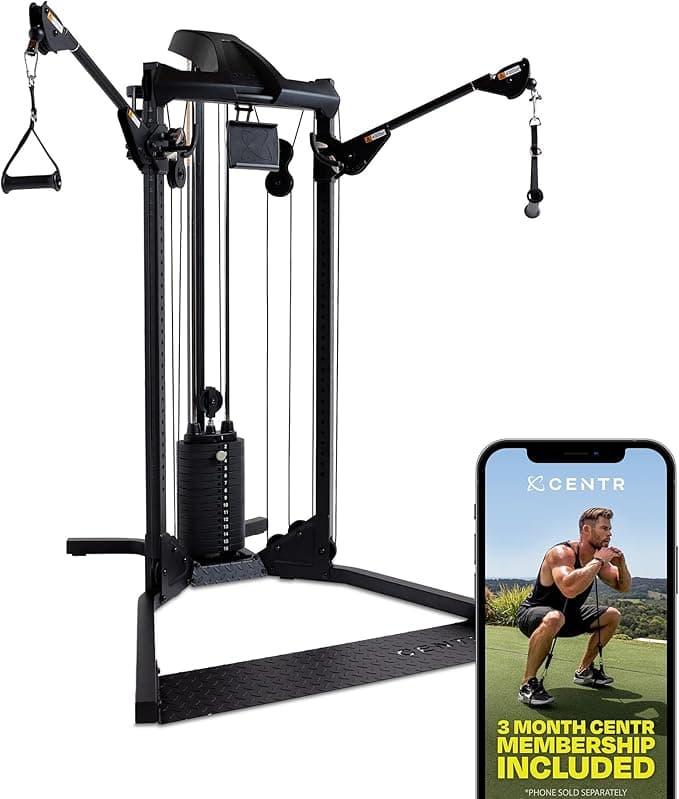
Single-pulley machines excel at traditional lat pulldowns and low rows but restrict functional training options. Dual-pulley systems like the XMARK Functional Trainer unlock crossover movements, unilateral training, and sport-specific patterns. Consider your training style: if you're focused on basic strength movements, a single high/low pulley setup saves money and space. If functional fitness and athletic training matter, dual adjustable pulleys become essential.
Pulley Ratio: Feel vs. Speed
This technical detail dramatically affects your lifting experience. A 1:1 ratio means 100 pounds feels like 100 pounds but moves slowly. A 2:1 ratio cuts the weight in half but doubles cable speed — 100 pounds feels like 50 but travels twice as far per rep. Most commercial gyms use 2:1 ratios for smoother movement, while 1:1 systems like those in basic lat pulldown machines provide heavier resistance with existing weight stacks.
Space Requirements: Ceiling Height Matters
Many buyers underestimate overhead clearance needs. Full-height functional trainers require 84+ inches of ceiling height for proper lat pulldown form. Wall-mounted options like the Eonfit E1 2.0 reduce floor footprint but still need adequate overhead space. Measure twice, order once — returning a seven-foot cable machine isn't fun.
Smart Features vs. Traditional Design
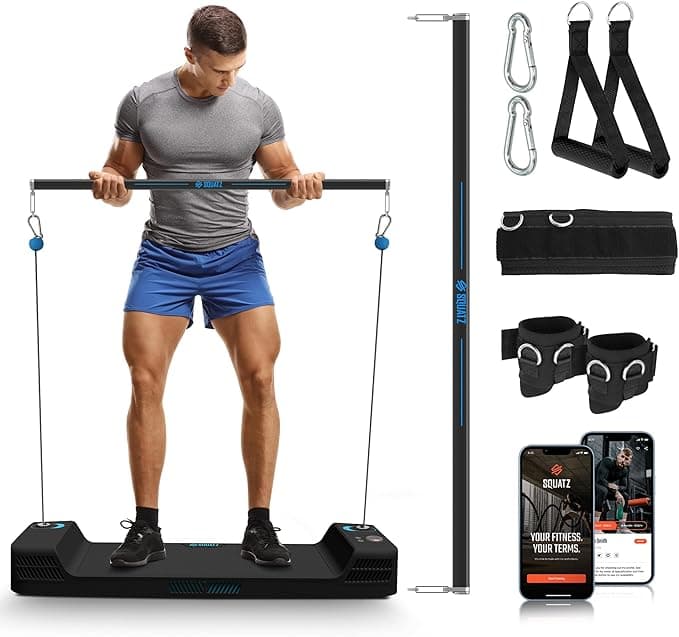
Digital cable machines offer app integration, automatic weight adjustment, and guided workouts, but at premium pricing. Traditional mechanical systems provide proven reliability and lower maintenance. Models like the SQUATZ Apollo Board Mini attempt to bridge both worlds, combining smart features with conventional cable mechanics.
Common Buying Mistakes
Don't assume more weight stacks equal better training. Two 100-pound stacks often provide more versatility than one 200-pound stack. Also, resist the temptation to choose based solely on included attachments — quality cable handles are inexpensive upgrades, but a wobbly frame ruins every exercise.
We evaluated these machines using a weighted composite of user ratings, feature completeness, build quality, and overall value. The results reveal clear winners across different budgets and training needs, from ultra-affordable plate-loaded systems to premium functional trainers ready for serious athletes.
Here are the top home cable machines that earned strong marks in our 2026 rankings: